

Agro-Climatic Resilience in Semi-Arid Landscapes (ACReSAL) is a World Bank-financed project designed to tackle the pressing issues of land degradation
The Nasarawa State Agro-Climatic Resilience in Semi-Arid Landscapes (ACReSAL) Project recently hosted the Federal Project Management Unit (FPMU) Impact Evaluation Team on a field visit to selected project communities in Akwanga Local Government Area of Nasarawa State.
The visit, which formed part of a nationwide impact assessment exercise, was aimed at evaluating the effectiveness, sustainability, and real-life impact of ACReSAL interventions on beneficiary communities. Angwan Makama in Nuku Ward served as the starting point of the assessment.
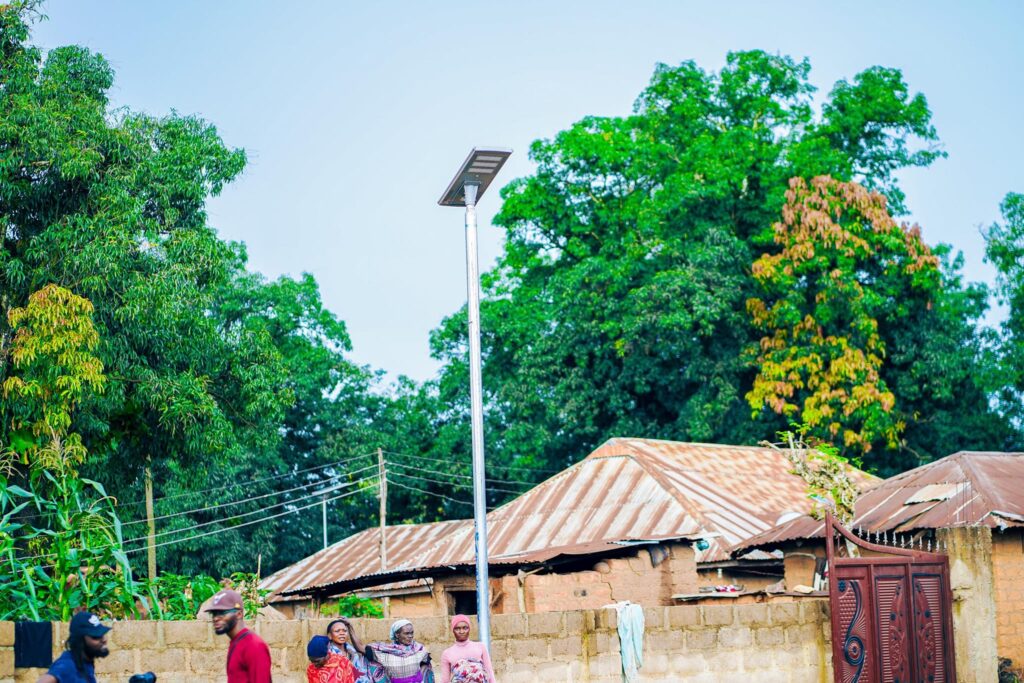
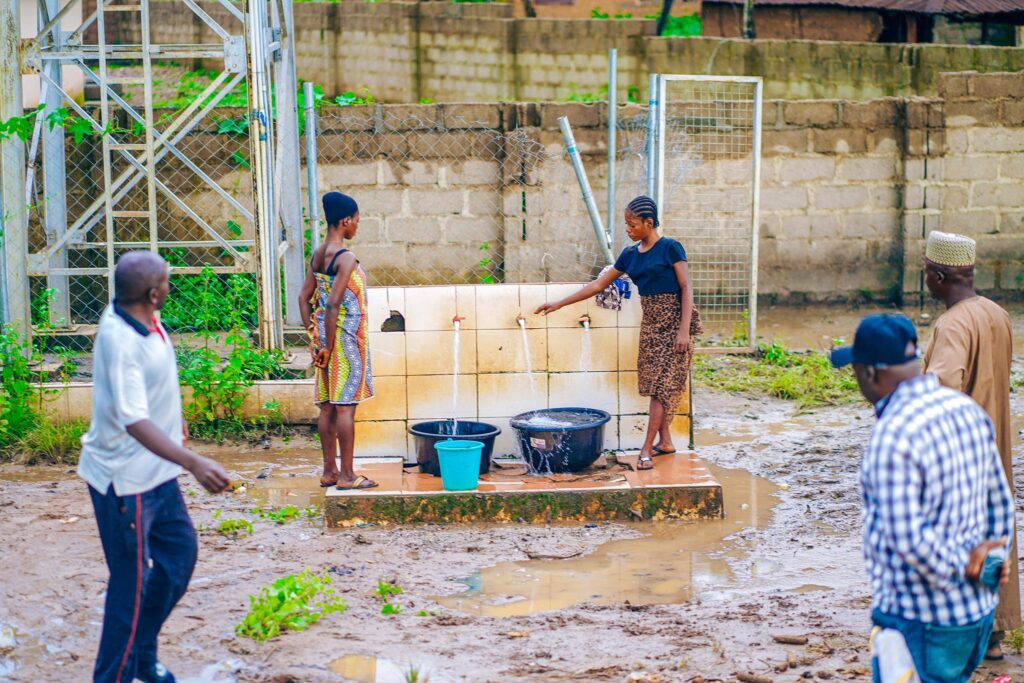
The Federal team was received by the Nasarawa State Project Management Unit (SPMU) led by the State Project Coordinator, Dr. Napoleon Gyobe Elias, alongside community leaders and residents who are direct beneficiaries of the project’s solar-powered boreholes and streetlights.
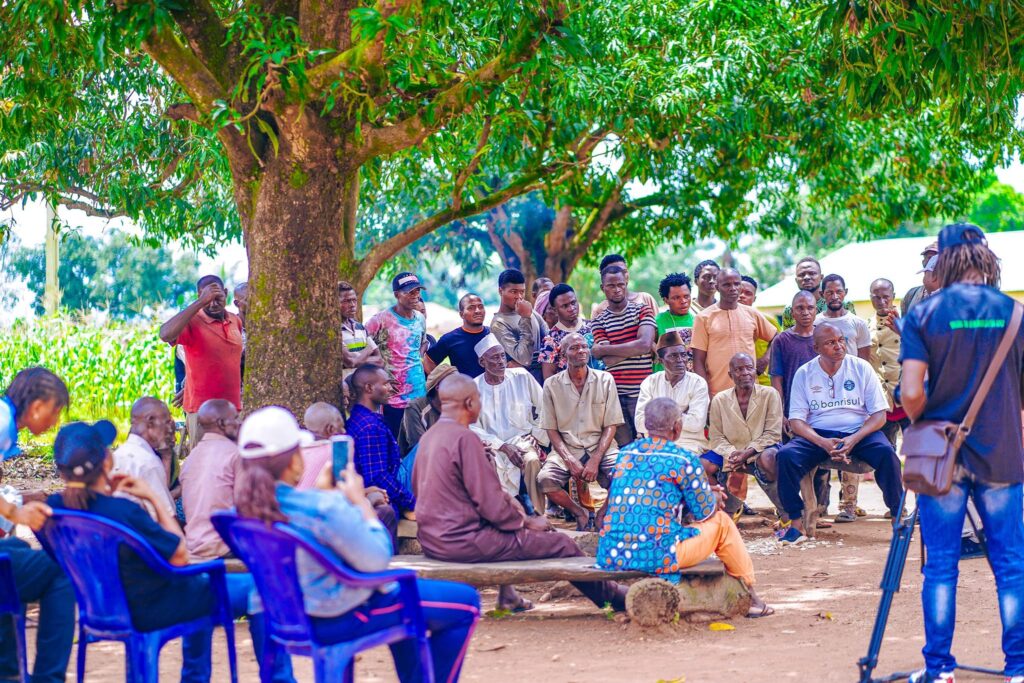
Community members expressed appreciation for the visit, noting that it provided an opportunity to share their experiences and highlight the changes brought about by the ACReSAL project since implementation.
Led by Mrs. Mbalamen Yuwa, the Federal Impact Evaluation Team interacted extensively with residents to assess how the project has influenced their daily lives. The team observed firsthand the positive effects of access to clean water and improved security through solar-powered lighting.
Residents narrated the difficulties they faced before the intervention, particularly long distances to access potable water and the absence of reliable energy sources. These accounts clearly demonstrated the transformative impact of the ACReSAL project in improving health, safety, and overall quality of life.
As part of the assessment, the team also visited Agyaga, Adde, and Ruga Ardo Ibrahim in Kurmi Tagwaye, all within Akwanga Local Government Area. In each community, the team witnessed functional infrastructure and strong community participation, reinforcing the success of the interventions.
Speaking on behalf of the Federal team, Mrs. Christiana Omusebi, Executive Assistant to the National Project Coordinator, expressed satisfaction with the outcomes of the visit.
She commended the Nasarawa State SPMU for their commitment and effective project delivery, noting that the results seen in the field aligned with the project’s documented objectives. Mrs. Omusebi also urged beneficiary communities to take ownership of the facilities to ensure their long-term sustainability.
She further reassured residents of continued support, reaffirming the World Bank’s commitment to improving livelihoods and strengthening climate resilience across Nasarawa State and other ACReSAL-participating states.
On behalf of the beneficiary communities, residents expressed heartfelt gratitude to the Nasarawa State Government, the Federal Government, and the World Bank for the impactful interventions. They pledged to maintain the provided infrastructure to ensure it continues to serve present and future generations.
The Federal Impact Evaluation Team included Mrs. Mbalamen Yuwa, Mrs. Christiana Omusebi, representatives of a communications firm, and journalists assigned to document the assessment. Their visit highlighted the World Bank’s commitment to transparency, accountability, and sustainable community development.
ACReSAL: Greening the Environment, Saving Lives
📹 Watch the impact story video attached below to hear directly from the beneficiaries and see the transformation firsthand.
Newsletter

ACReSAL. Greening the Environment and saving Lives.