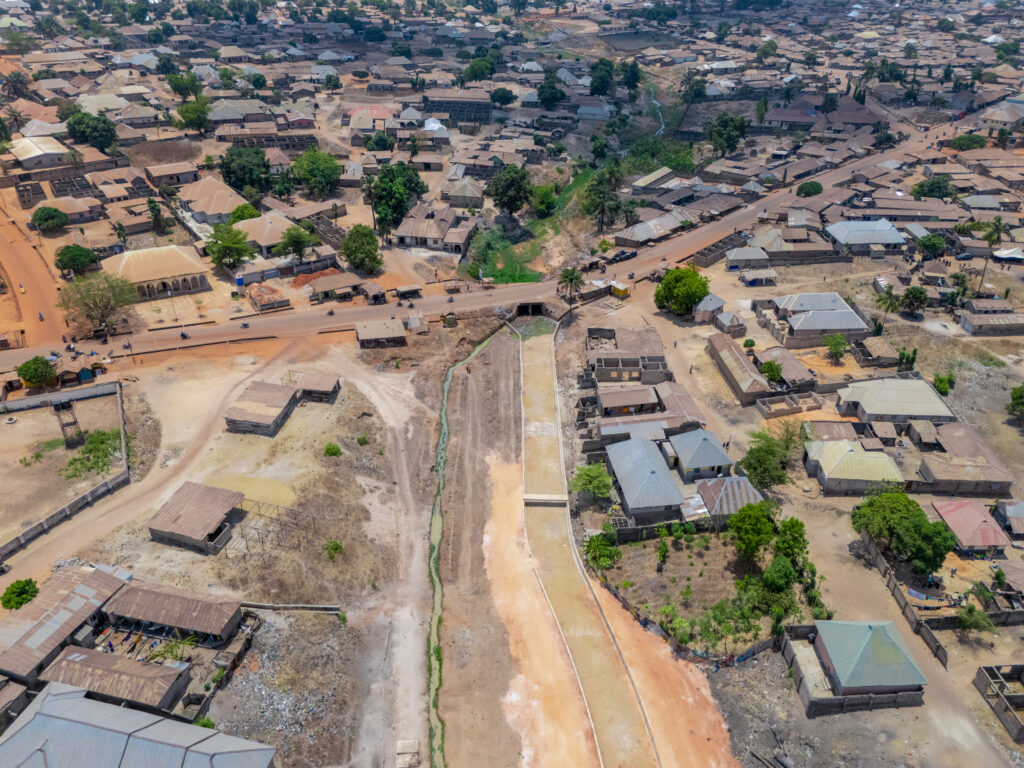
Agro-Climatic Resilience in Semi-Arid Landscapes (ACReSAL) is a World Bank-financed project designed to tackle the pressing issues of land degradation
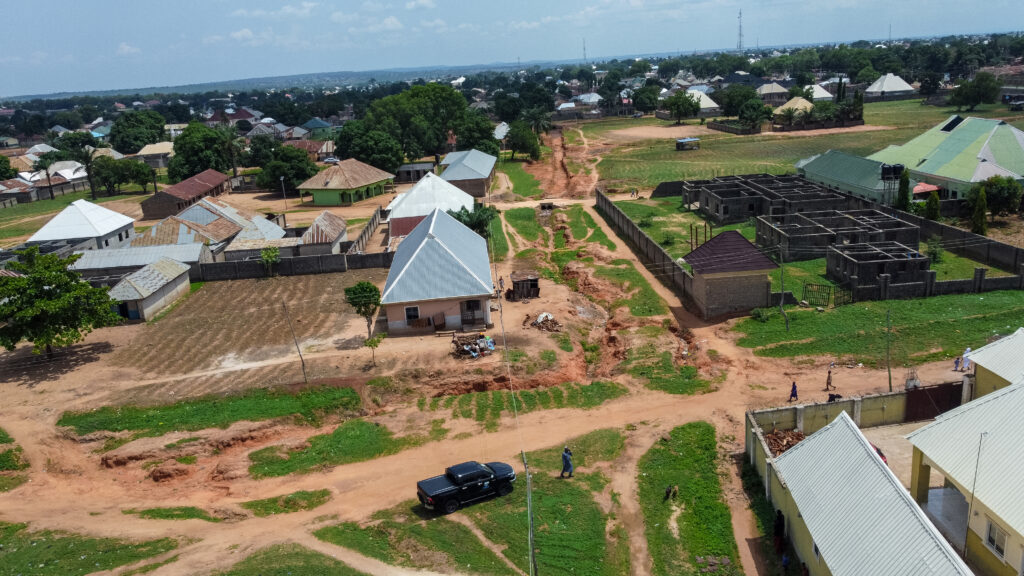
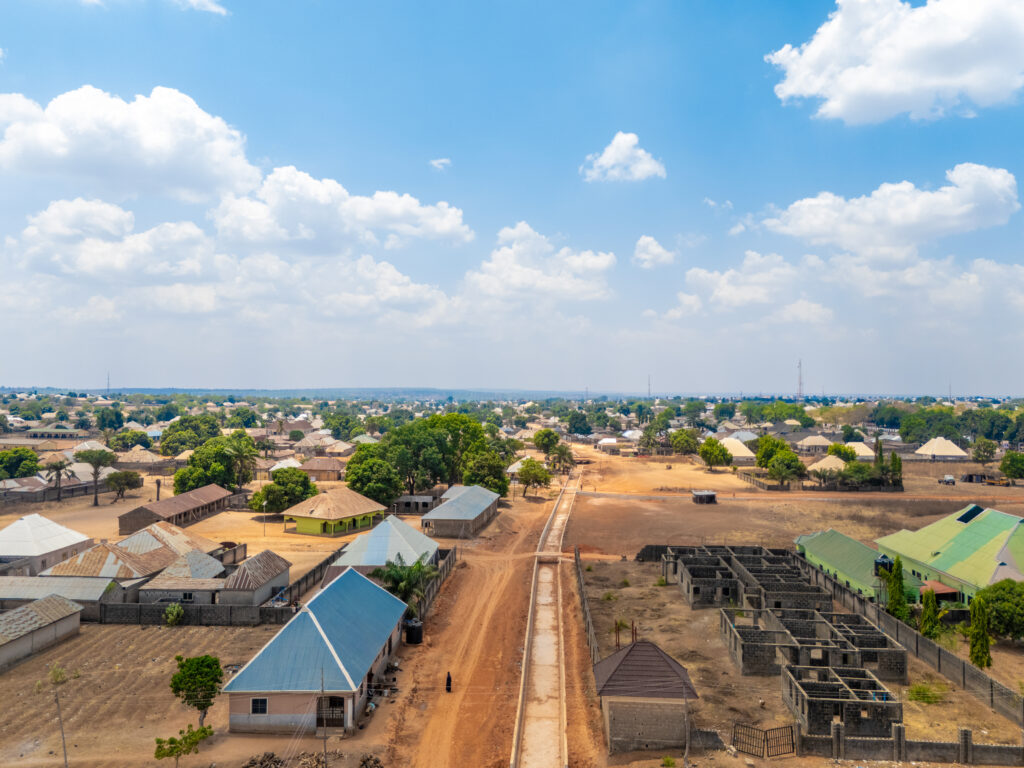
Lafia, the capital of Nasarawa State in Nigeria, is positioned in North Central Nigeria at approximately 8.496°N, 8.5148°E, with an elevation of 179 meters (587 feet). It spans about 2,828.27 km² with Population: 509,000 as of 2022 making it the largest town in the state.
Toto, a Local Government Area in Nigeria’s North Central Nasarawa State, is positioned at 8.38622° N, 7.07979° E. It shares borders with the Federal Capital Territory to the north, Nasarawa LGA to the east, and Kogi State to the south and west. Covering roughly 2,903 km², Toto had an estimated population of 195,000 as of 2025, translating to a density of about 116.9 people per km²
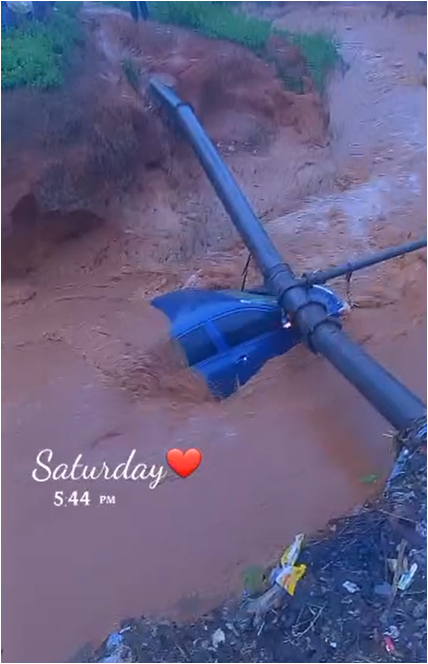
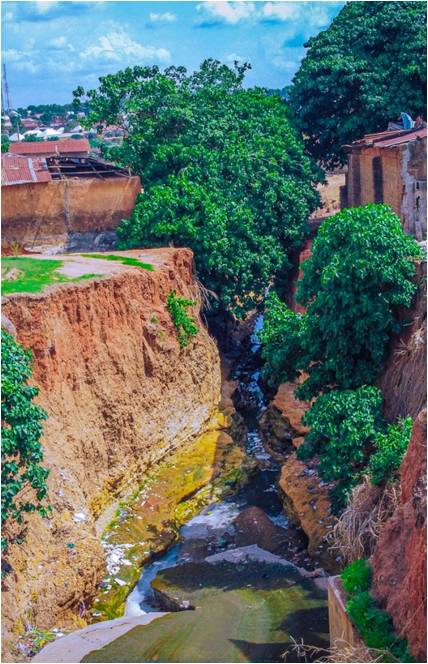
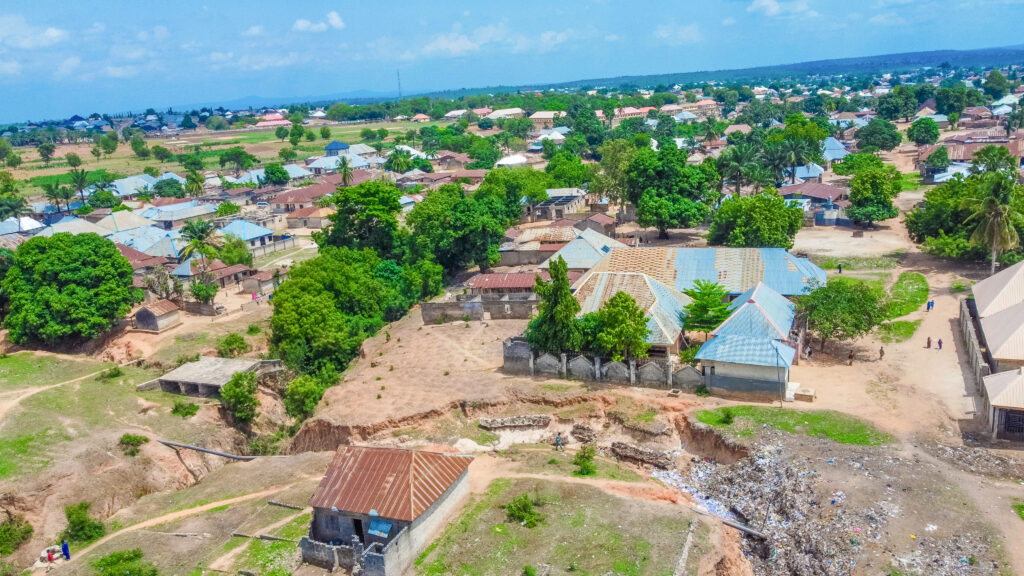
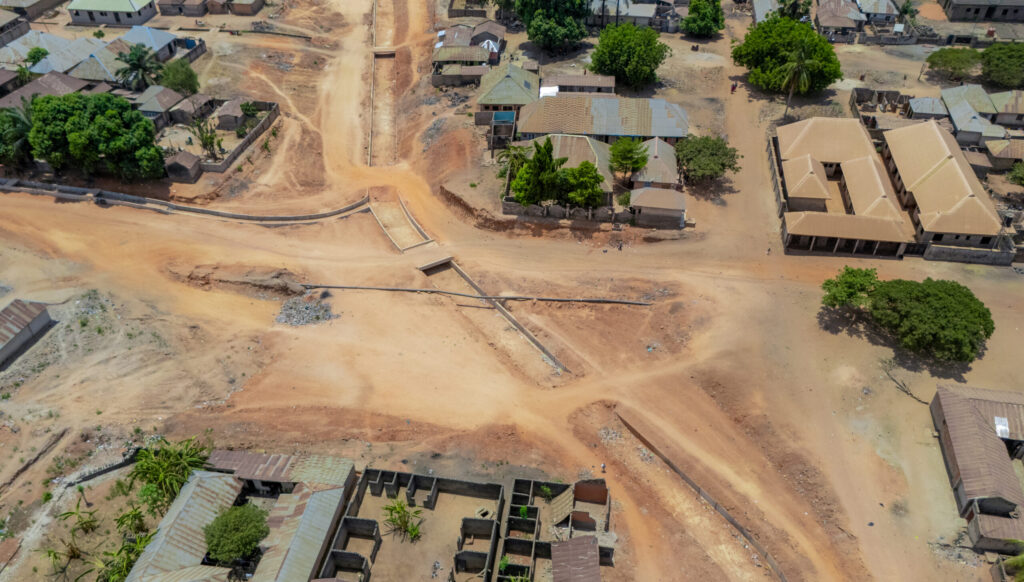
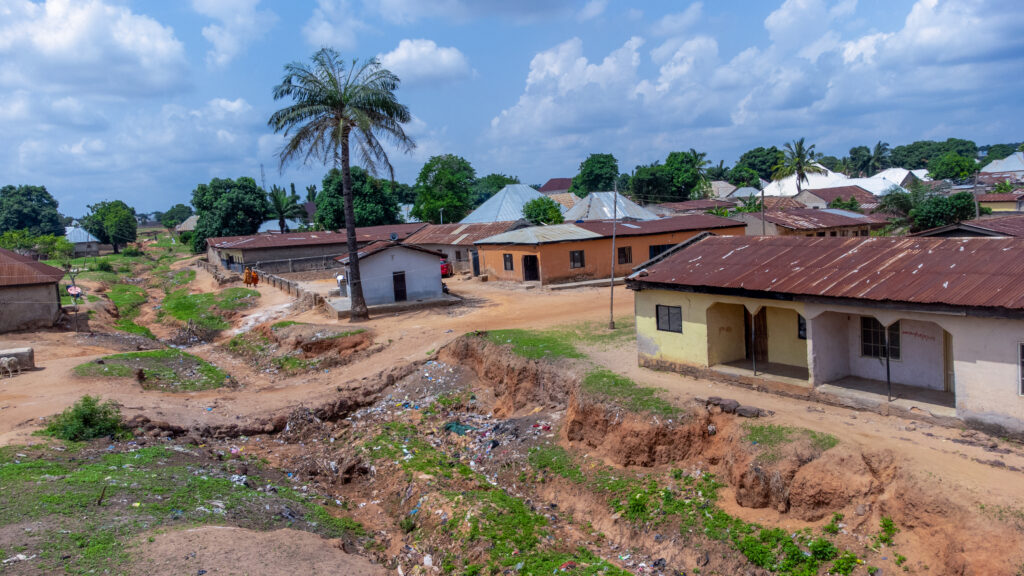
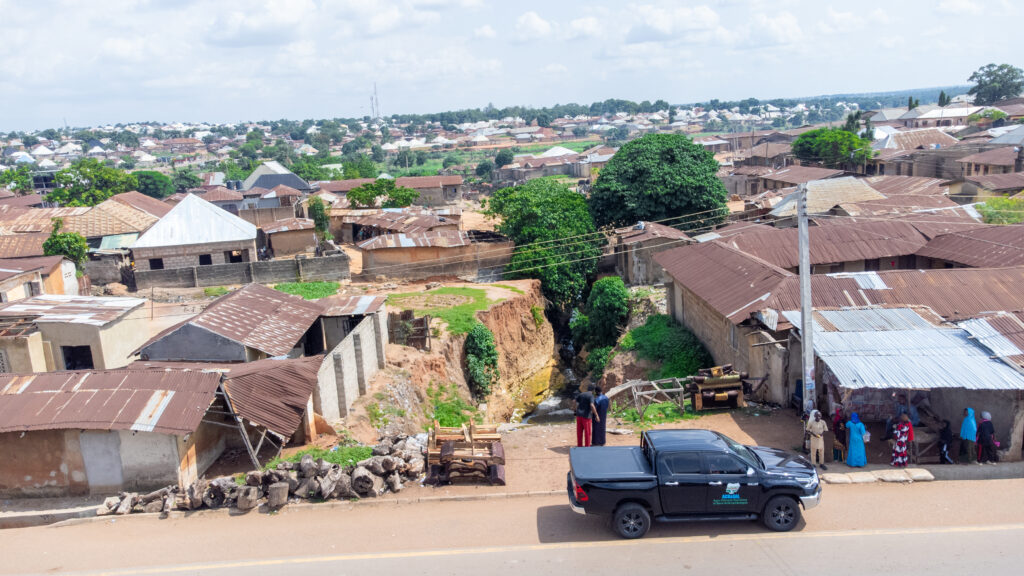
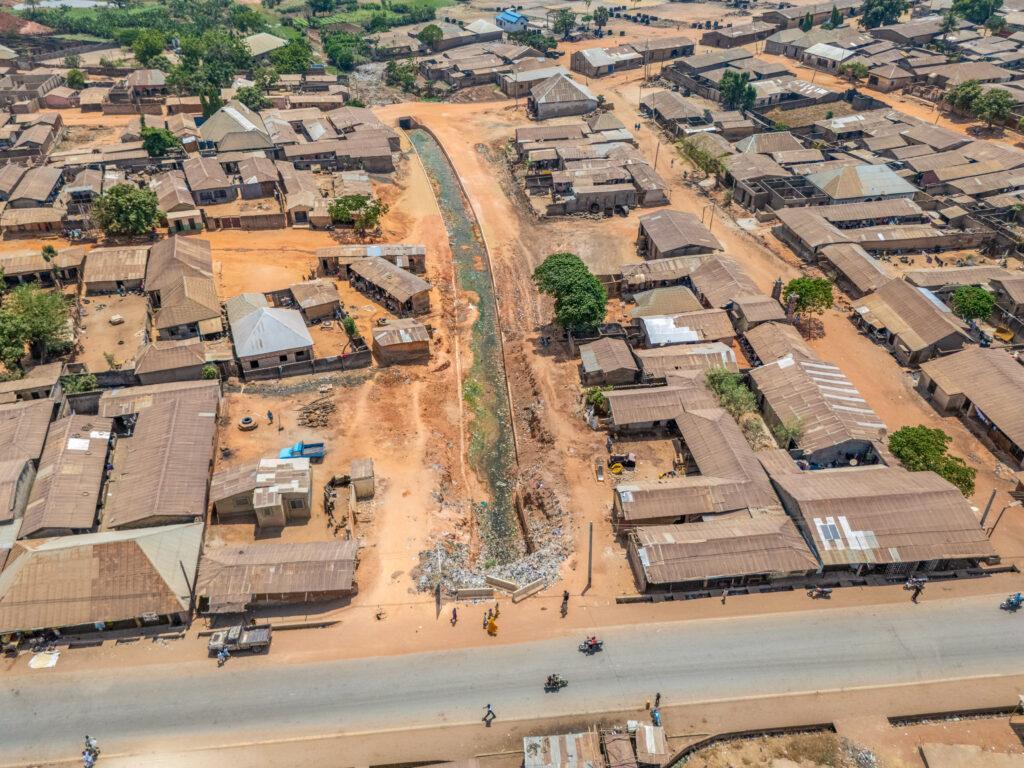
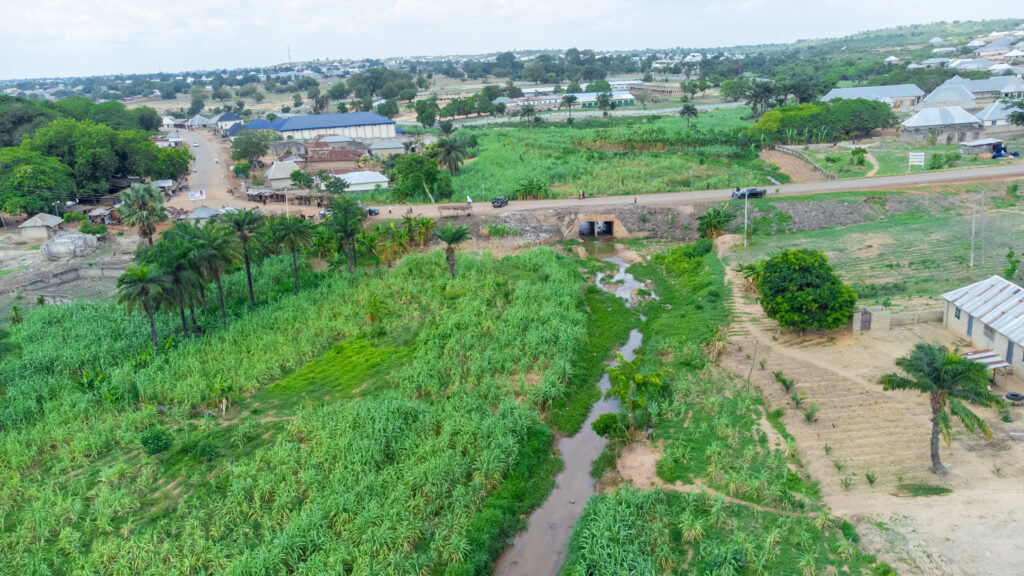
For the residents of Lafia-Doma, and Toto, the devastating impact of gully erosion had long been a painful reality-one marked by loss, fear, and uncertainty.
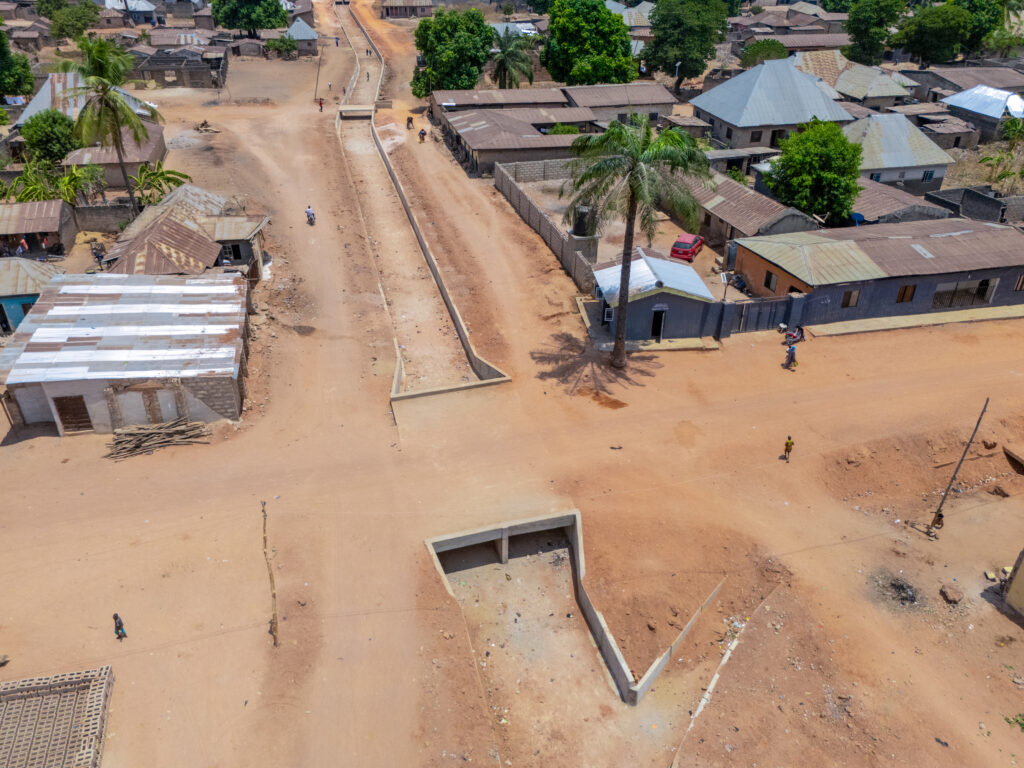
In the Lafia–Doma axis, entire neighborhoods sit on the edge of collapse.
“Each rainy season feels like a death sentence,” said Musa Yakubu, a farmer from a community along the Lafia-Doma road. “The gully keeps moving closer. We no longer sleep peacefully when it rains.”
For many, the danger has already turned tragic.
A resident of Doma, Hajiya Salamatu, recounted a heartbreaking loss:
“We lost two school children last year. They were trying to cross a narrow path on their way home when the soil gave way. Since then, parents live in constant fear.”
Entire communities were being cut off. Homes were collapsing. Livelihoods were disappearing. And tragically, lives – including those of school children had been lost to the advancing gullies. But this time, intervention came.
The ACReSAL Intervention: Restoring Dignity and Stability
Through the Agro-Climatic Resilience in Semi-Arid Landscapes (ACReSAL), Nasarawa State ACReSAL took a decisive step to confront the crisis head-on.
A critical part of this intervention was the preparation of a Resettlement Action Plan (RAP) a framework designed to ensure that all affected persons were treated fairly and supported throughout the process. The RAP was carefully prepared, reviewed, and officially cleared by the World Bank, covering major storm water and erosion control sites across Lafia–Doma and Toto.
Compensation That Changed Lives
Under this plan, a total of 195 Project-Affected Persons (PAPs) in the Lafia–Doma and Toto corridors received compensation amounting to ₦744,218,340.
For many families, this was more than financial relief, it was a second chance.
“I thought my life was over when the gully took part of my house,” said Mr. Danladi from the Lafia-Doma axis. “But the compensation gave me the opportunity to rebuild. Today, my family has a roof again.”
Beyond rebuilding homes, beneficiaries were also equipped with financial management training, empowering them to make sustainable decisions.
“They didn’t just give us money – they taught us how to use it,” shared Hajiya Zainab from Toto. “I started a small provisions shop. Now, I can support my children’s education.”
Many others invested in small businesses, farming tools, and trade equipment laying the foundation for long-term economic stability.
Jobs, Skills, and Community Empowerment
While the erosion control works were ongoing, the project created a vital economic lifeline for residents.
Men and women from affected communities were employed as labourers and support workers, providing them with steady income at a time when livelihoods had been disrupted.
“Before the project, there was nothing to do,” said Sadiq Ibrahim, a youth from Keffi. “But working on the site helped me earn and take care of my family. It gave us hope again.”
In addition to income, many workers gained practical skills in construction, land restoration, and environmental management – skills that remain valuable beyond the lifespan of the project.
A Story of Impact and Renewal
Today, what was once a landscape of destruction is gradually transforming into a symbol of resilience.
Project Investment: A Bold Commitment to Restoration
The intervention across Lafia–Doma and Toto represents a significant financial commitment toward environmental restoration and community recovery.
This brings the total investment to over ₦9.6 billion, underscoring the scale and urgency of the erosion crisis and the determination to resolve it.
While the numbers reflect the magnitude of the project, the true impact is seen in the lives transformed:
Combined with the ₦744,218,340 compensation paid to 195 Project-Affected Persons (PAPs), the intervention goes beyond infrastructure, it directly invests in people.
What was once a corridor of fear is now becoming a pathway to resilience.
Through the efforts of the Agro-Climatic Resilience in Semi-Arid Landscapes (ACReSAL) and the support of the World Bank, Nasarawa State is demonstrating that even the most severe environmental challenges can be reversed with the right vision, funding, and community engagement.
The story of Lafia–Doma and Toto is no longer just about erosion,
it is about recovery, empowerment, and a future rebuilt from the ground up.
Newsletter

ACReSAL. Greening the Environment and saving Lives.