COMPONENT B

COMMUNITY CLIMATE RESILIENCE

It consists of the following sub-components:
(i) community strengthening; and
(ii) community investments.

SOLAR STREET LIGHT & SOLAR BOREHOLE

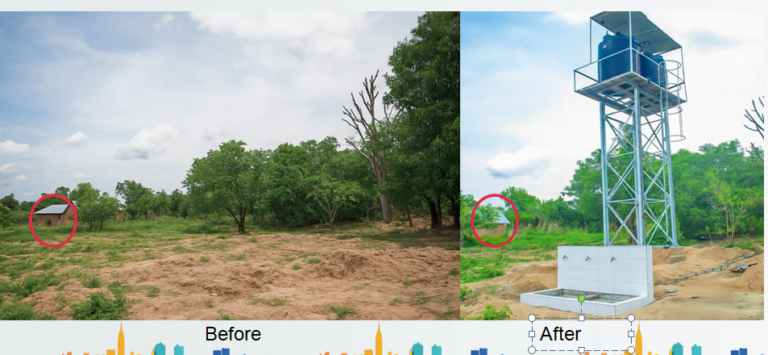
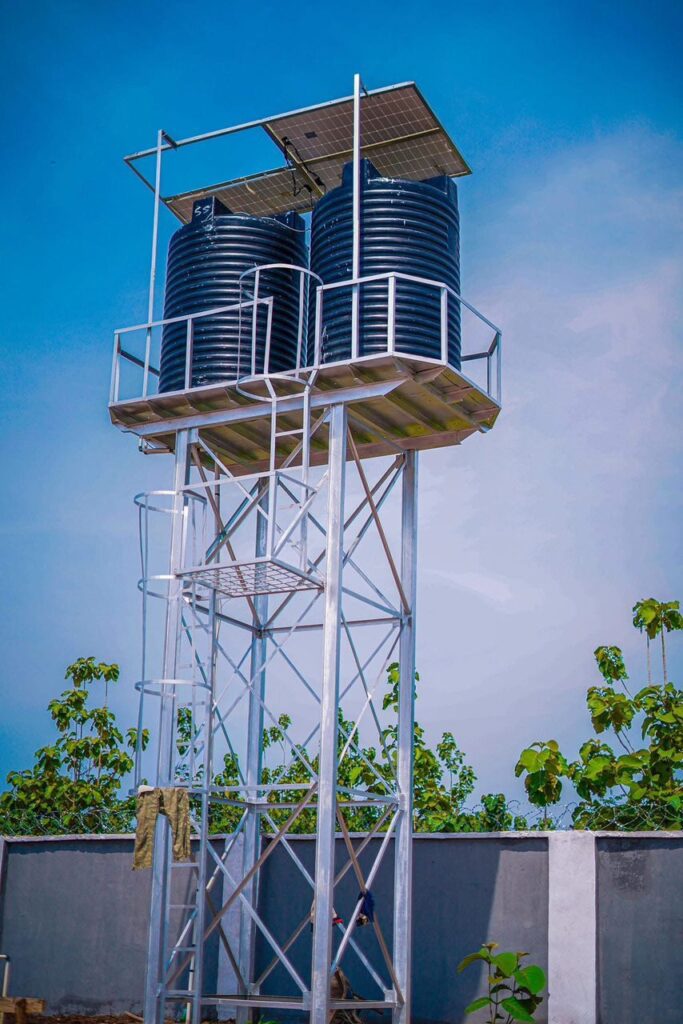
  1. Solar –Powered Boreholes: 17No solar powered boreholes  were drilled in Akwanga LGAs with  the capacity of 170 cubic metre.
  2. 6No boreholes were also drilled in 6No Nursery sites with 10 cubic meter each
  3. 27No boreholes for Rehabilitation and Construction in 27 communities with 752 cubic meter in all.
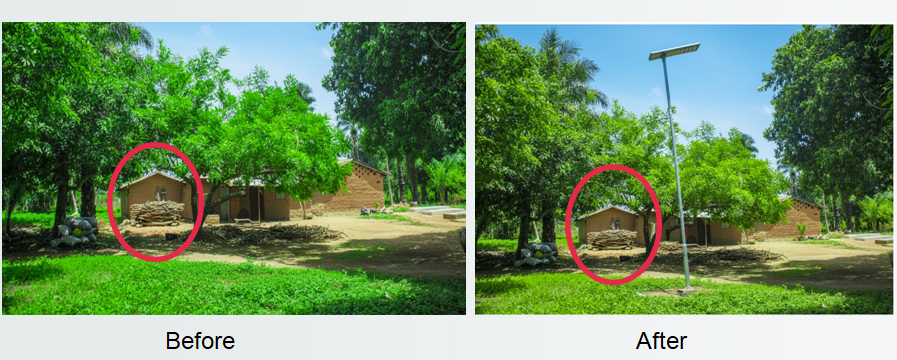
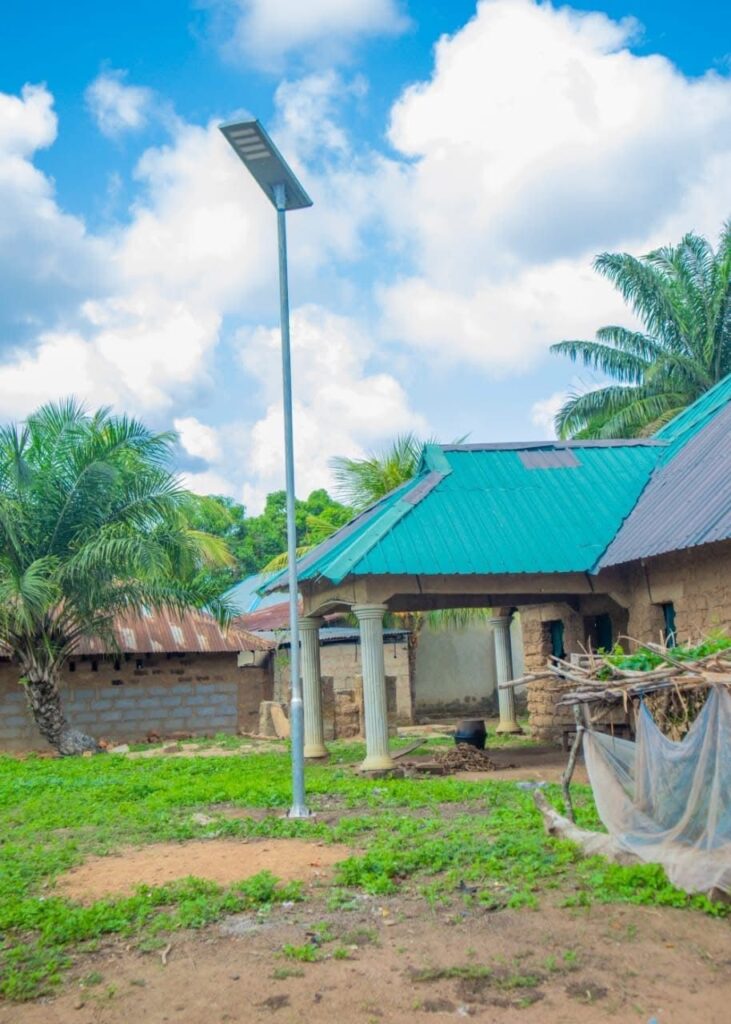
  4. 418No solar light was constructed and installed    in Akwanga, Karu and Nasarawa LGAs benefitting 12,000 residence.

IMPACT TO THE PEOPLE OF AKWANGA AND TOTO

  • Reducing Farmer–Herder Conflicts with Solar Powered borehole in Akwanga, Nasarawa State
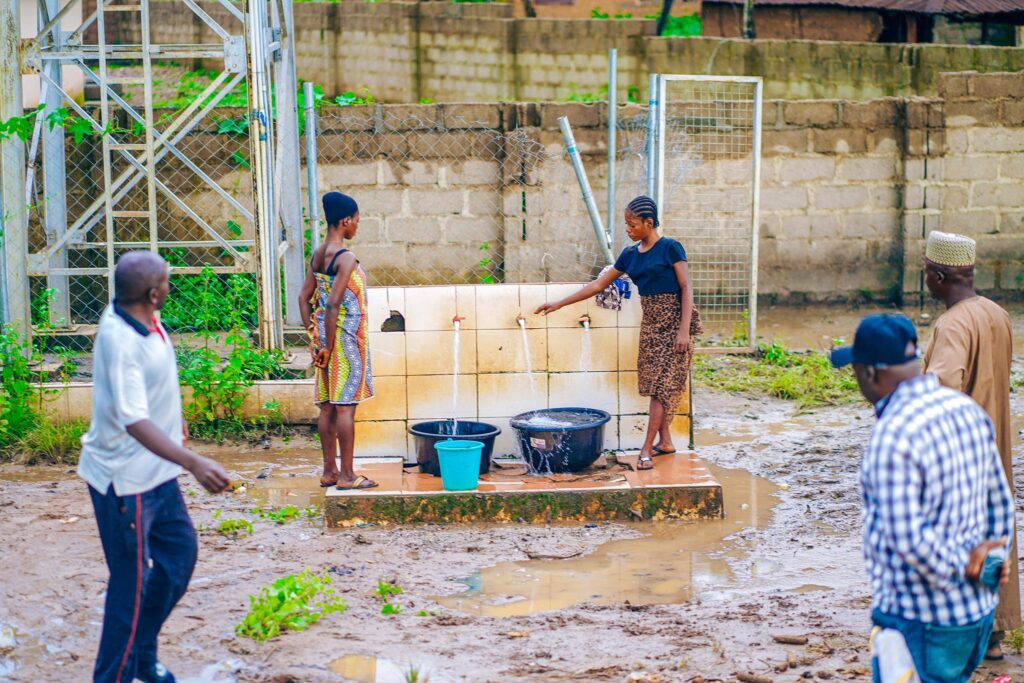
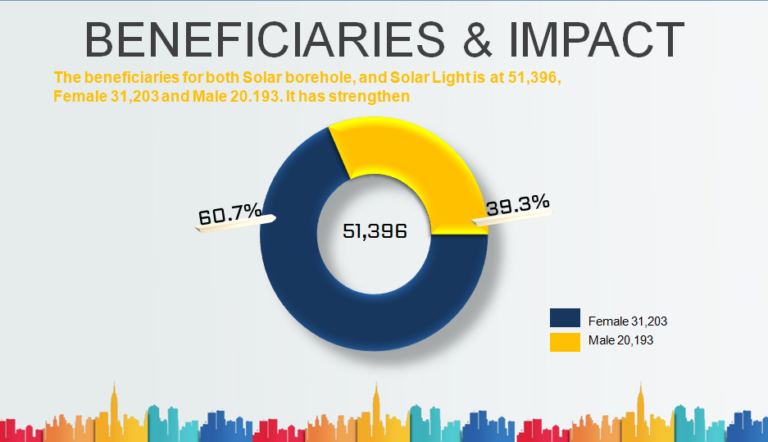
  • ACReSAL installed 17 solar-powered boreholes and 408 street lights, giving 51,396, residents clean water and safer communities
  • Clean water drastically reduced cholera, typhoid, hospital visits, and long treks that kept children out of school.
  • Livestock health improved: veterinary costs dropped from ₦3m → ₦600k, and cow prices increased to ₦300k–₦350k.
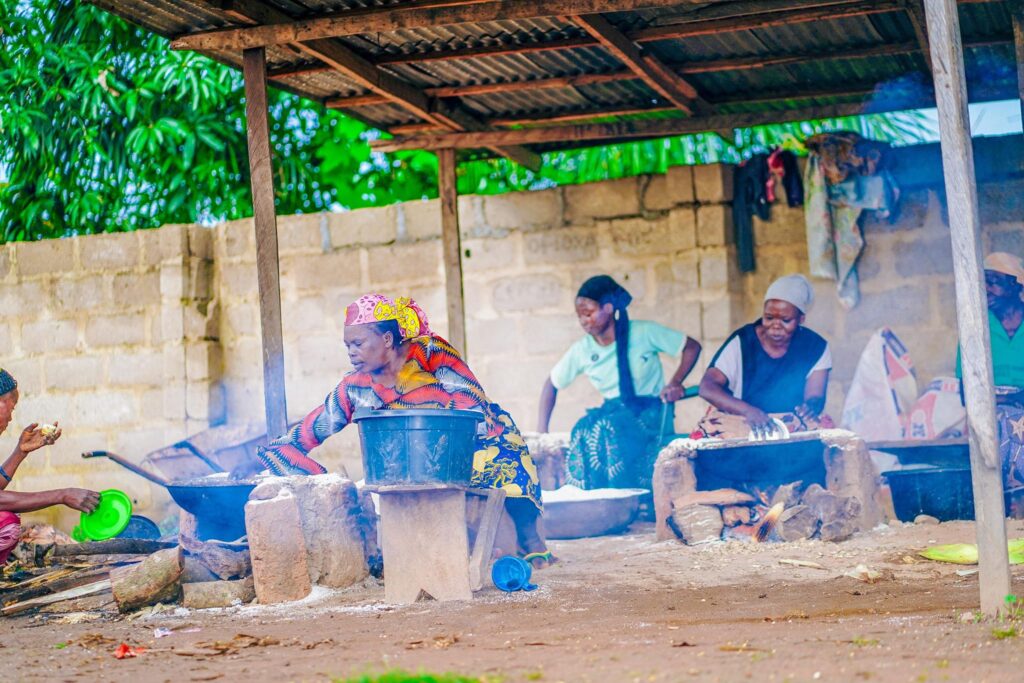
  • Economic activities expanded: garri production increased 8× in Angwan makama, women’s daily income grew, and cleaner products attracted buyers from multiple states.
  • Streetlights eliminated snakebites and robberies.
  • Most importantly, 2024 recorded zero farmer–herder conflicts, as water access reduced tensions and improved cooperation.
  • Community-led maintenance committees ensure sustainability, and the model is set for replication across all LGAs in Nasarawa State.
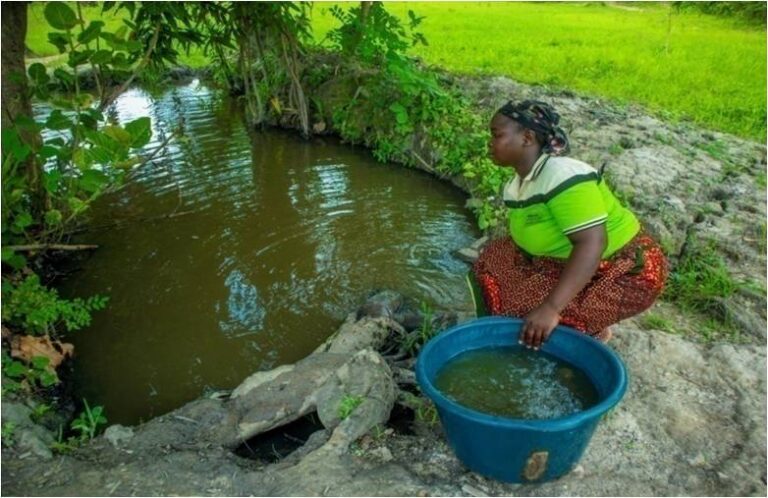
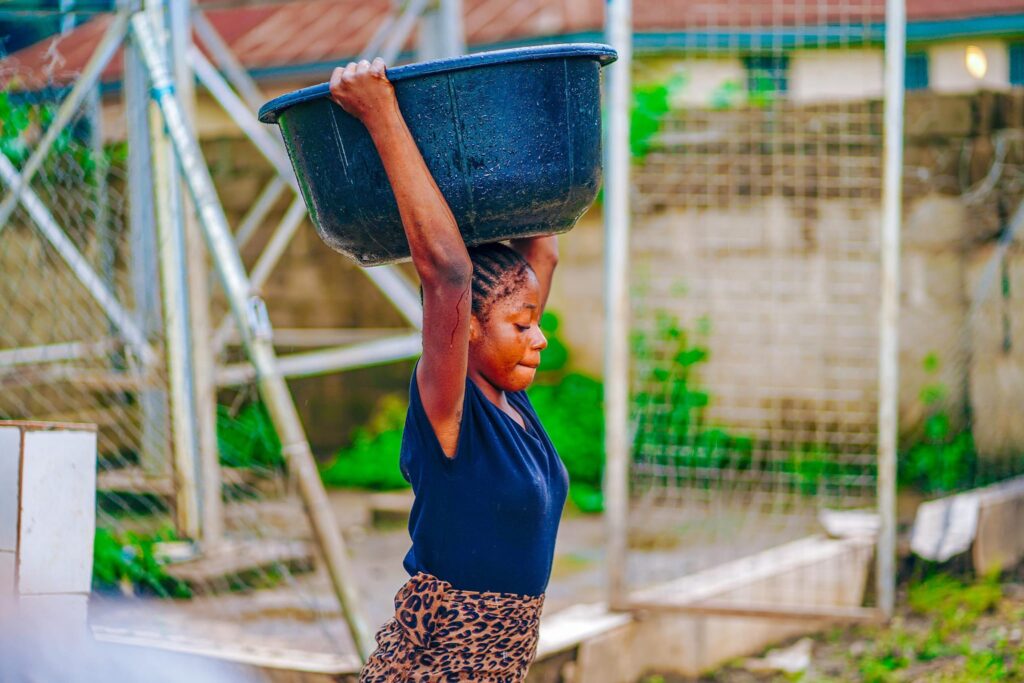
People of Angwa Makama uses the water for the Garri Processing
People of Angwa Makama now have clean water for drinking
The people of Angwa Makama use the water for garri processing and now work late into the night because of the installed solar lights. This has helped them process more garri and make more profit.

MECHANIZATION

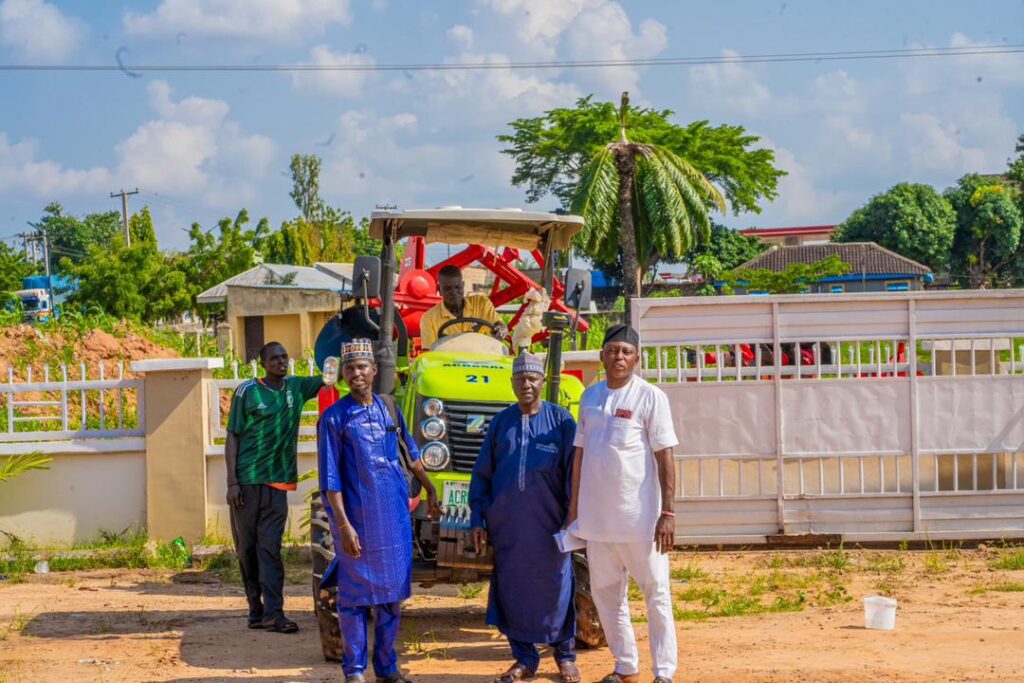
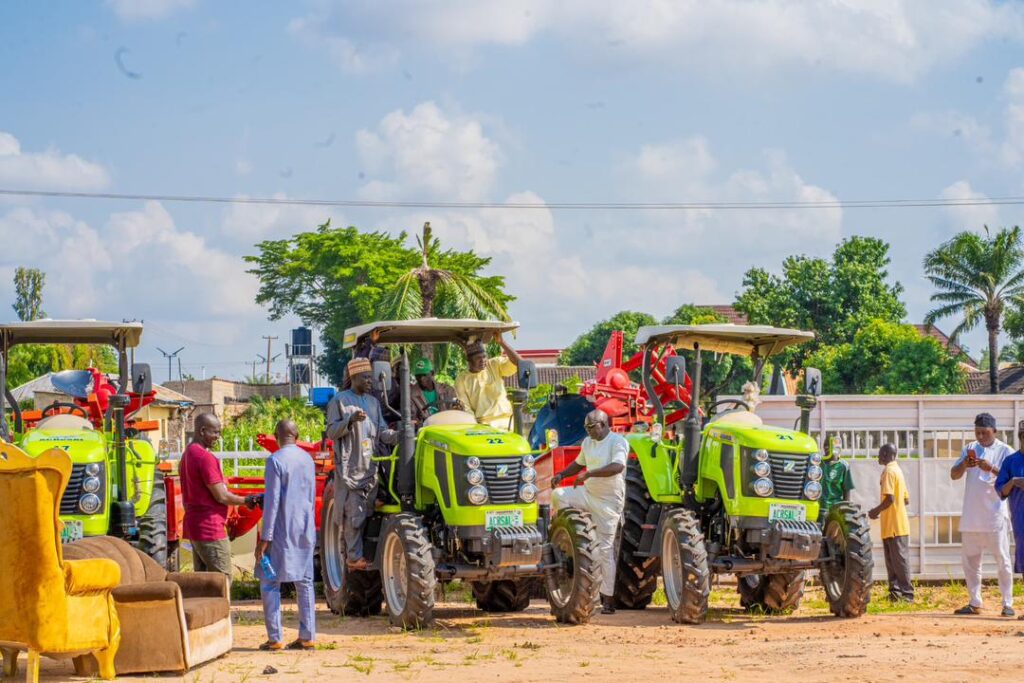
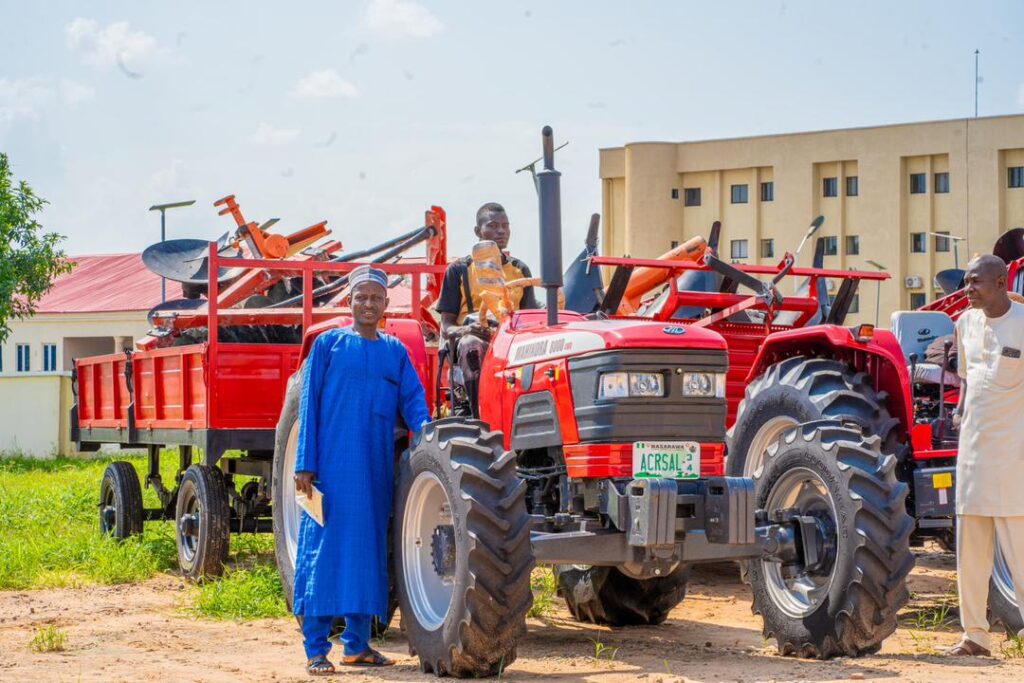
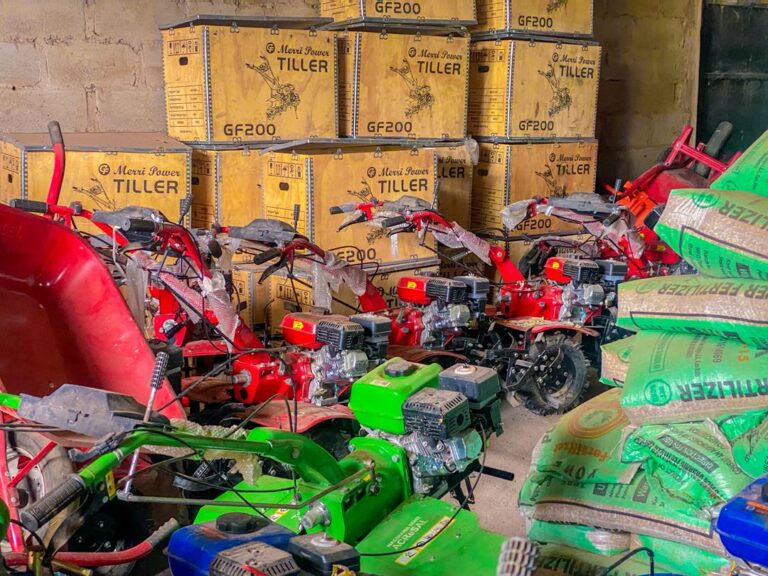
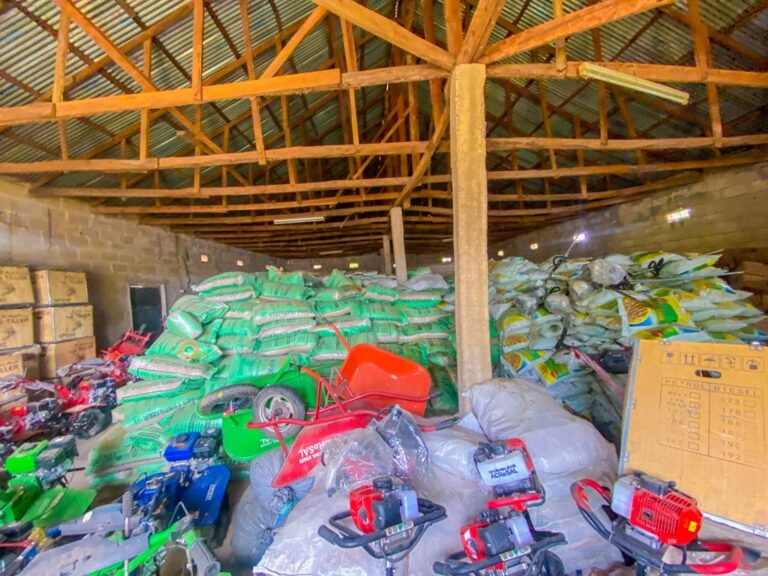
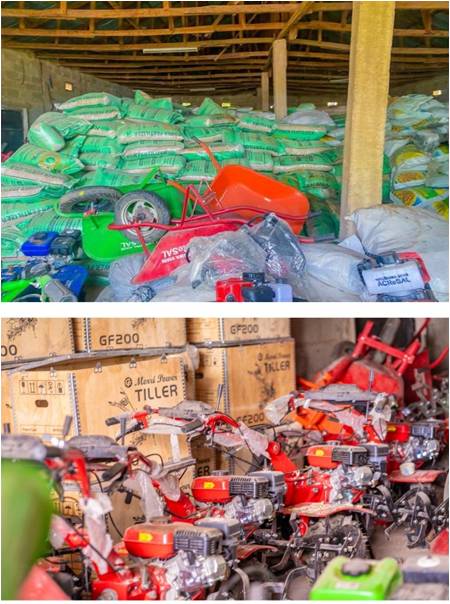
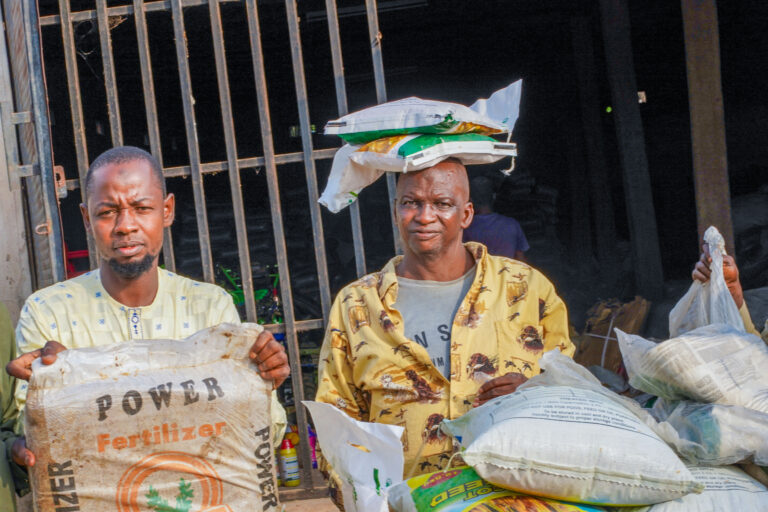
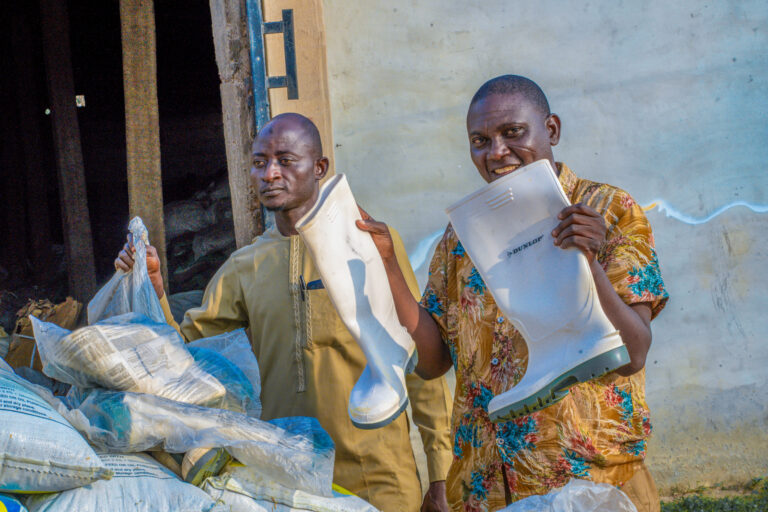
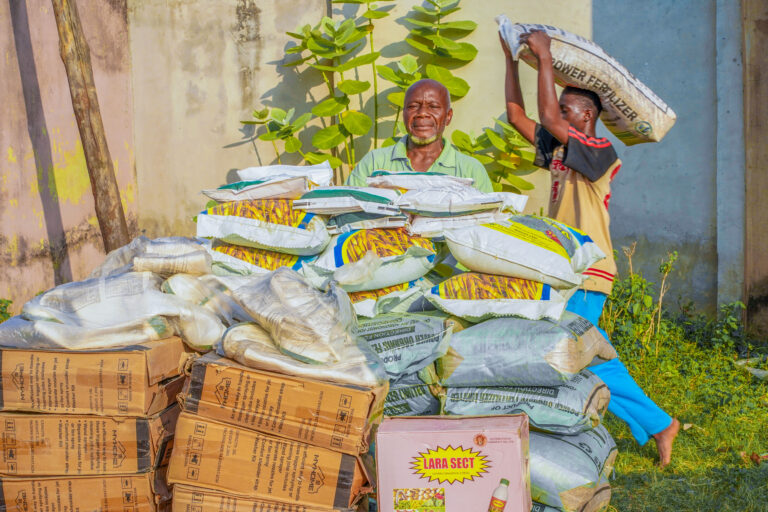
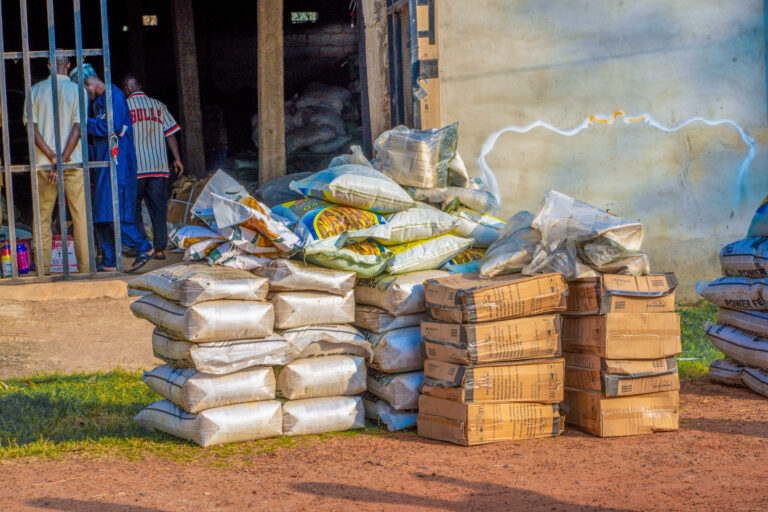
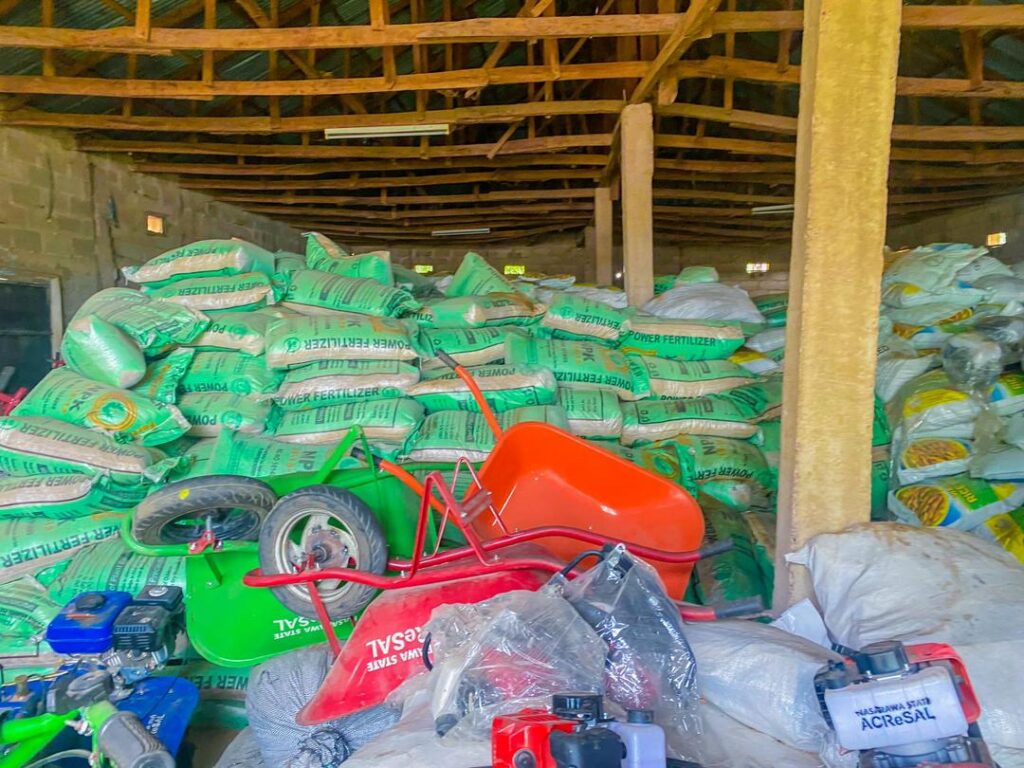
The following Agricultural farm inputs were procured and distributed to farmers.

  1. Power tillers, 
  2. Rice reapers,
  3. Planters,
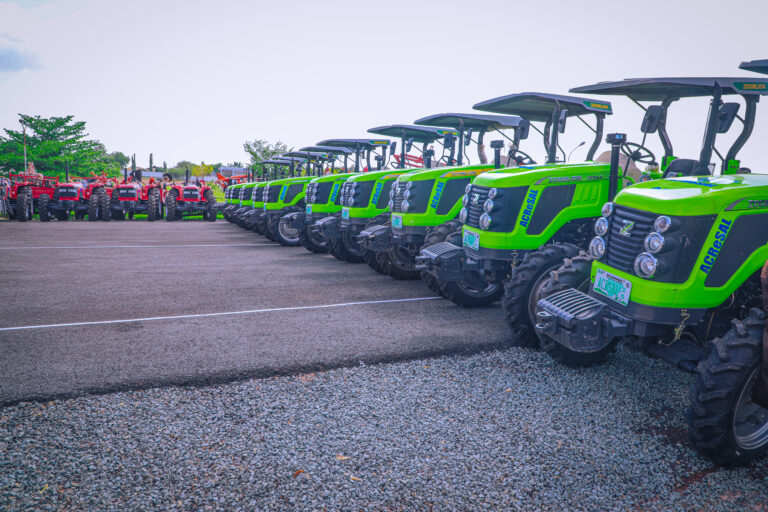
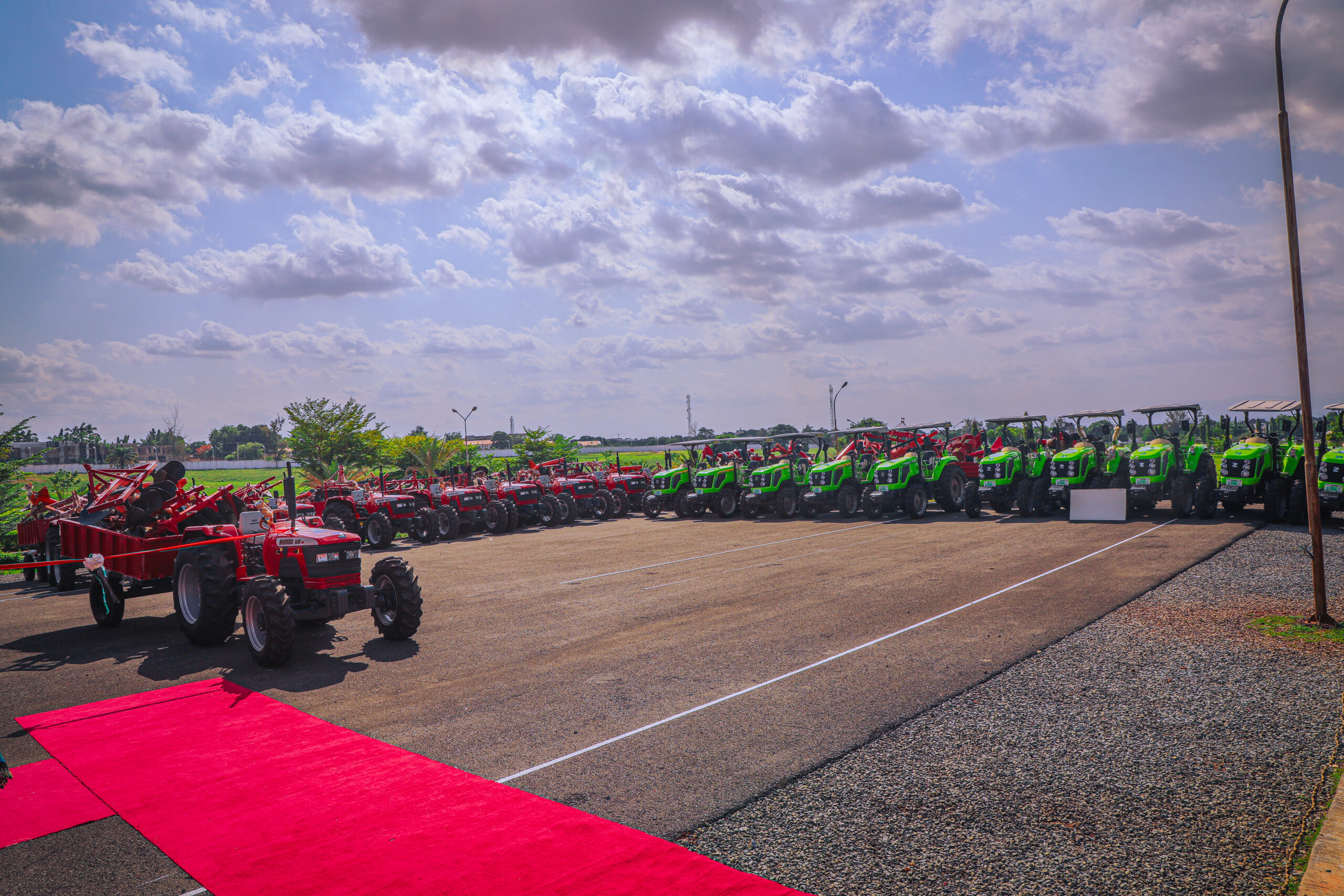
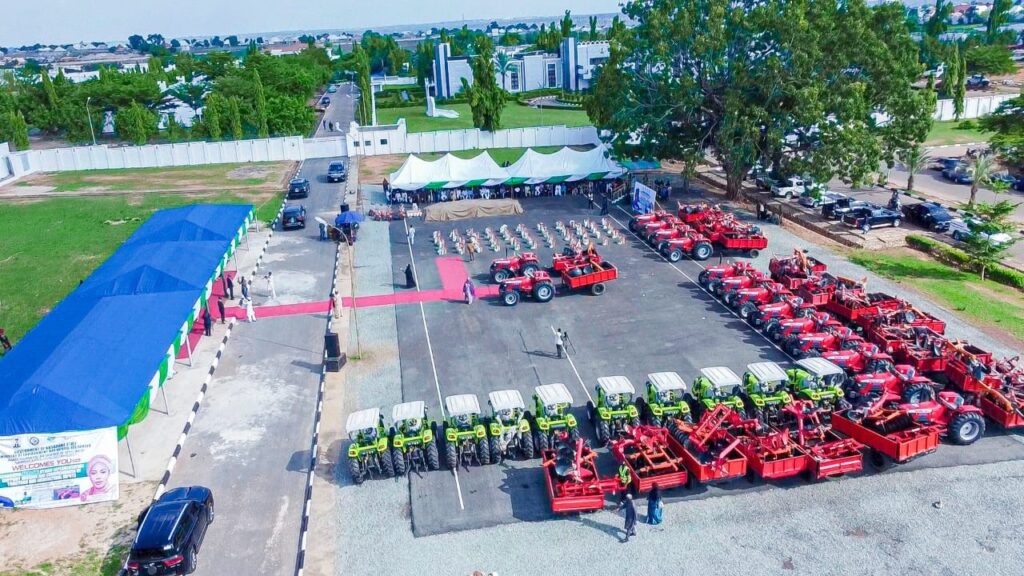
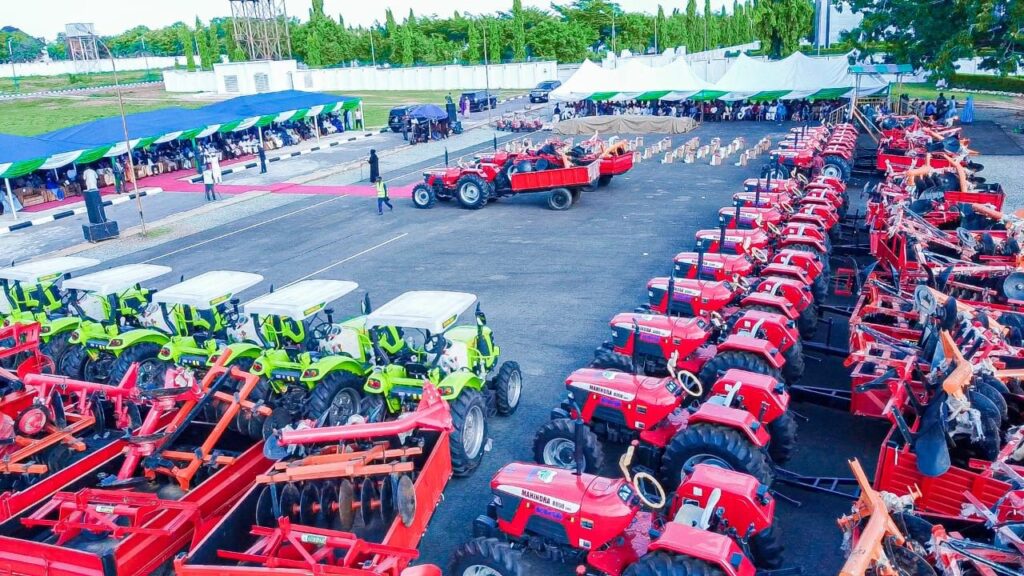
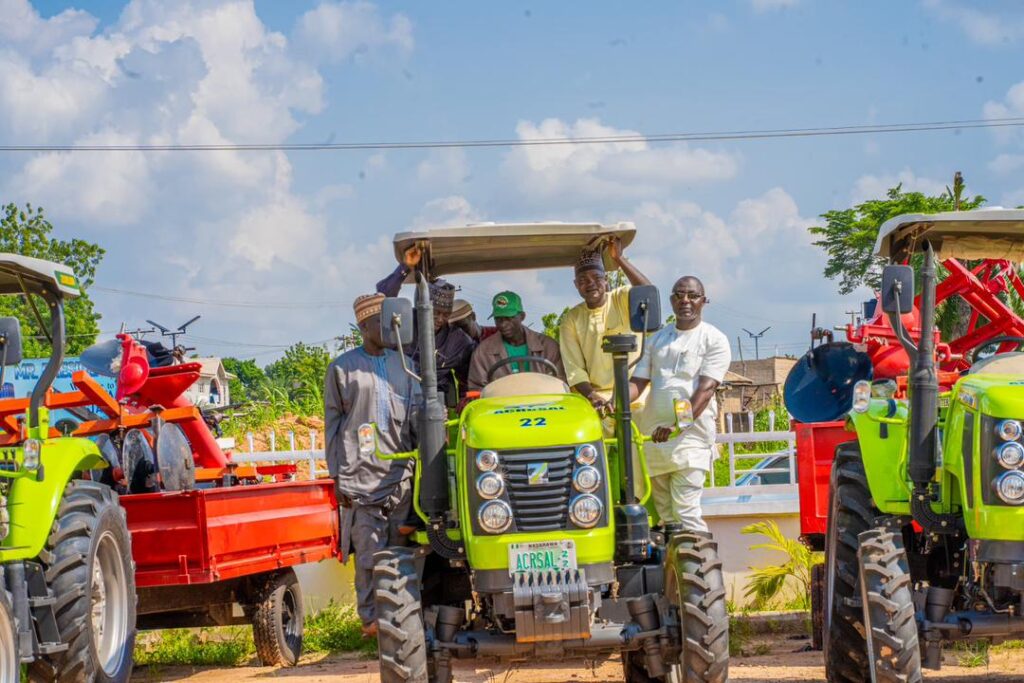
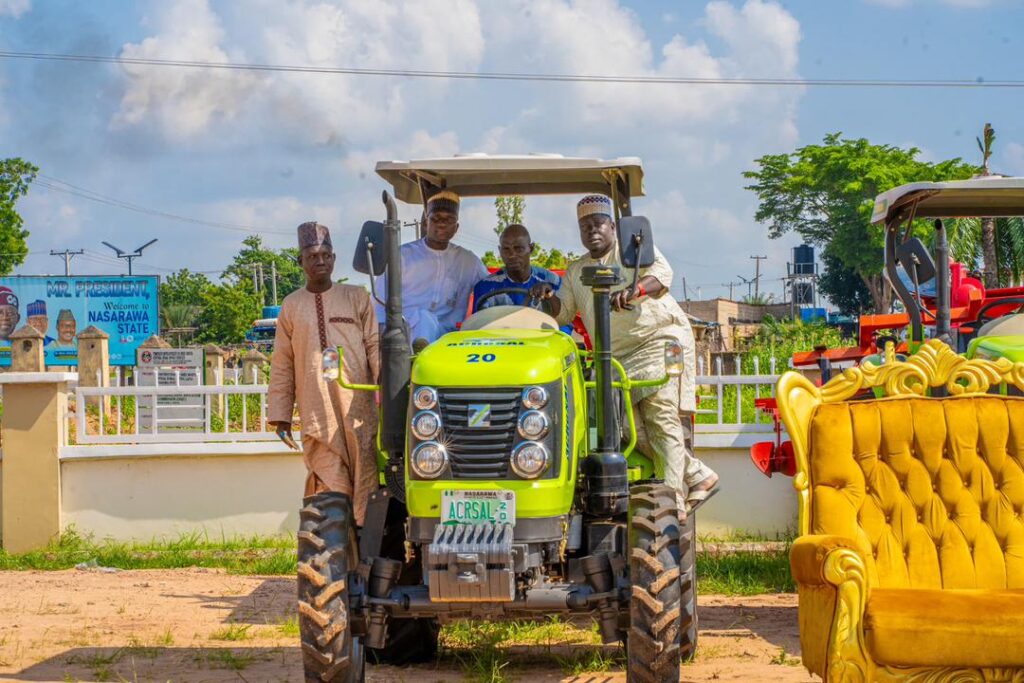
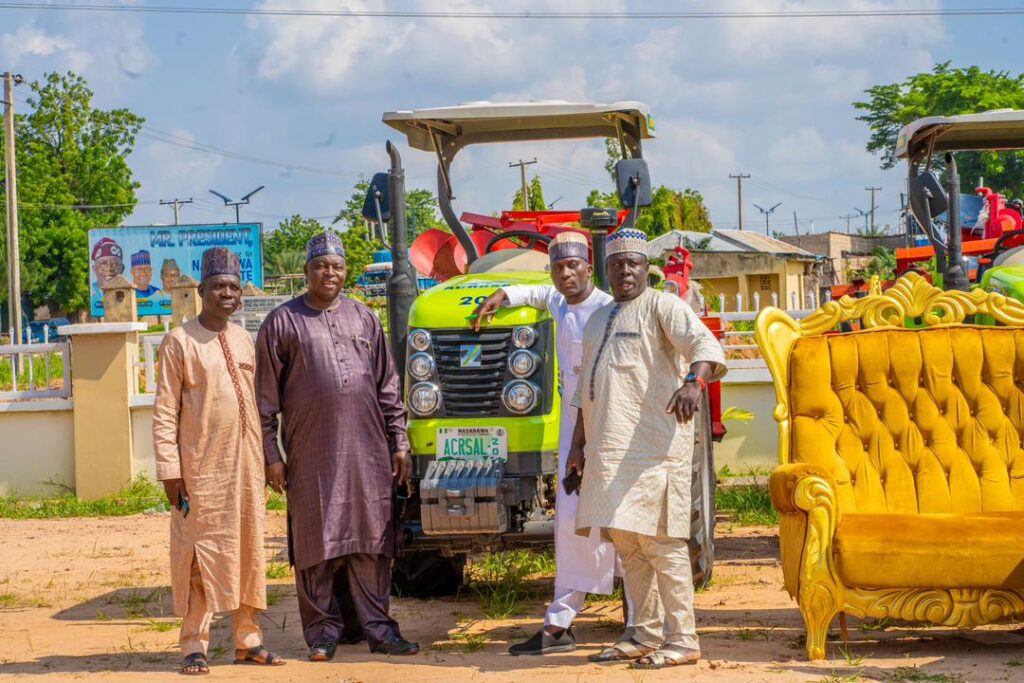
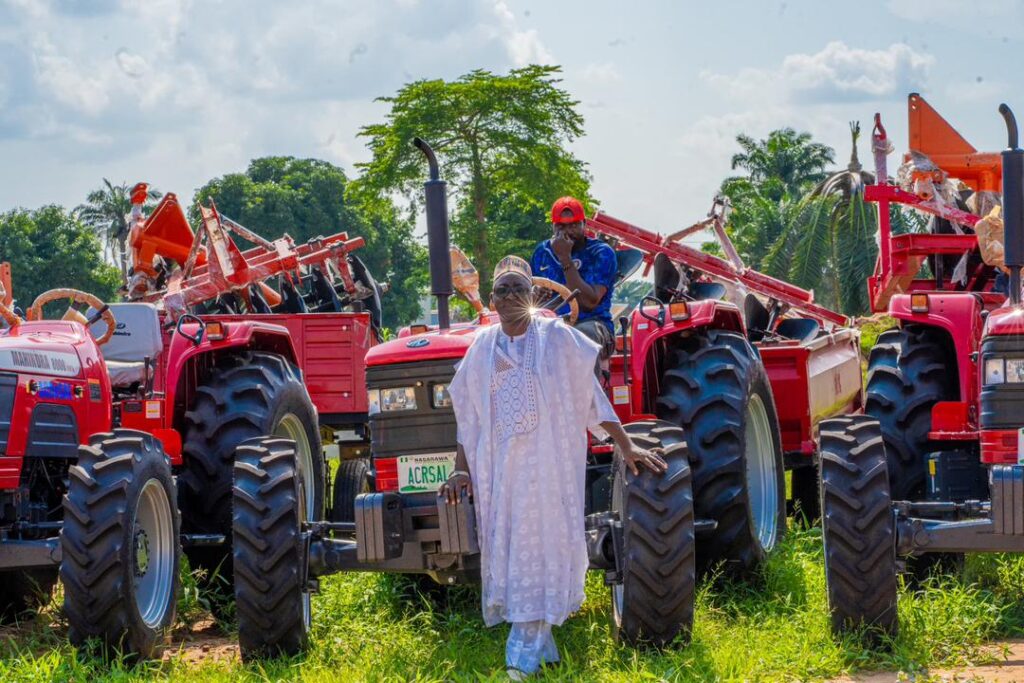
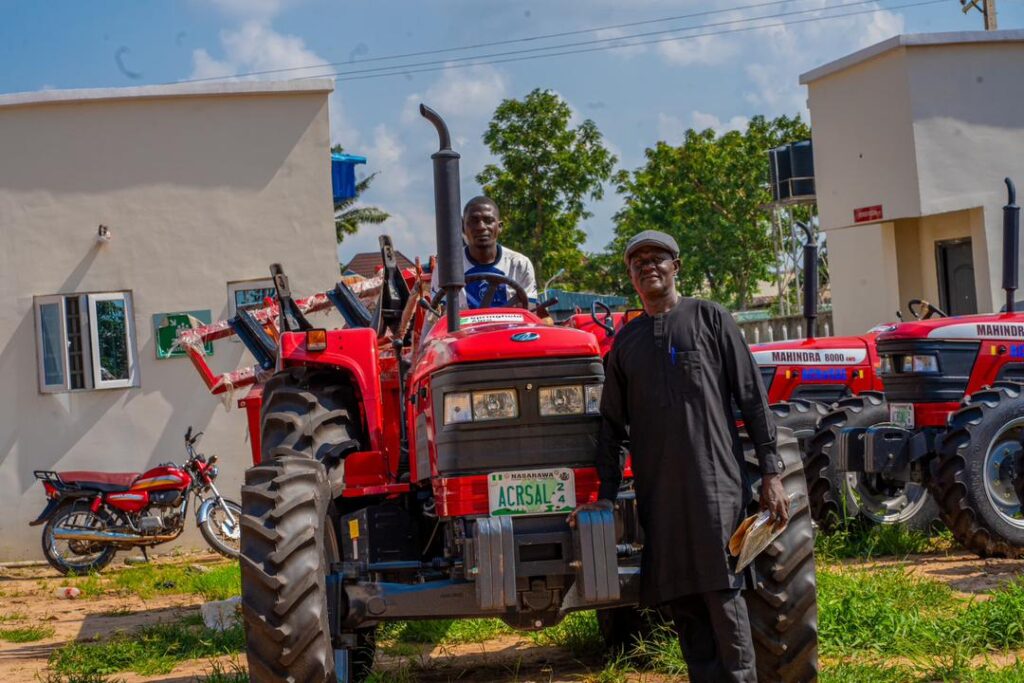
  4. 25No Tractors,
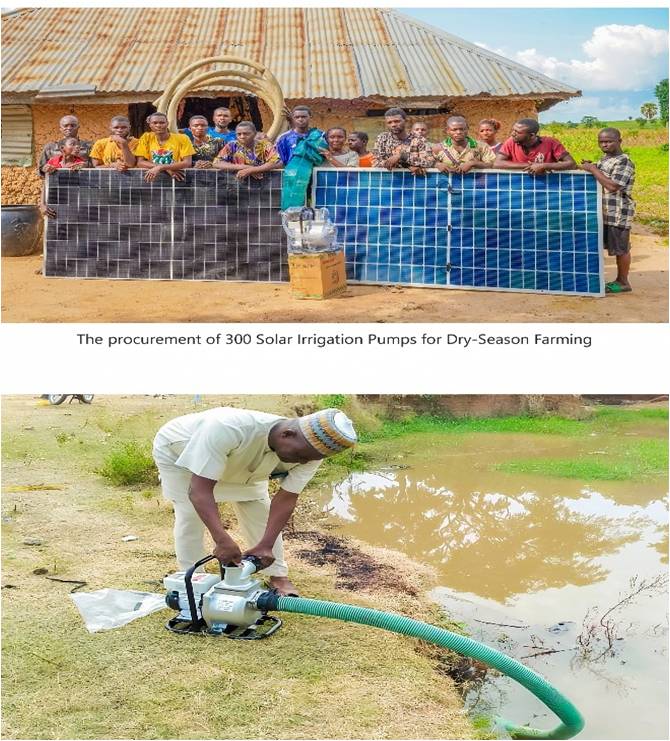
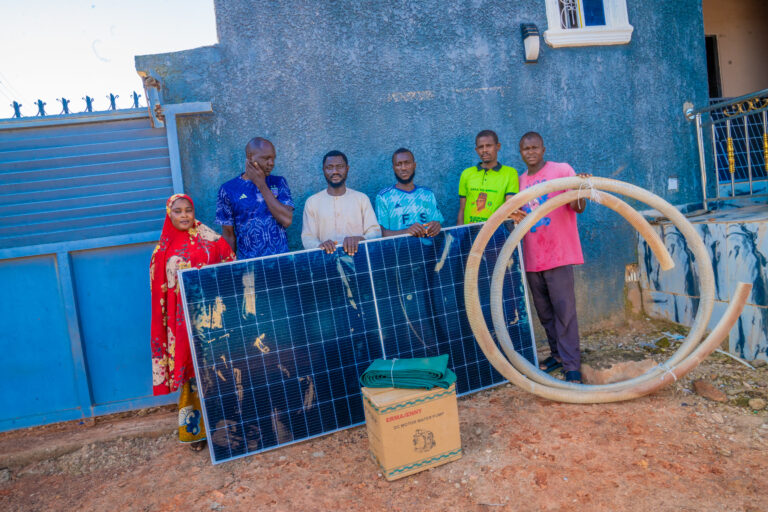
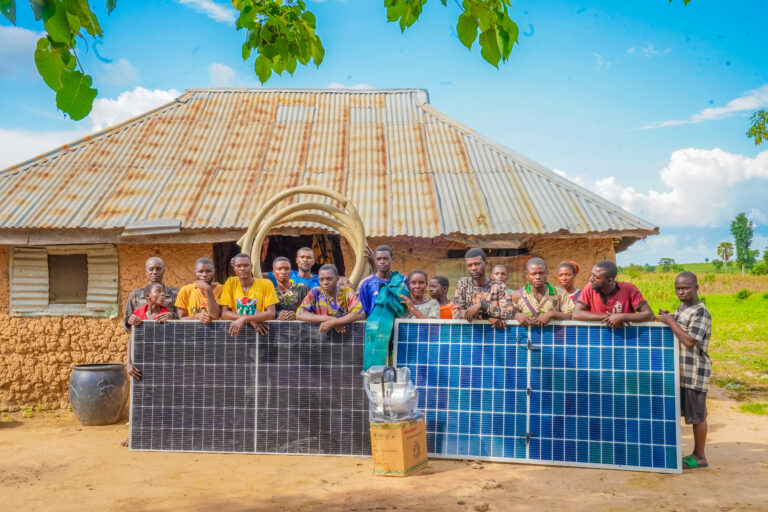
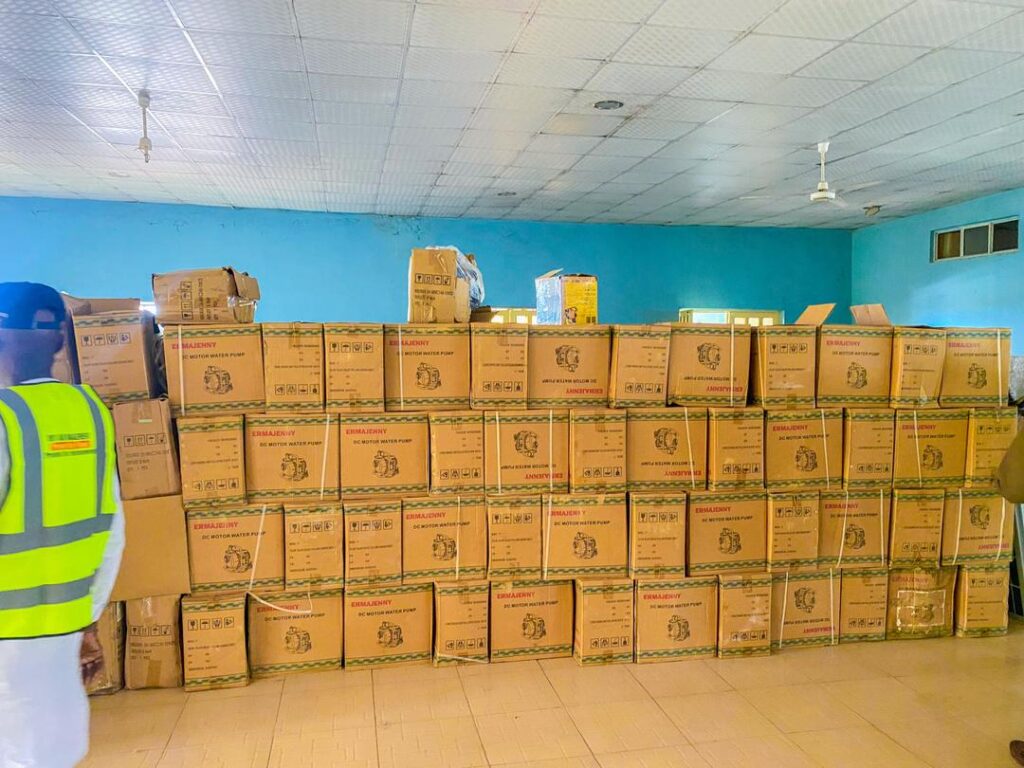
  5. 300 Solar powered irrigation pumps,
  6. 3,000 Organic Fertilizers,
  7. Rain boots,
  8. Hand gloves,
  9. Face masks
  10. Sprayers,
  11. Overall jackets.

Revenue generated from different mechanization group is ₦7,995,000 from difference mechanized group from 13 LGA’s

DISTRIBUTION OF 25No. TRACTORS

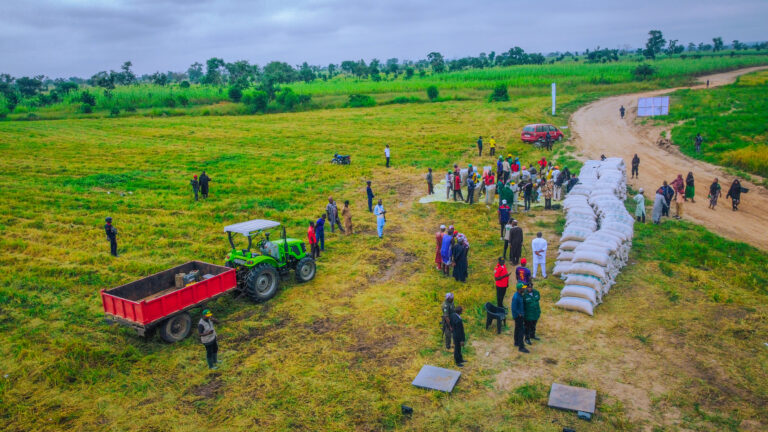
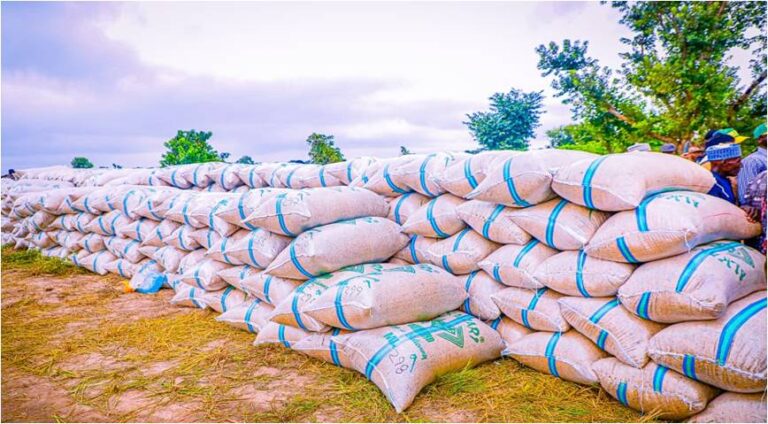
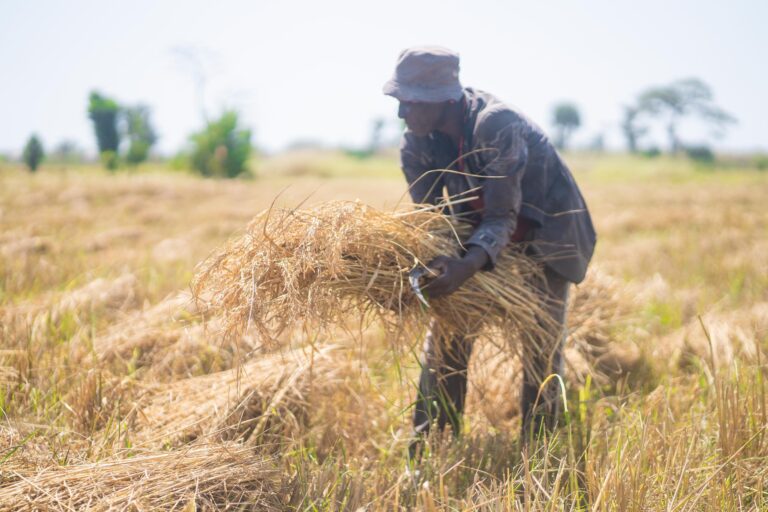
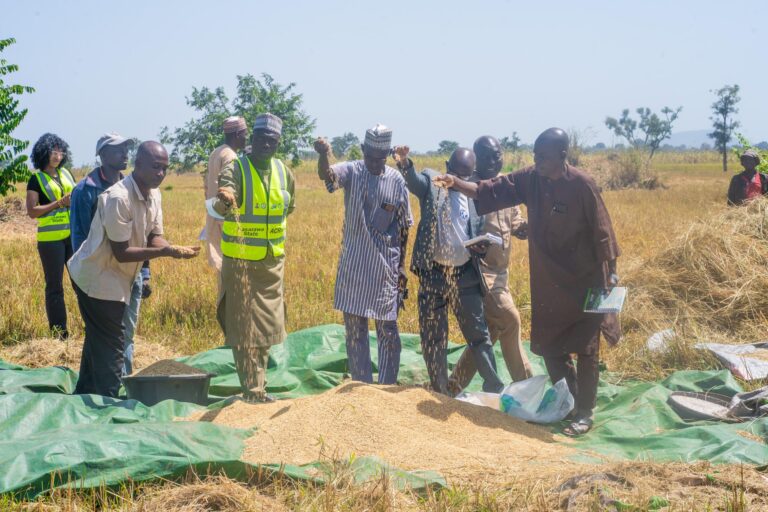
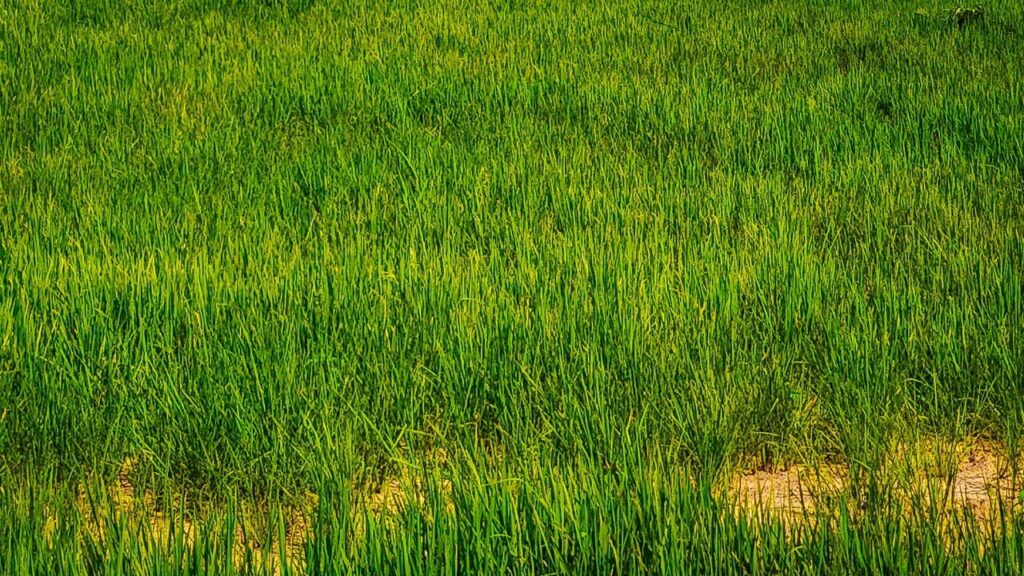
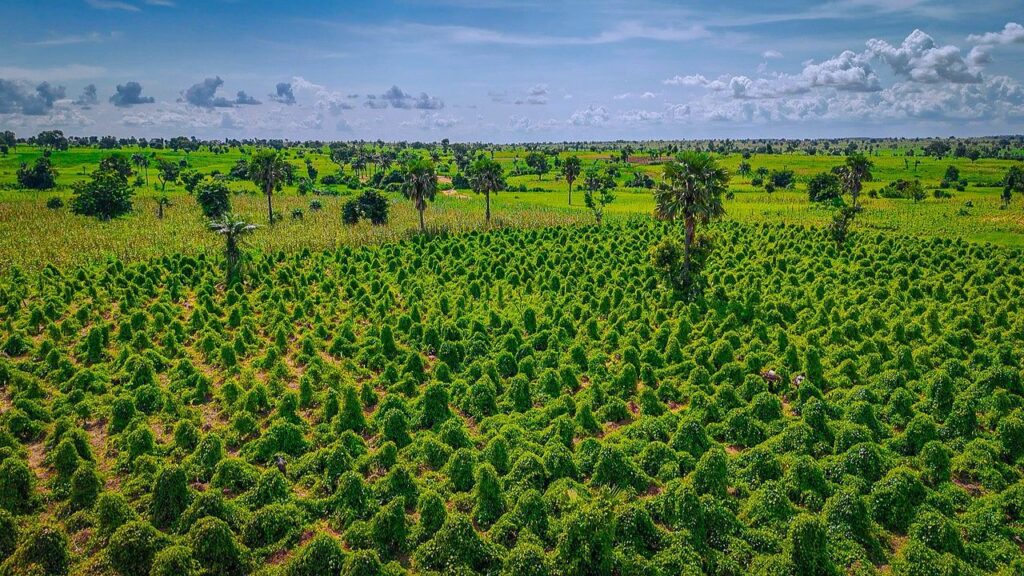
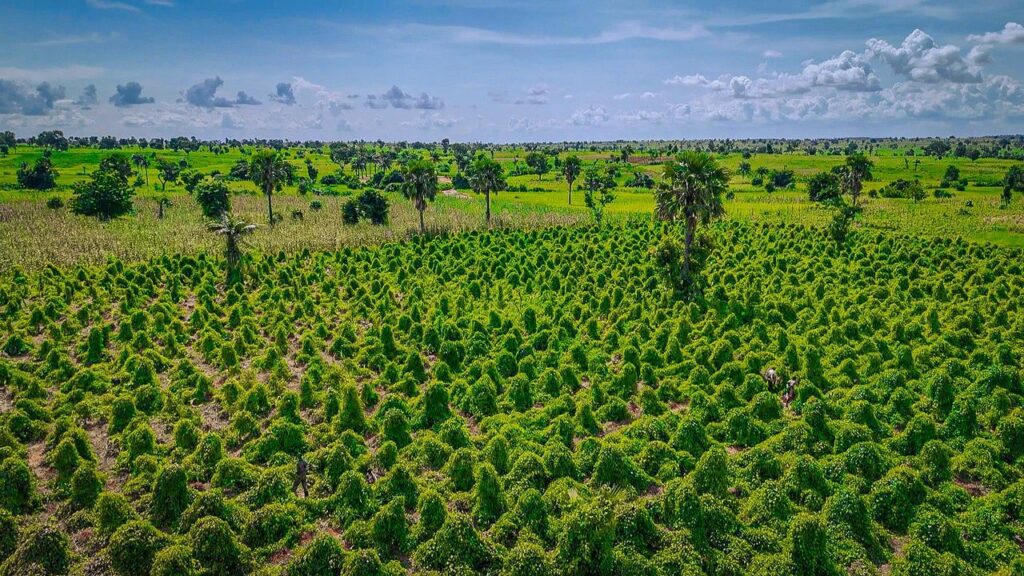
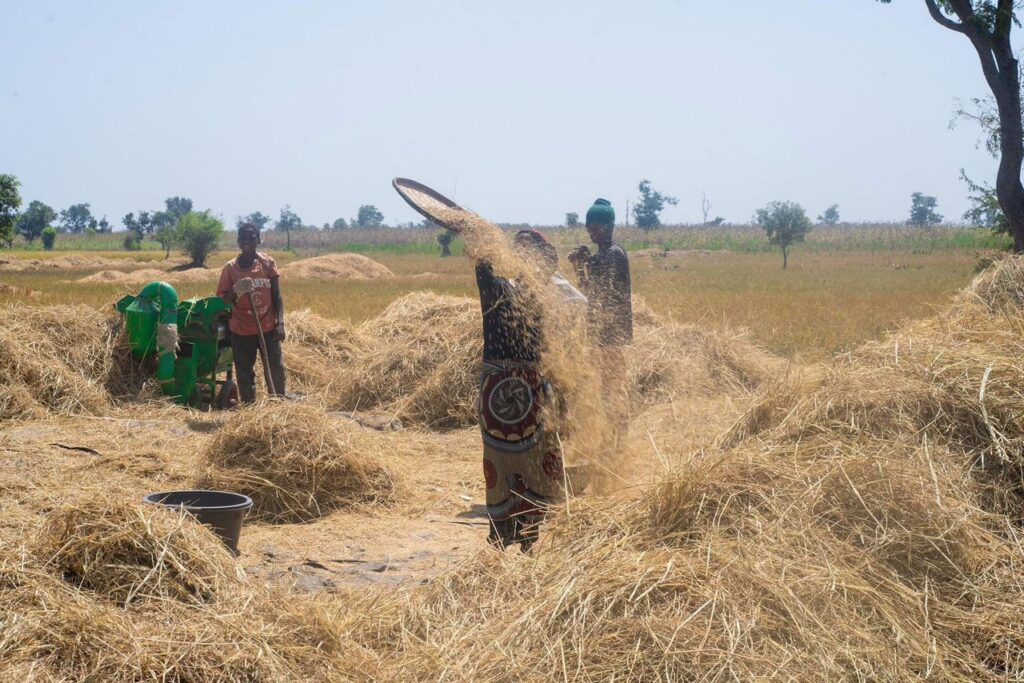
Our tractor at Nasarawa State Jankwai farms where 33,000 bags of Rice were Harvested
33,000 bags of Rice were Harvested

DISTRIBUTION OF AGRICULTURAL INPUTS

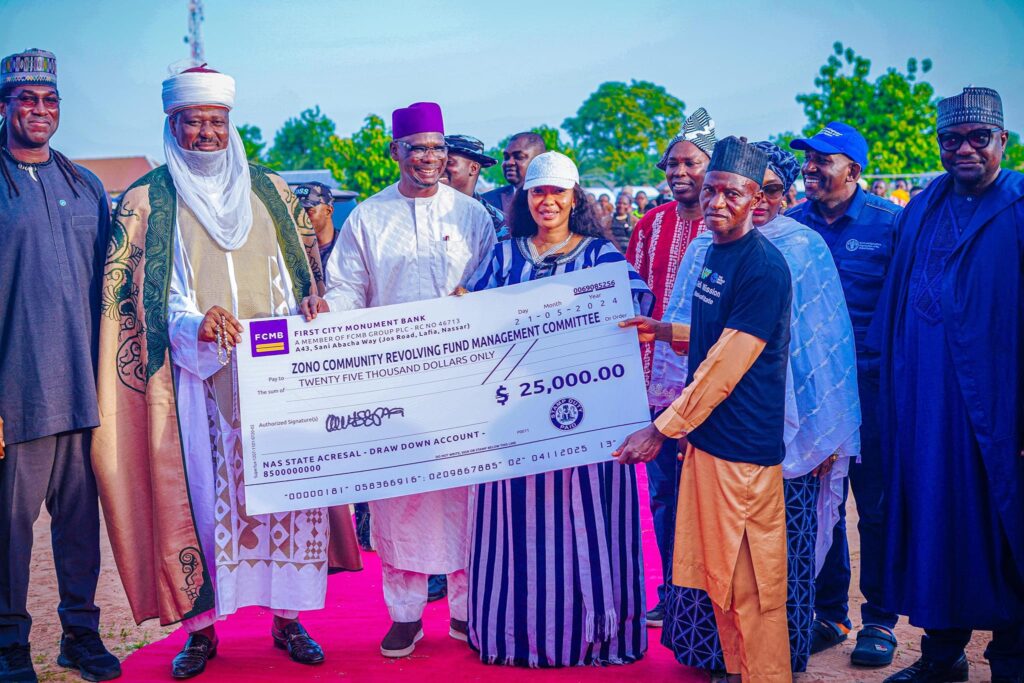
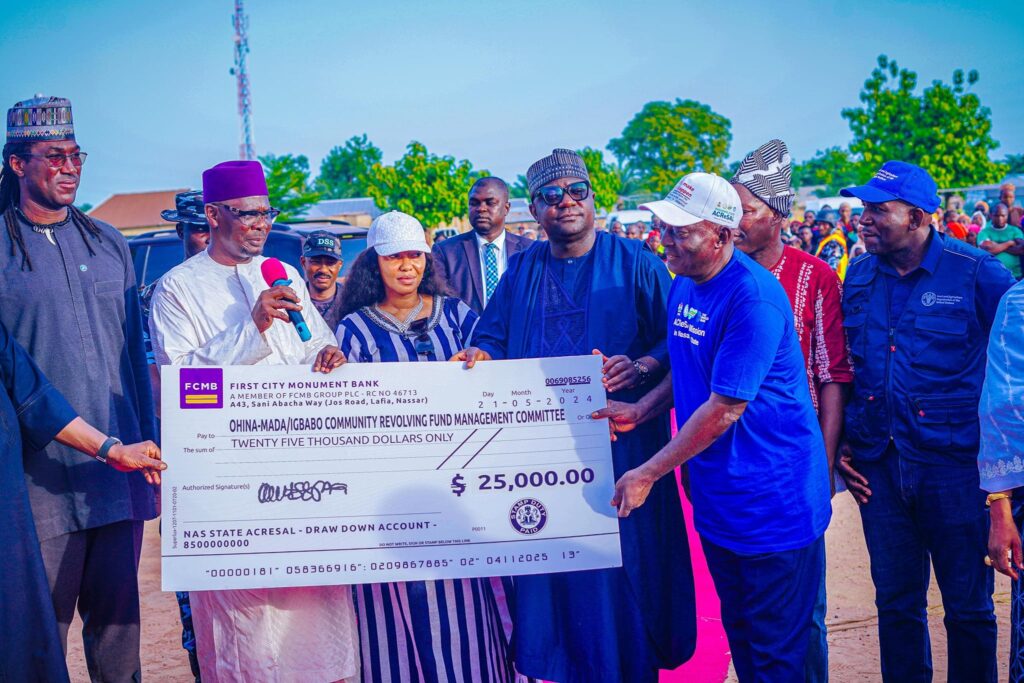
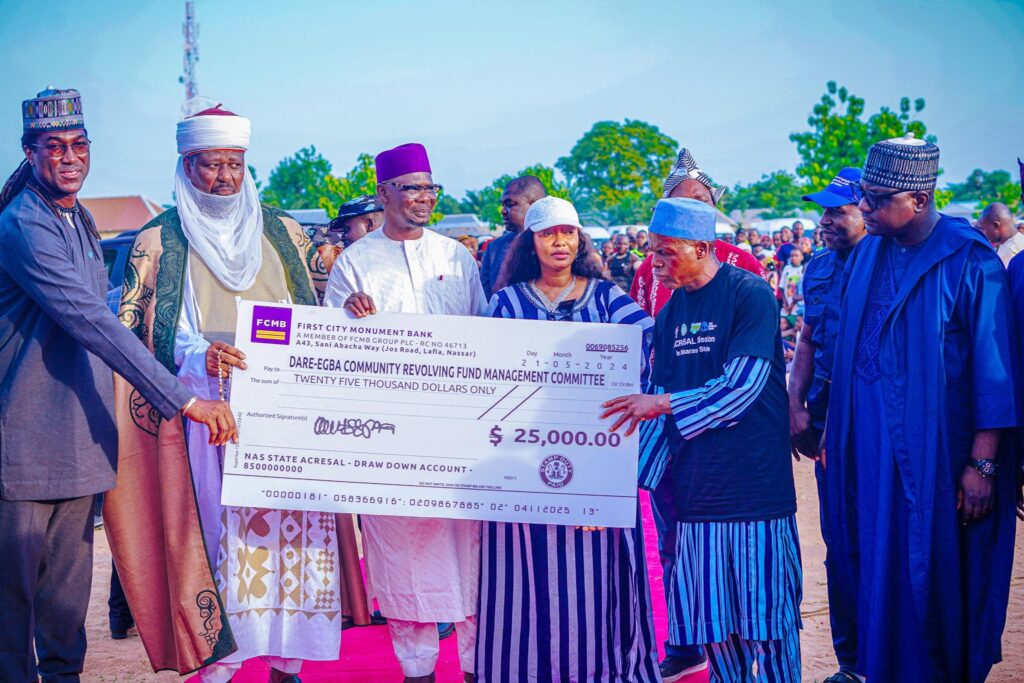
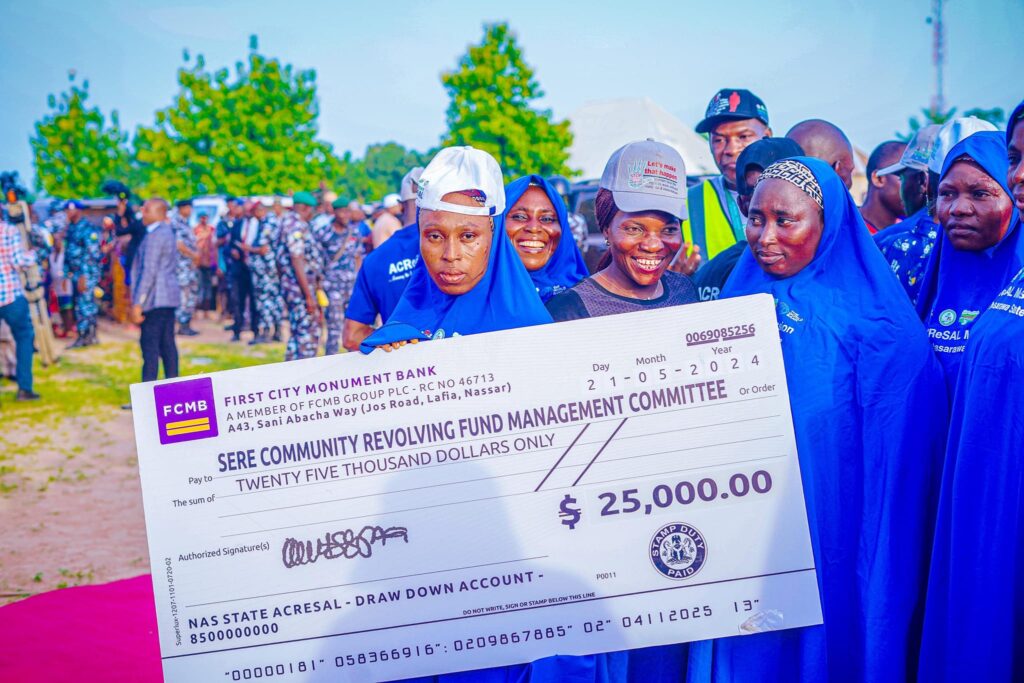
CRF DISBURSEMENT

A total of 33 Community Interest Groups (CIGs), consisting of 394 men and 282 women,

 were trained for Community Revolving Fund (CRF) implementation.
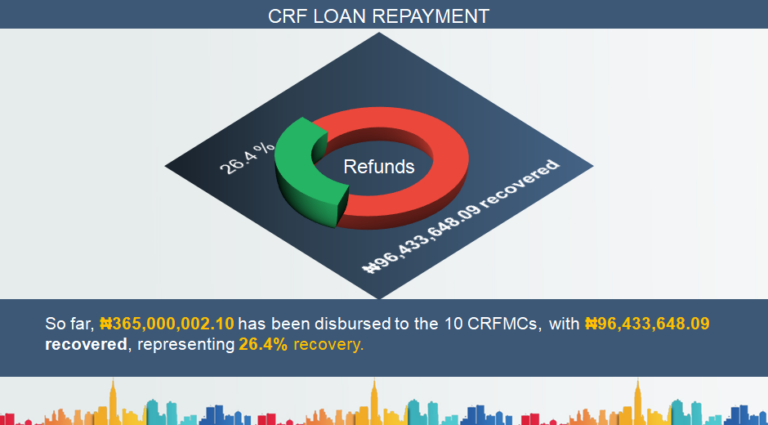
Each of the 10 Community Revolving Fund Management Committees (CRFMCs) received a $25,000 soft loan

to support climate-friendly agricultural investments.

The intervention has contributed to:

  • Increased food security and income stability for farmers.
  • Strengthened rural economies through climate-smart agriculture.
  • Enhanced overall food security and livelihoods.

IMPACT OF THE CRF

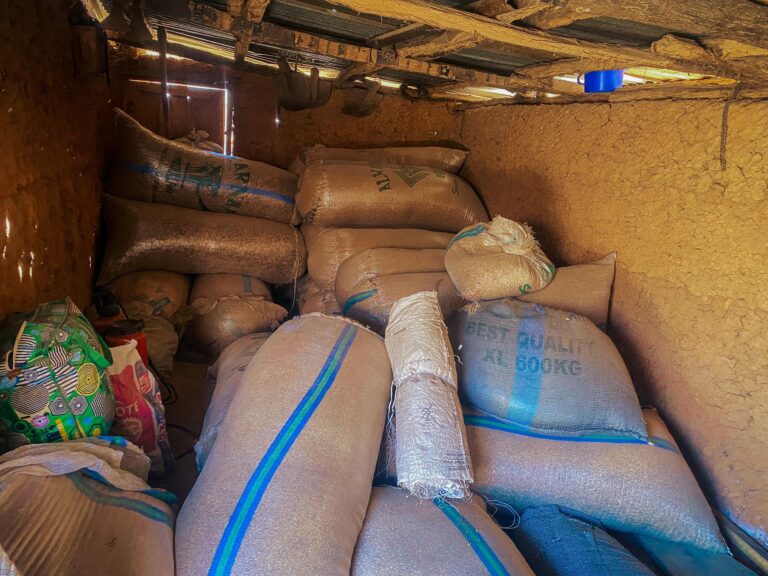
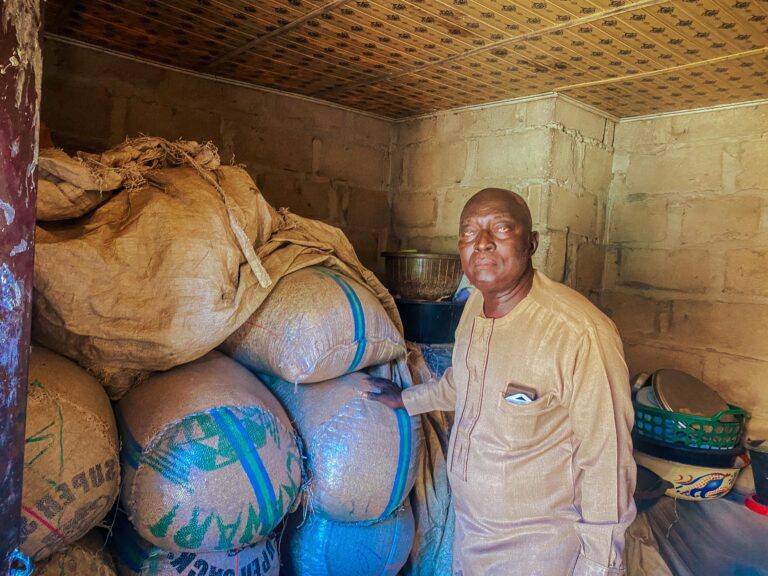
  • Mr. Namu’s Farm; a beneficiary of Community Revolving Fund (CRF) Loan under the ACReSAL Project Harvested 15 bags of rice compared to his 2 bags.
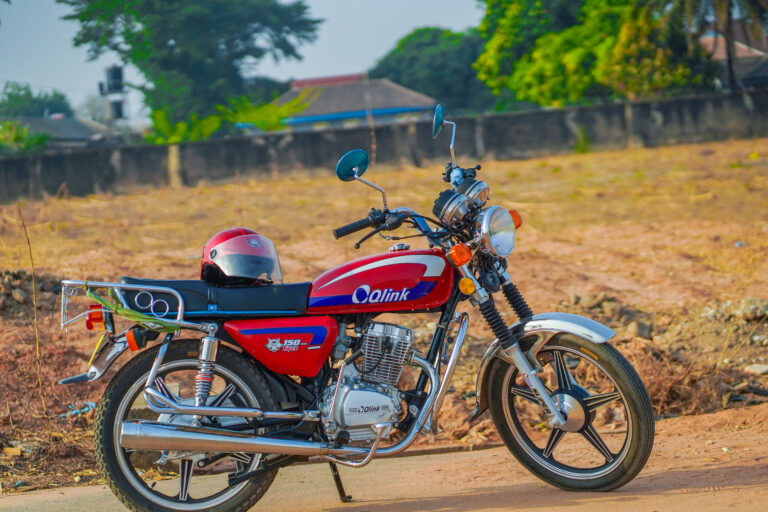
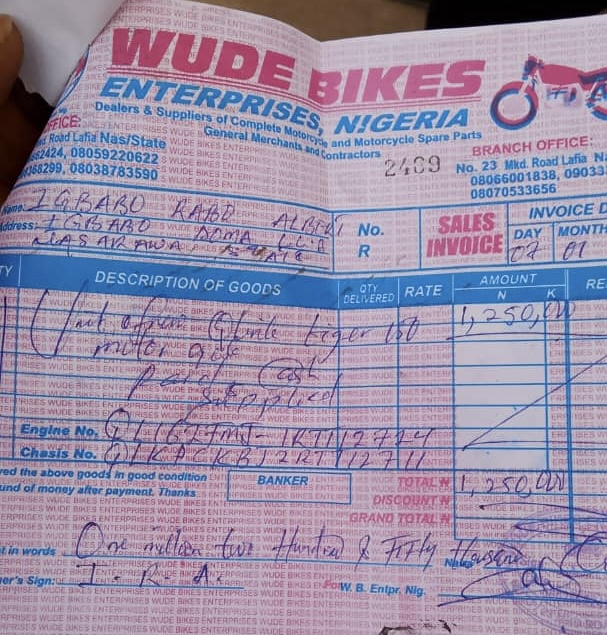
  • Mr. Albert procured a motorcycle worth 1.3M for the transportation through

 the income from his harvested   crops

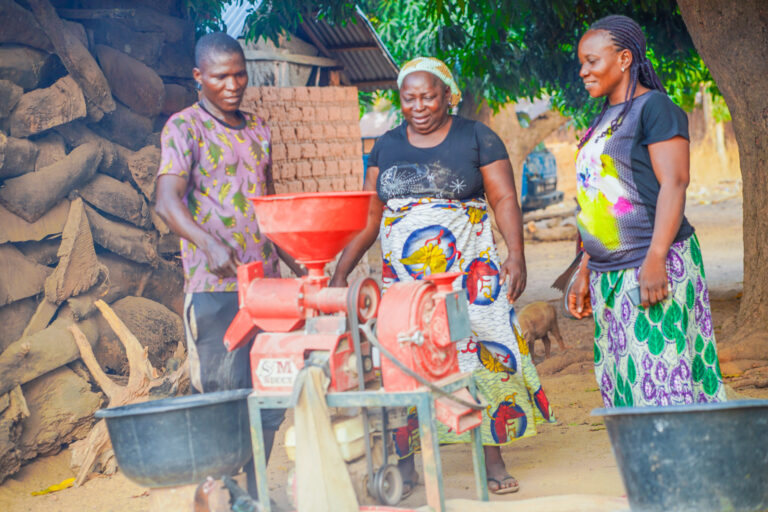
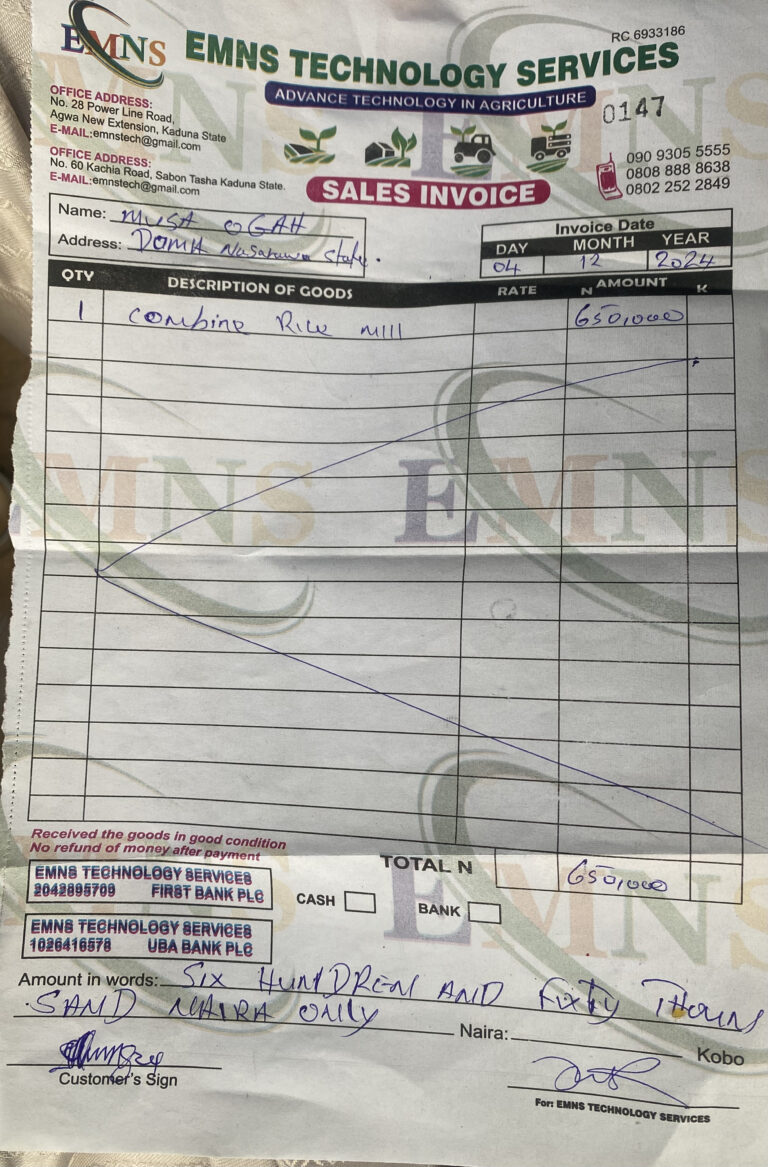
  • Mr. Musa, a beneficiary of CRF loan procured a rice milling machine to ease the hardship of women taking farm produce to Lafia for milling

CRF LOAN REPAYMENT

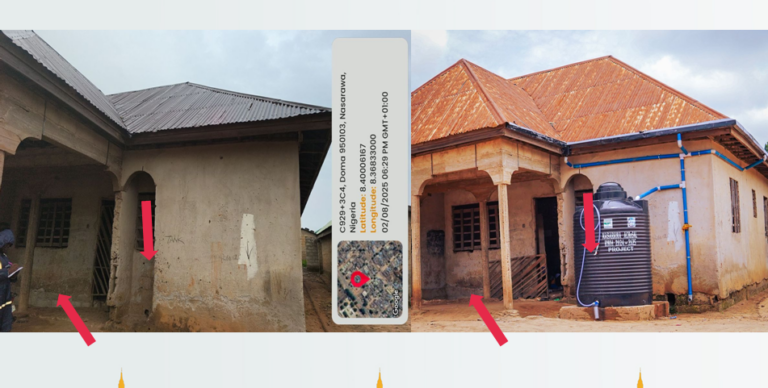
RAIN WATER HARVESTING

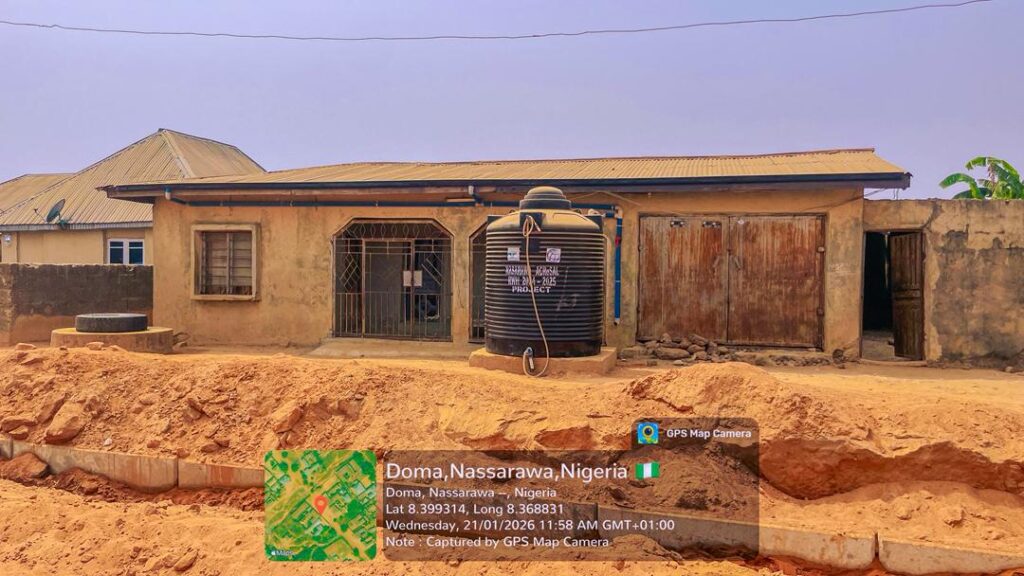
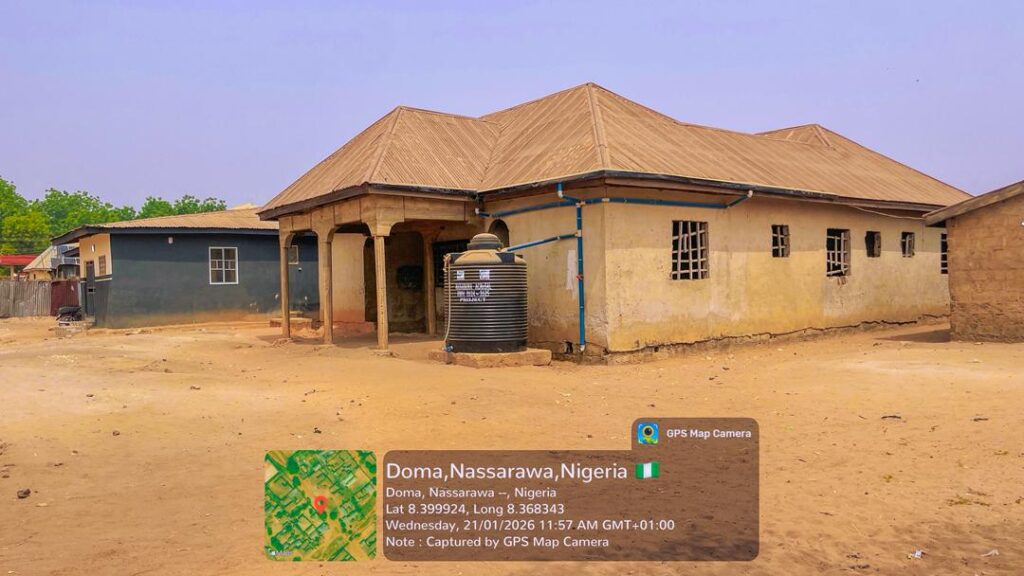
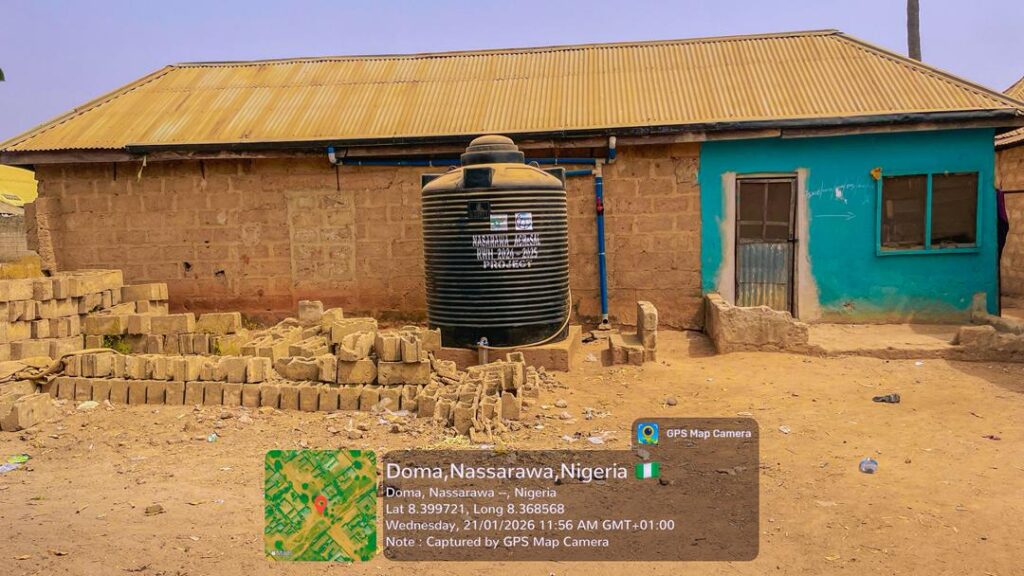
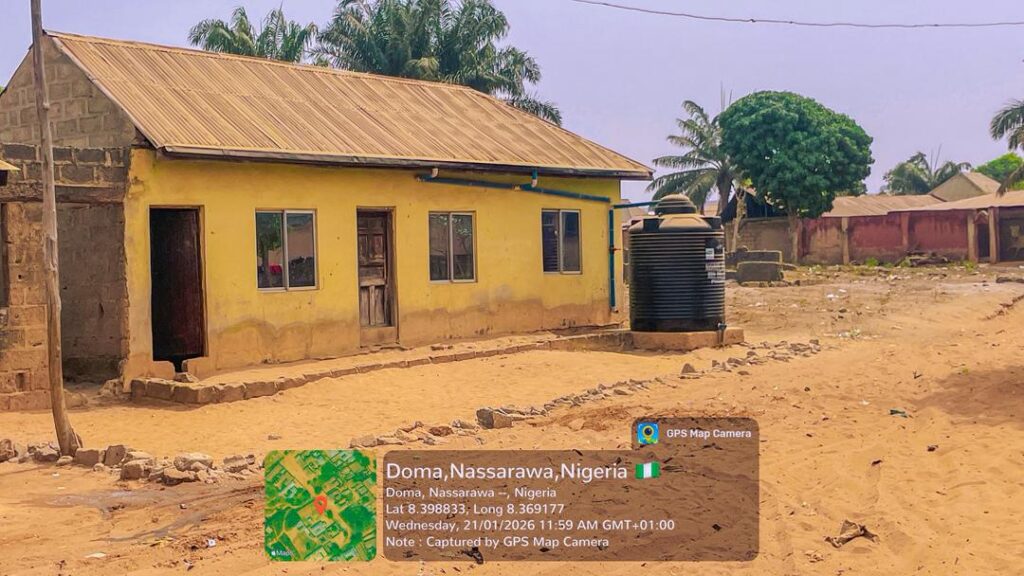
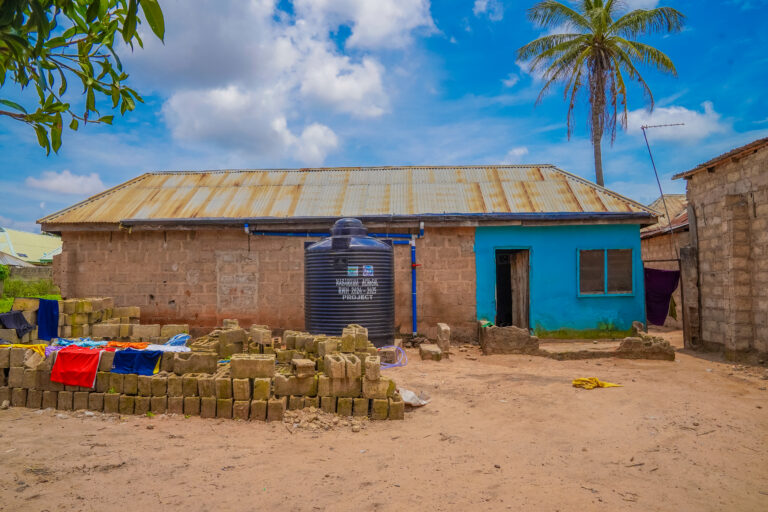
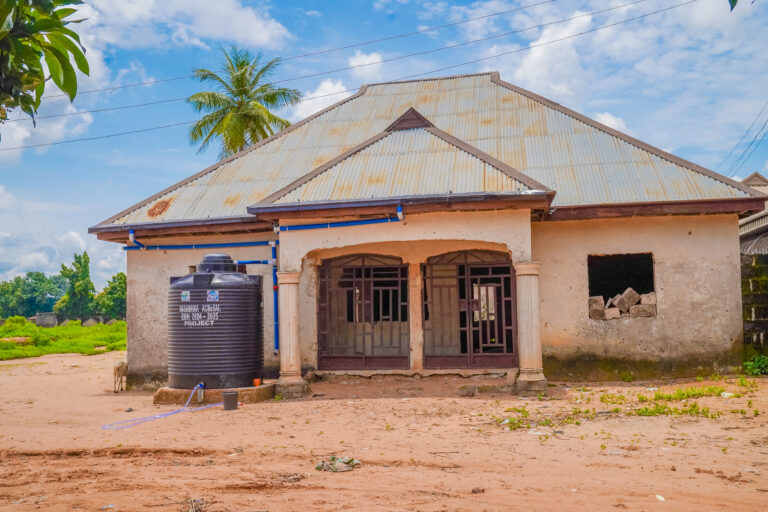
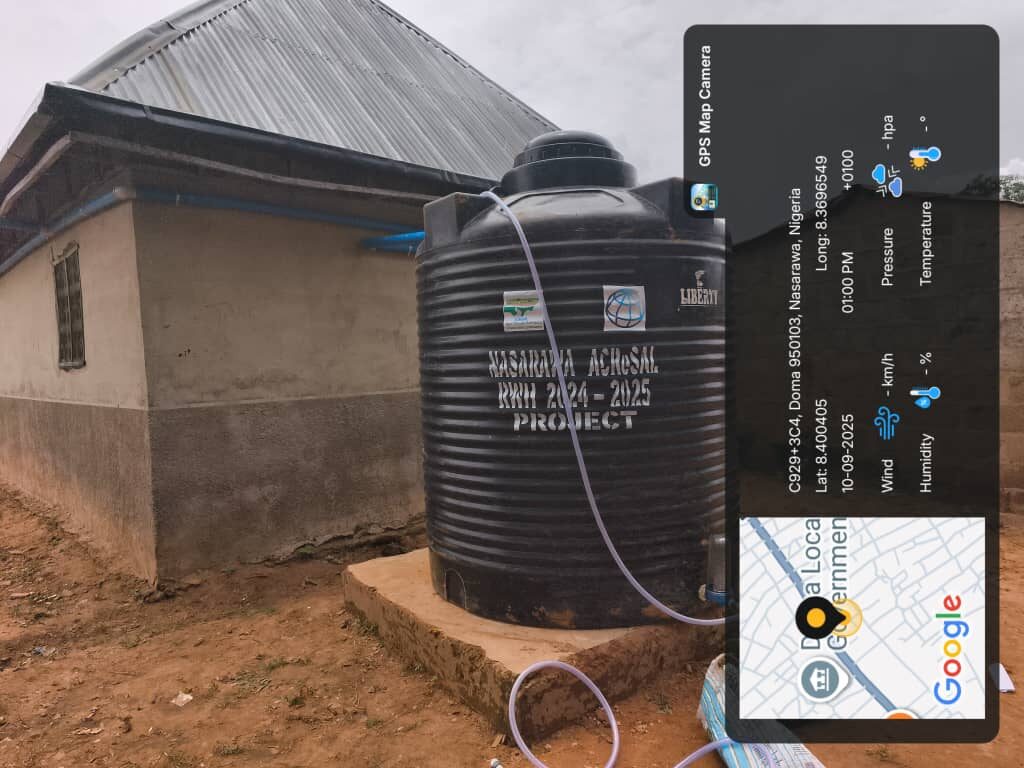
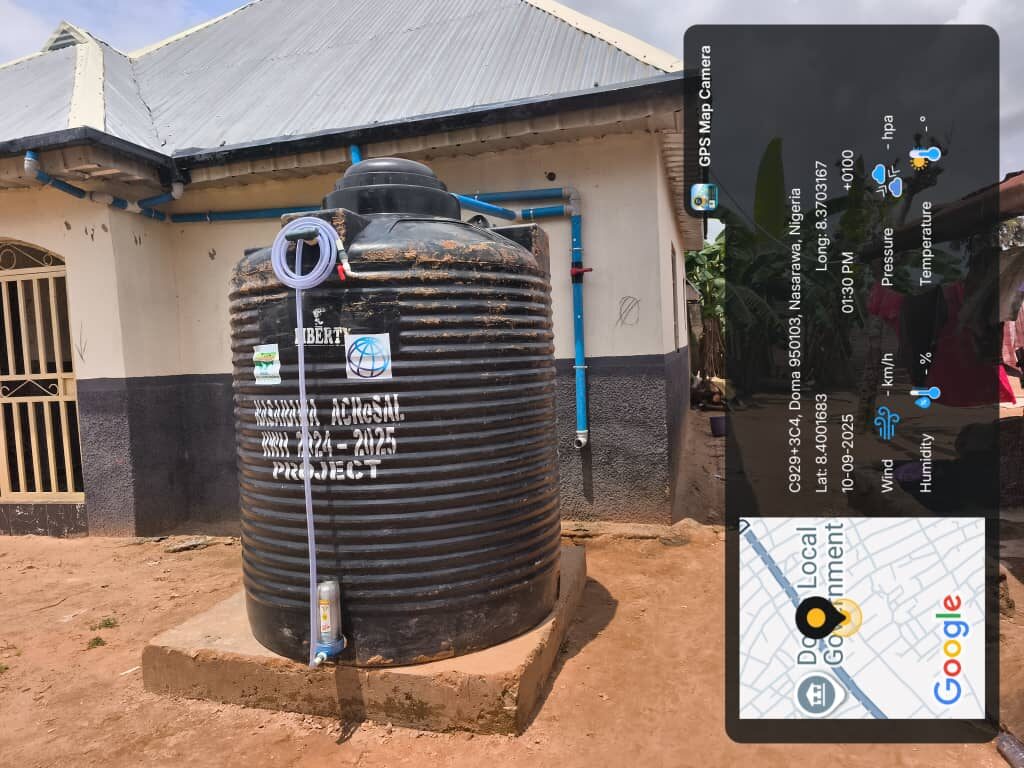
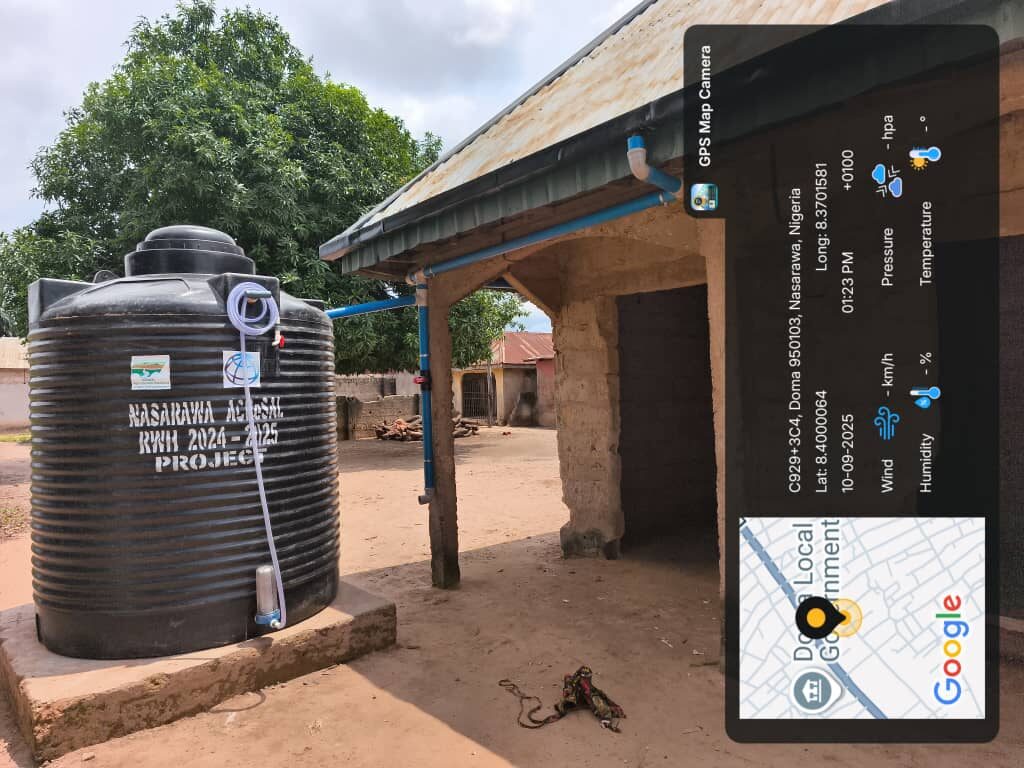
Rainwater: 700 Households benefited from Rainwater Harvesting in 13 LGAs of Nasarawa State.

It has a total capacity of 3,300 cubic meters and a total of 9,555 beneficiaries, of which 4,101 are male and 5,454 are female.