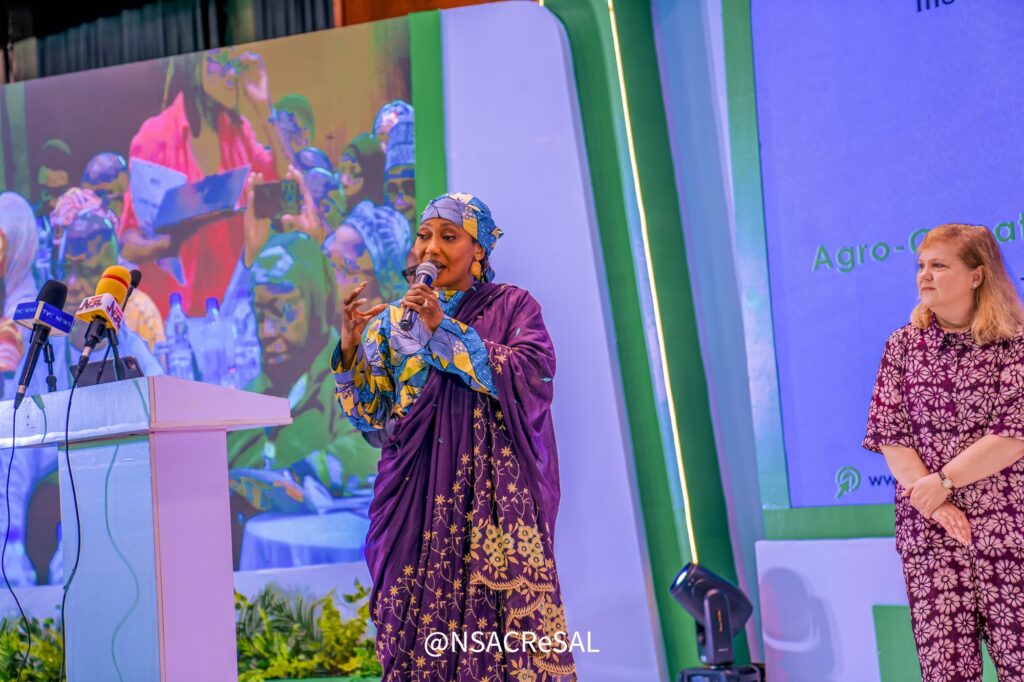
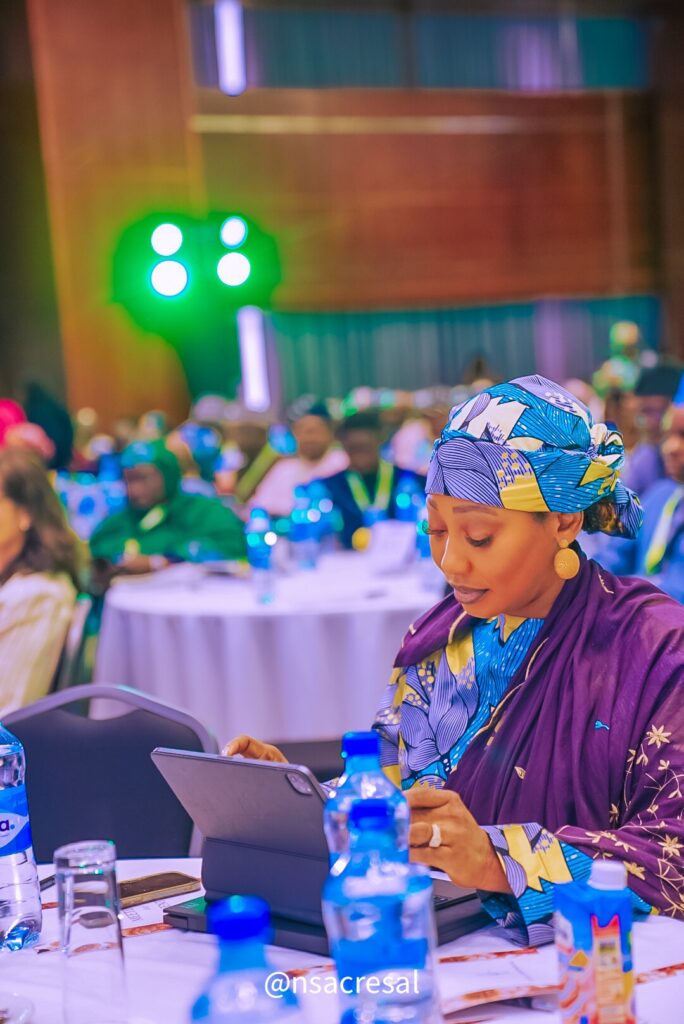
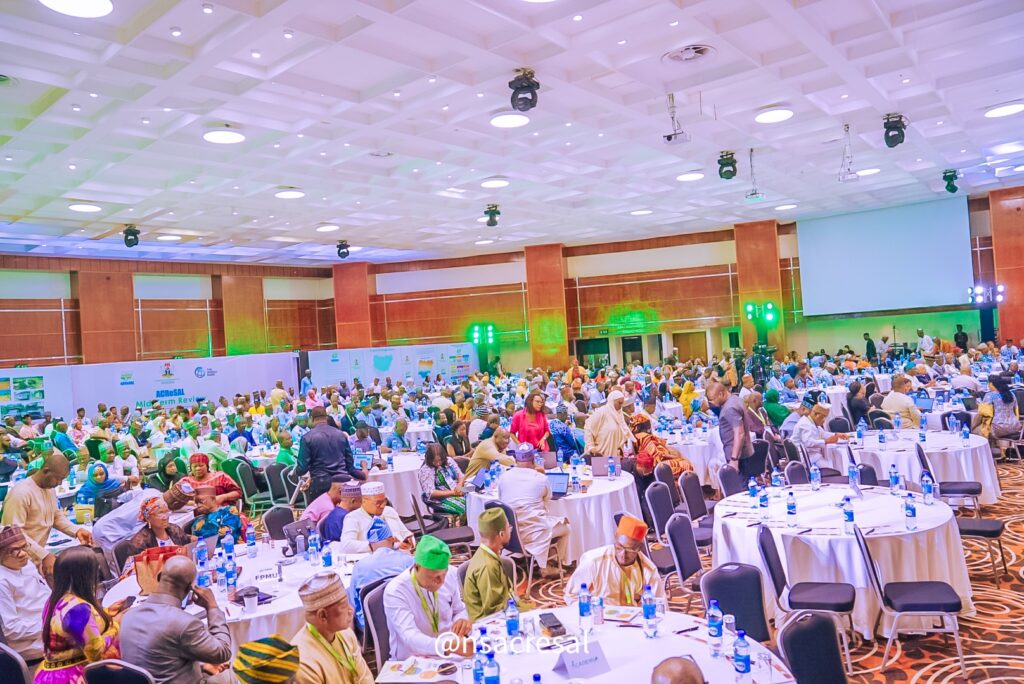
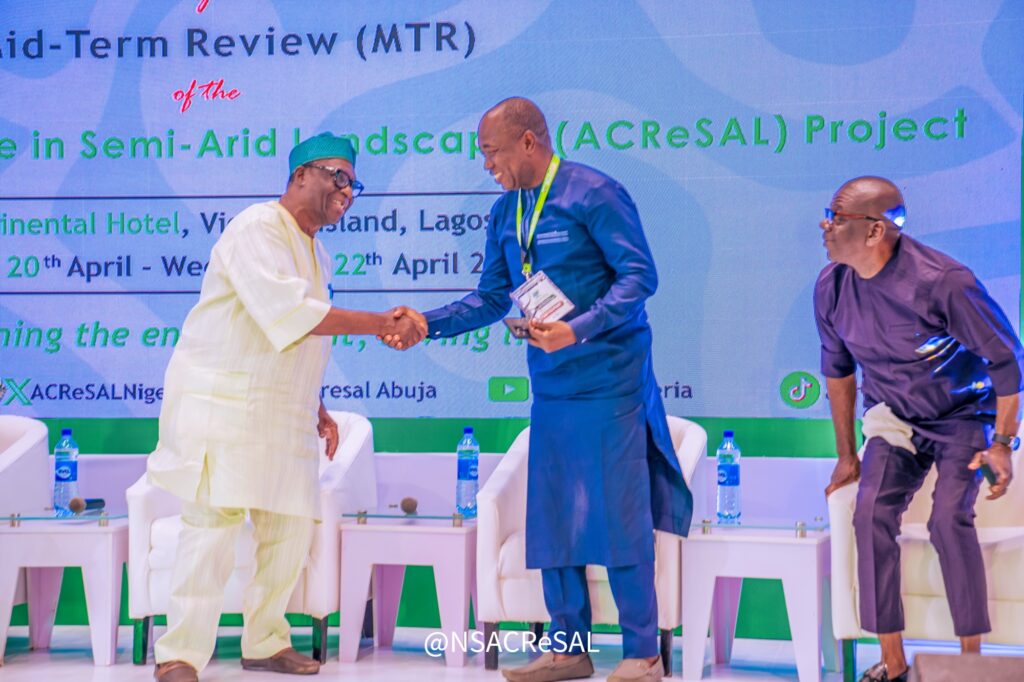
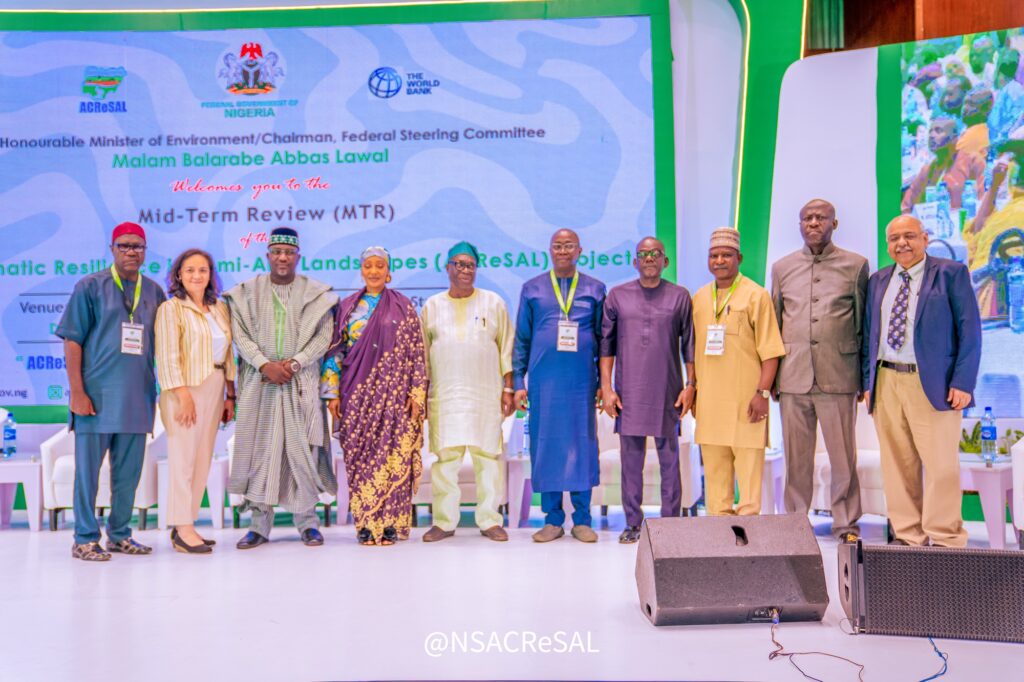
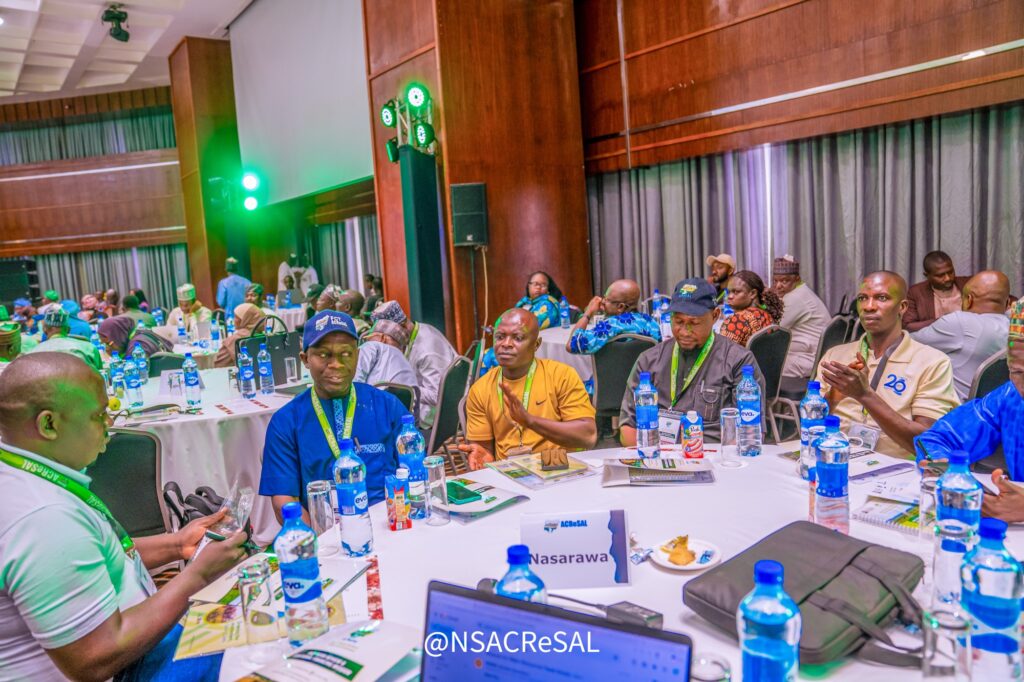
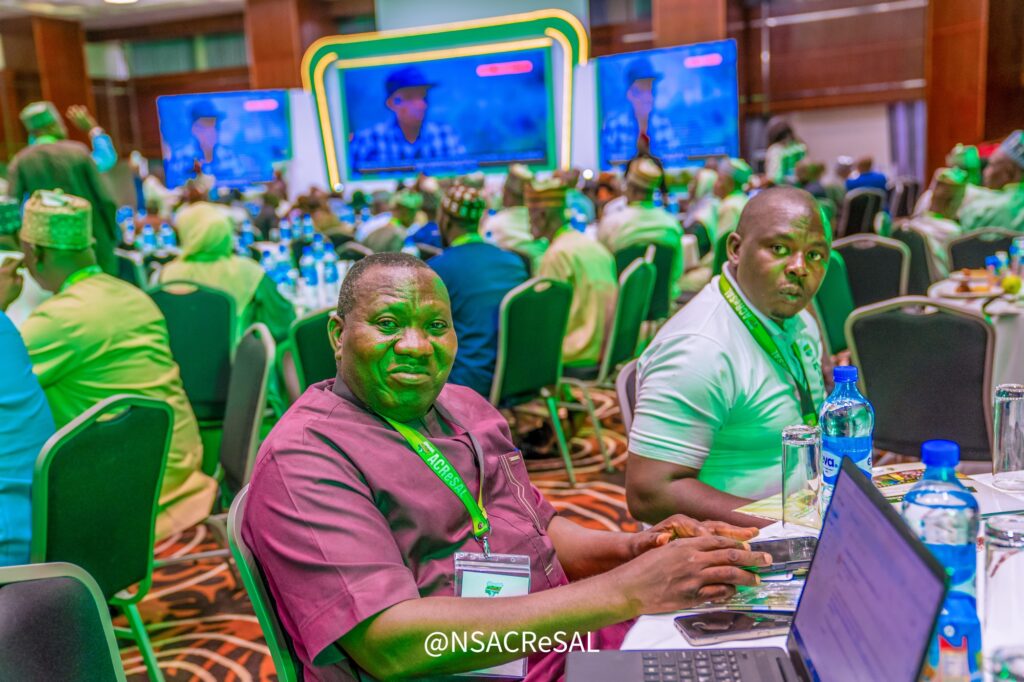
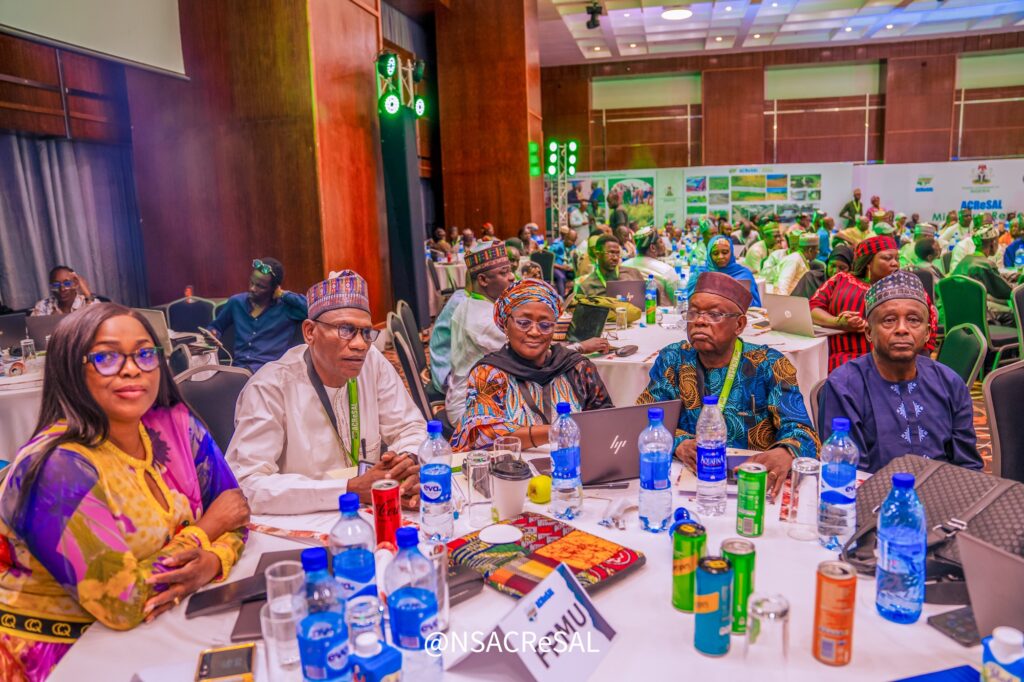
The Agro-Climatic Resilience in Semi-Arid Landscapes (ACReSAL) Project, Nigeria, on Monday continued its Mid-Term Review and Additional Financing Mission at the prestigious Lagos Intercontinental Hotel, bringing together key stakeholders from across the country.
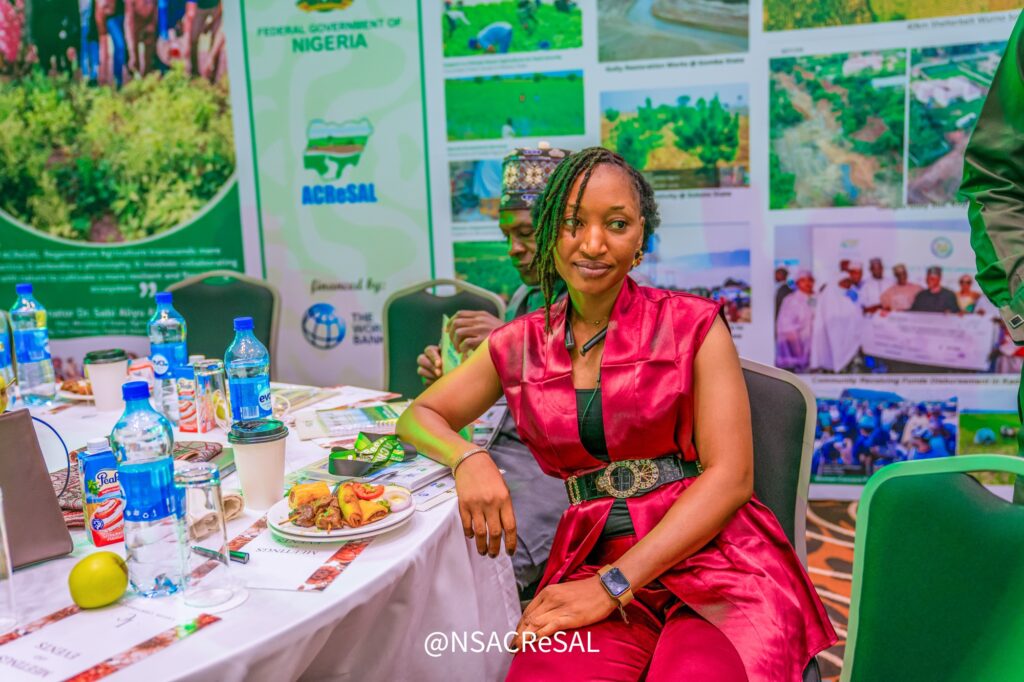
The review process, which commenced earlier in Abuja and extended to participating states, convened representatives from all 19 ACReSAL states and the FCT, alongside the World Bank team, federal and state MDAs, development partners and members of the academia. The mission aims to evaluate the project’s impact and achievements since inception, while assessing eligibility for additional funding based on performance outcomes.
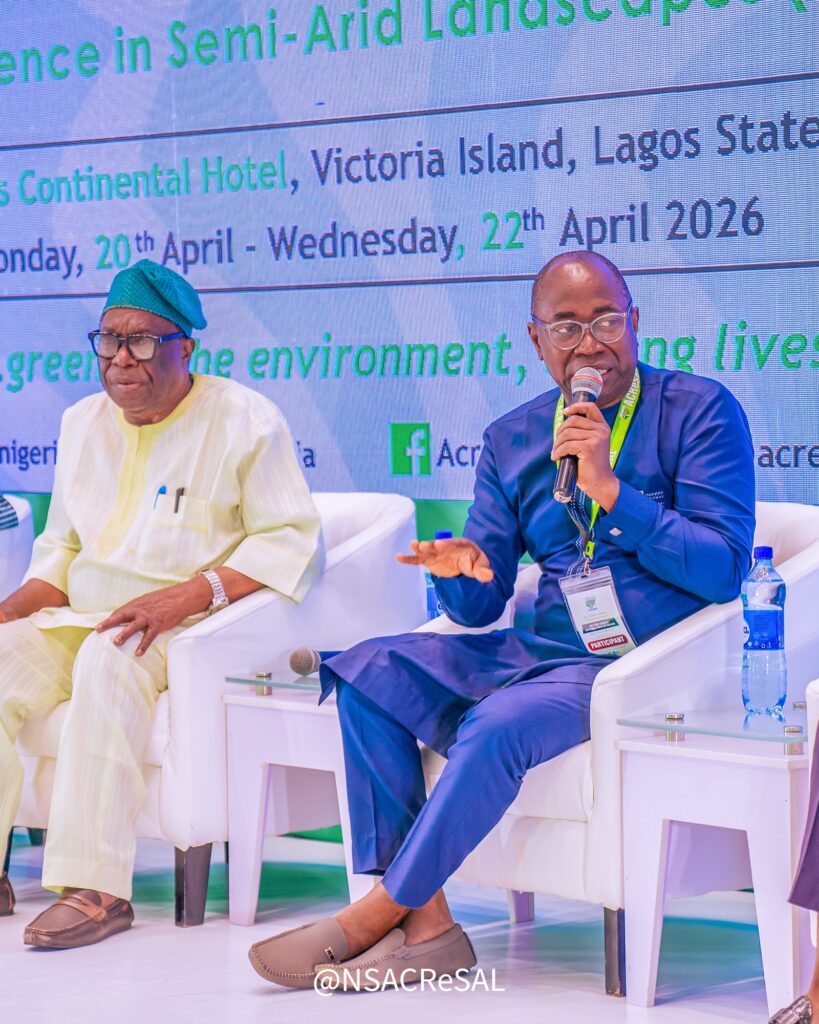
In his opening remarks, the National Project Coordinator, Abdulhamid Umar, noted that the Lagos session represents the fourth phase of the nationwide review exercise, following earlier engagements in Kaduna and Katsina. He explained that the process will ultimately conclude in Abuja.
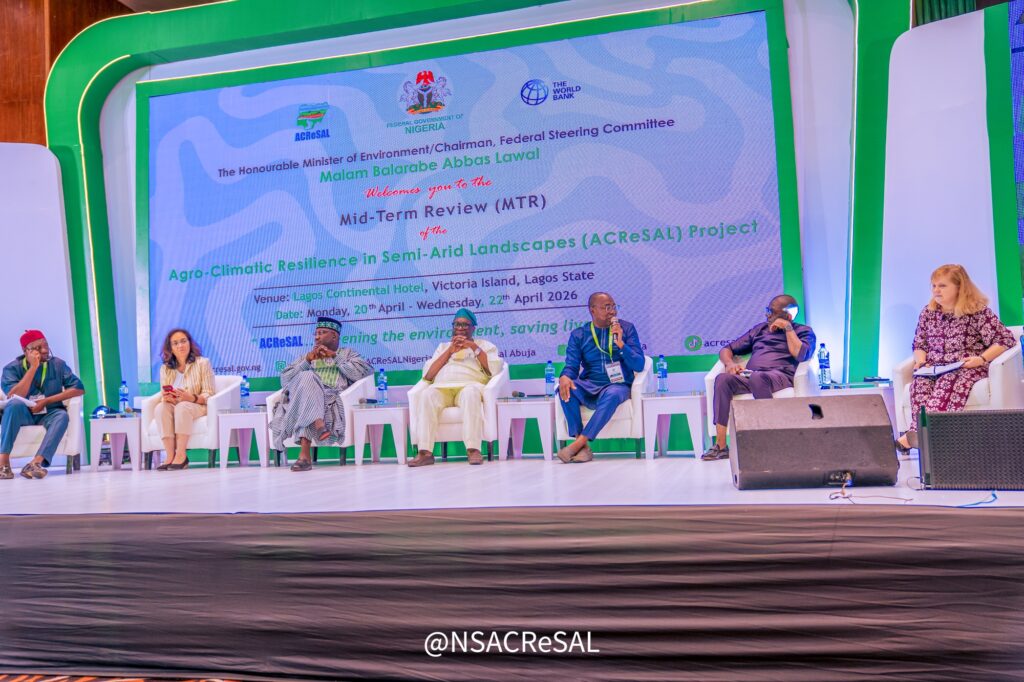
He emphasized that the review provides an opportunity for the World Bank and federal teams to objectively assess state level performance using evaluation reports already compiled by independent consultants. He urged participants to remain focused, actively engaged and committed to productive deliberations throughout the mission.
Also speaking, the ACReSAL Task Team Leader, Dr. Iganya Joy Agene, described the project as a vision that has evolved into a tangible success story. She revealed that ongoing assessments indicate that ACReSAL has not only met but exceeded expectations, particularly in landscape restoration and other critical components.
Dr. Agene clarified that the core objective of the mission is to critically review project activities from inception and determine the readiness of participating states to access additional financing. She commended the World Bank team for its unwavering technical and institutional support, which has been instrumental in driving the project’s progress.
Expressing appreciation to the broader project team, she highlighted the strong collaboration between federal and state governments as a cornerstone of ACReSAL’s success. According to her, the project has fostered a unified and effective institutional framework across the 19 northern states and the FCT, strengthening collective action in addressing environmental degradation and promoting sustainable land management.
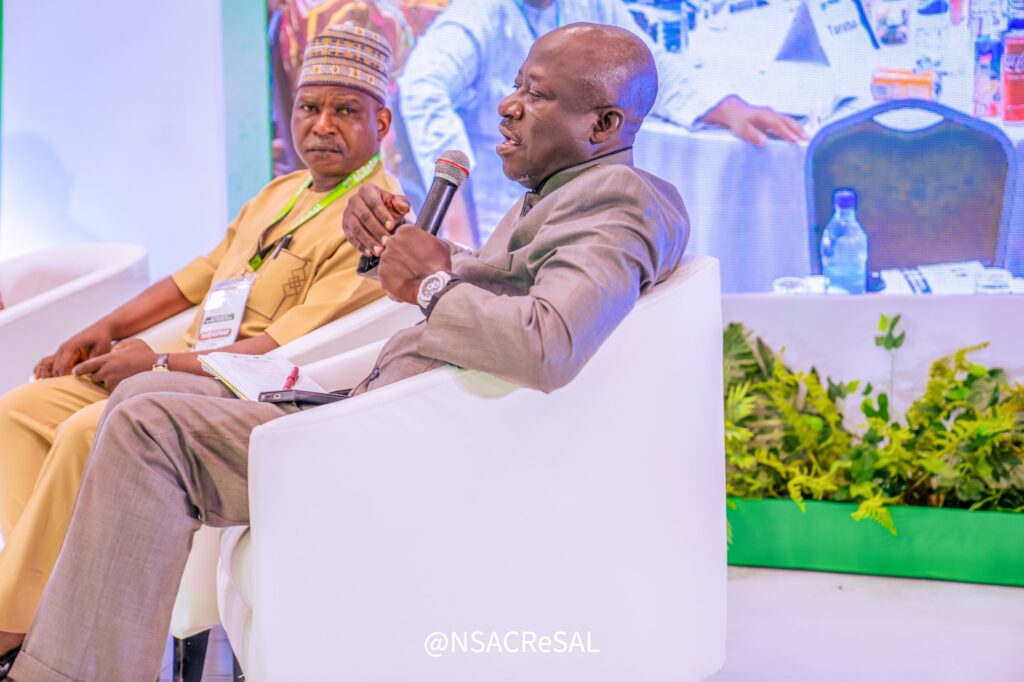
She further underscored the importance of the Mid-Term Review as a strategic tool for evaluating project development objectives (PDO), identifying gaps, and implementing necessary adjustments. Providing insight into the project structure, she explained that Component A focuses on environmental restoration, while Component B targets livelihoods and community resilience both of which have recorded significant impact and widespread acceptance across Nigeria.
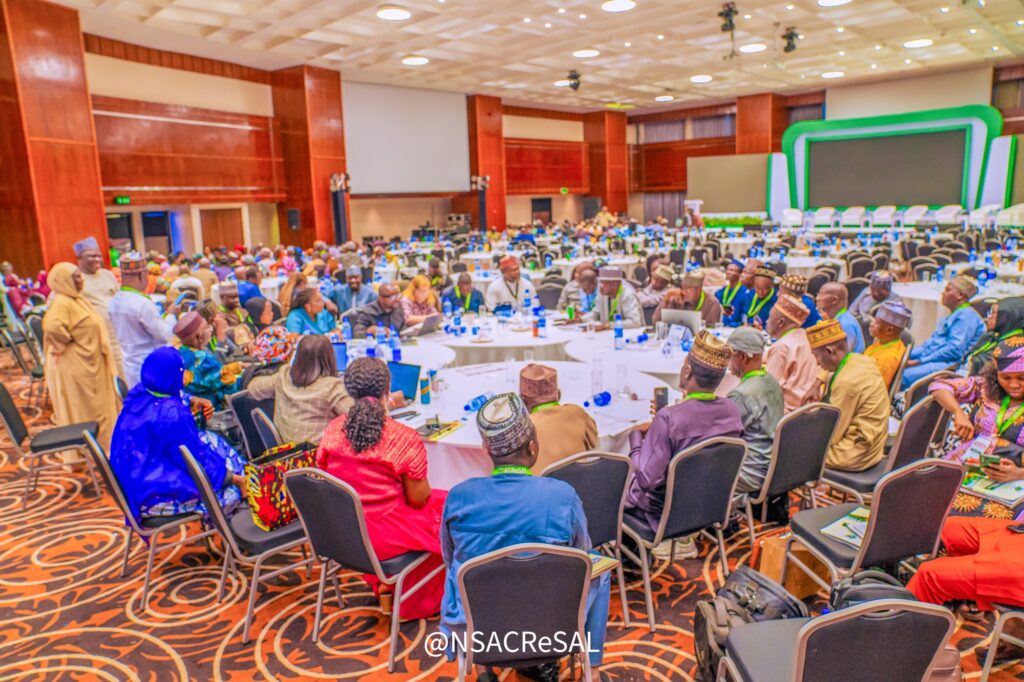
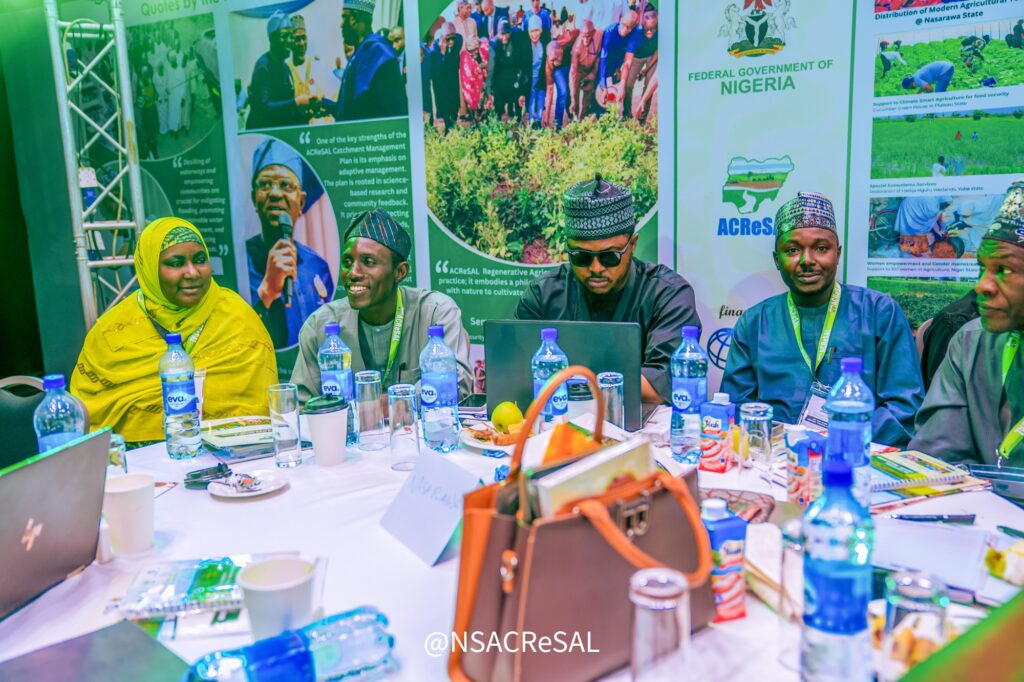
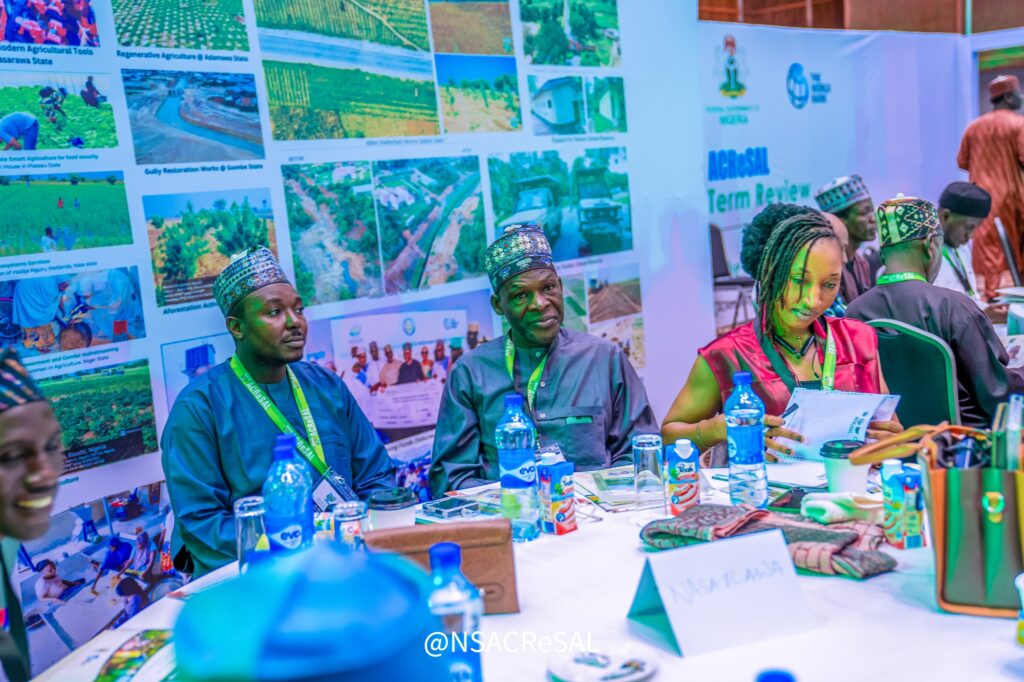
Meanwhile, the ACReSAL team from Nasarawa State has remained actively engaged in the review process, presenting evidence based outcomes of project implementation within the state. The delegation led by the State Project Coordinator, Dr. Elias Gyobe Napoleon, alongside other key stakeholders.
As the review progresses, stakeholders remain optimistic that the outcomes will not only consolidate the gains recorded so far but also unlock additional financing to scale up interventions and deepen impact across participating states.
ACReSAL: Greening the Environment, Saving Lives!!
Communications
NS-ACReSAL
20th April, 2026.