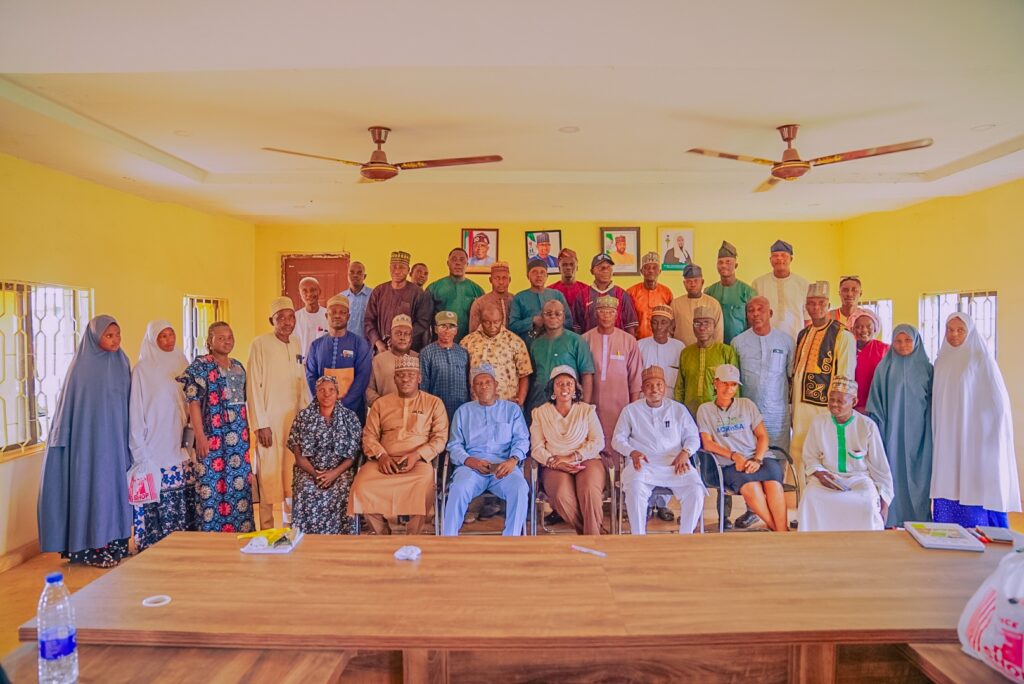
The Nasarawa State Agro-Climatic Resilience in Semi-Arid Landscapes(ACReSAL) Project has commenced a step-down training programme in collaboration with the Food and Agricultural Organization aimed at strengthening value chain development for Non-Timber Forest Products (NTFPs).
The training brought together stakeholders from forest-dependent communities, Ministries, Departments and Agencies (MDAs), cooperatives, non-governmental organizations and private sector actors across the state.

Designed to deepen participants’ understanding of non-timber forest products and their value chains, the programme focused on sustainable utilization, processing, packaging, marketing and income generation opportunities tied to forest resources within local communities.
Participants were drawn from the Western Senatorial Zone of Nasarawa State, including Keffi, Nasarawa, Toto and Karu Local Government Areas.
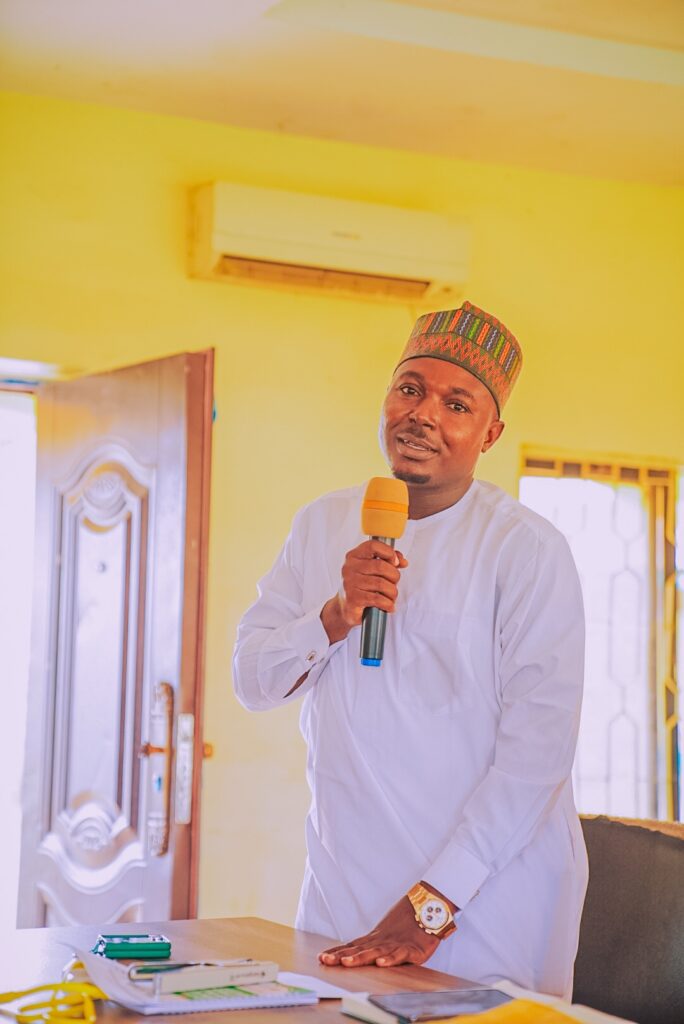
Declaring the training open, the Director General of the Nasarawa State Environmental and Waste Management Agency (NASEWMA), who also serves as the State Project Coordinator of ACReSAL, Dr. Elias Gyobe Napoleon who was represented by the Climate Change Officer, Mr. Abdullahi Yusuf Agwai encouraged participants to maximize the opportunity provided by the training to improve the quality, processing and packaging of their products in order to meet market standards and increase commercial value.
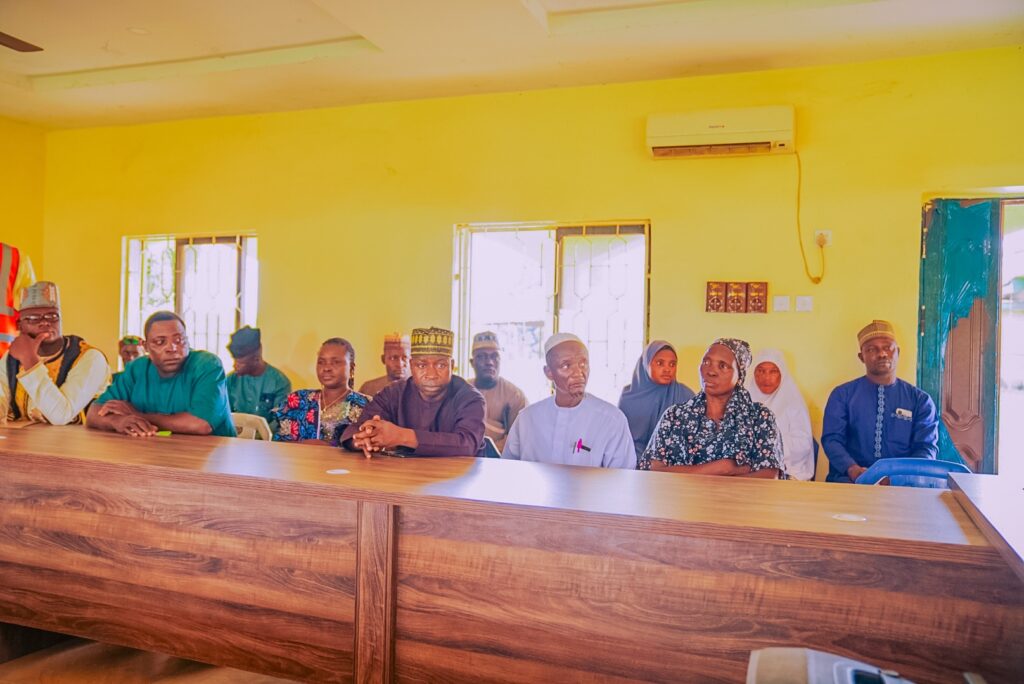
According to him, the training is expected to enhance the capacity of participating communities to effectively utilize non-timber forest products for both domestic and commercial purposes through modern and sustainable strategies that would be shared during the sessions.
He further provided an overview of the ACReSAL project and wished participants productive and impactful deliberations throughout the programme.
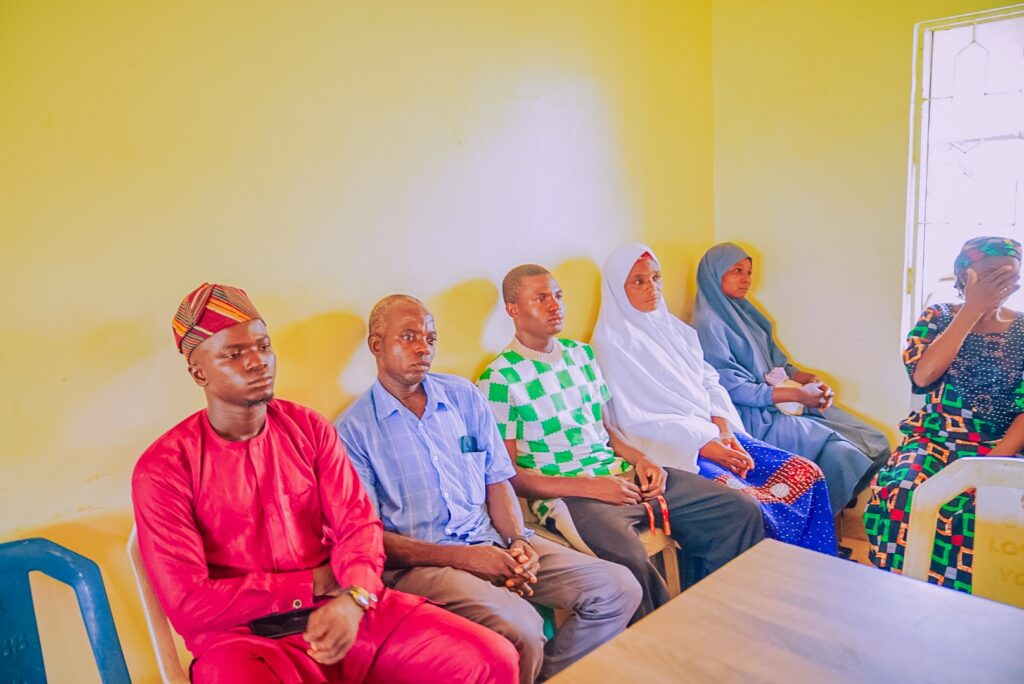
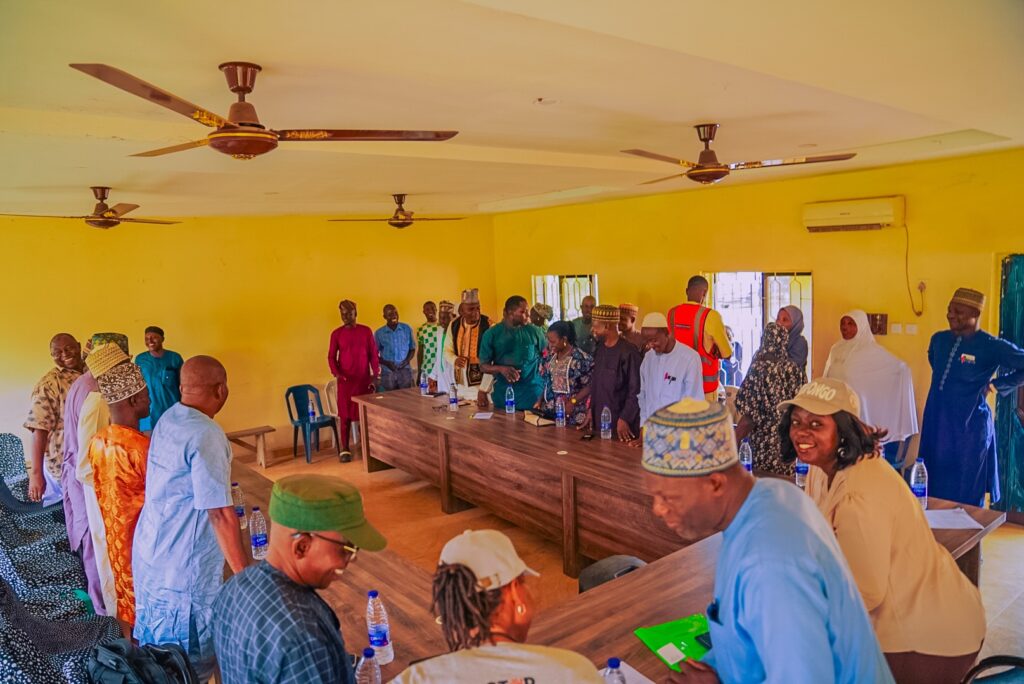
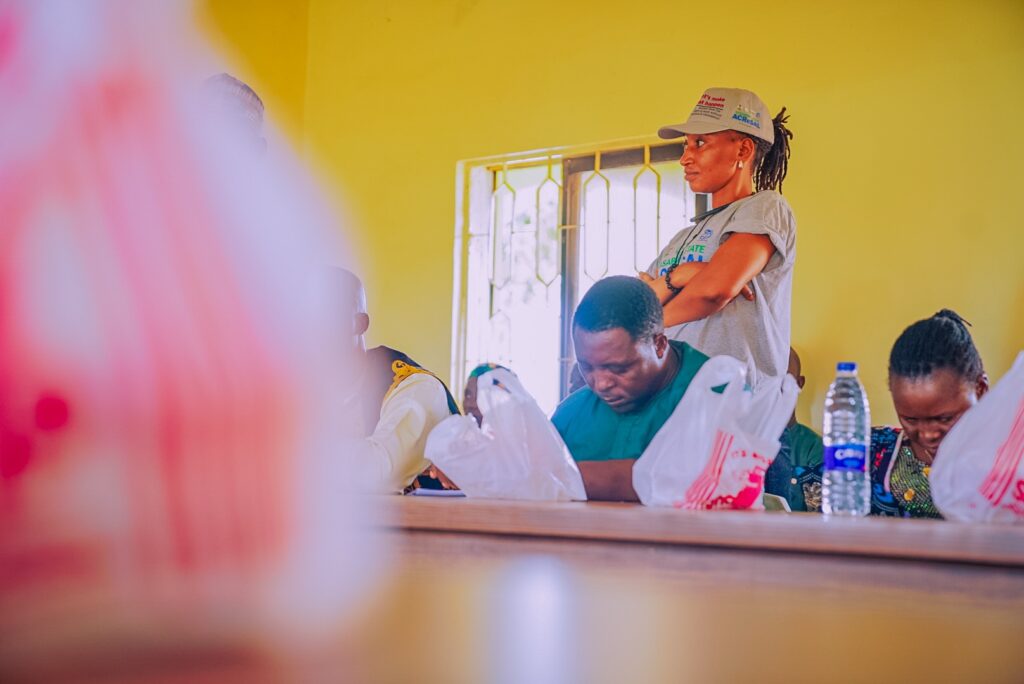
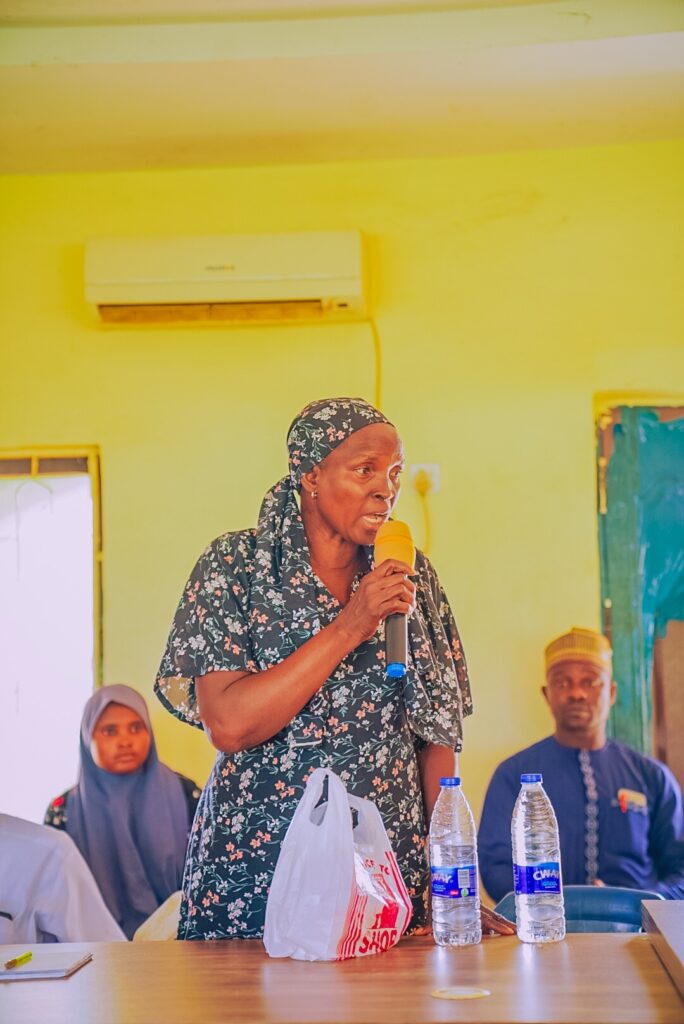
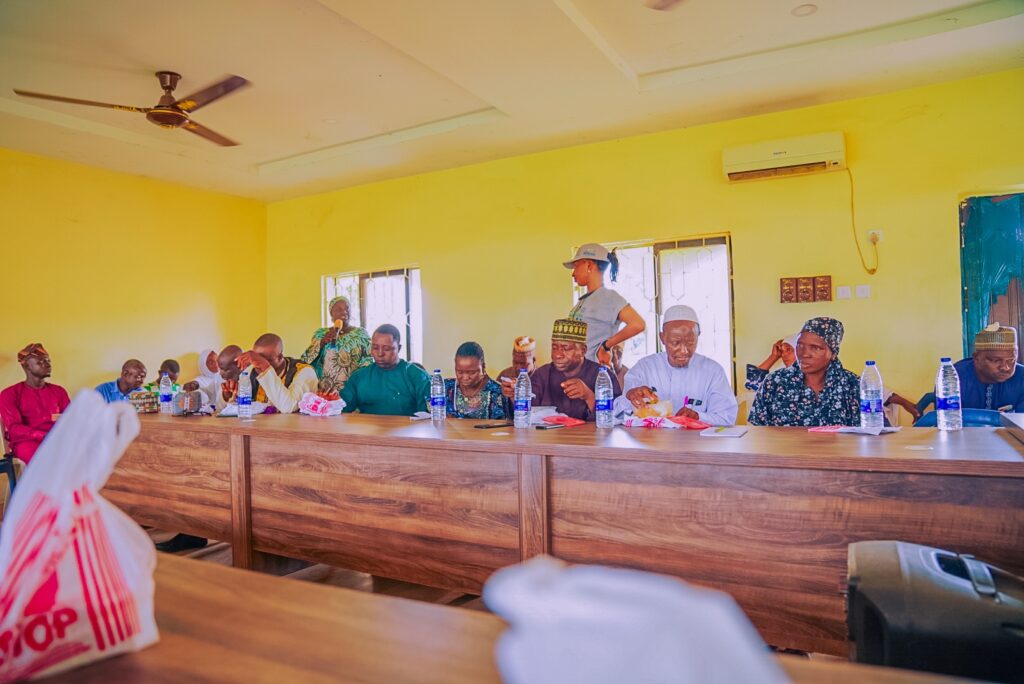
Speaking during the technical session, Mr. Abdullahi Yusuf Agwai, who also serves as the FAO Desk Officer, made a presentation on the introduction to Non-Timber Forest Products and value chain concepts. He highlighted the various types of NTFPs found across Nasarawa State and explained their economic and environmental importance to different communities. The session was highly interactive, with participants actively engaging in discussions and knowledge sharing.
Also speaking, the Natural Resource Officer, Mr. Ahmed Egaide, emphasized on sustainable harvesting, processing techniques and value addition. He exposed participants to best practices in harvesting, preservation and improved processing methods capable of increasing the market value of forest products while ensuring environmental sustainability.
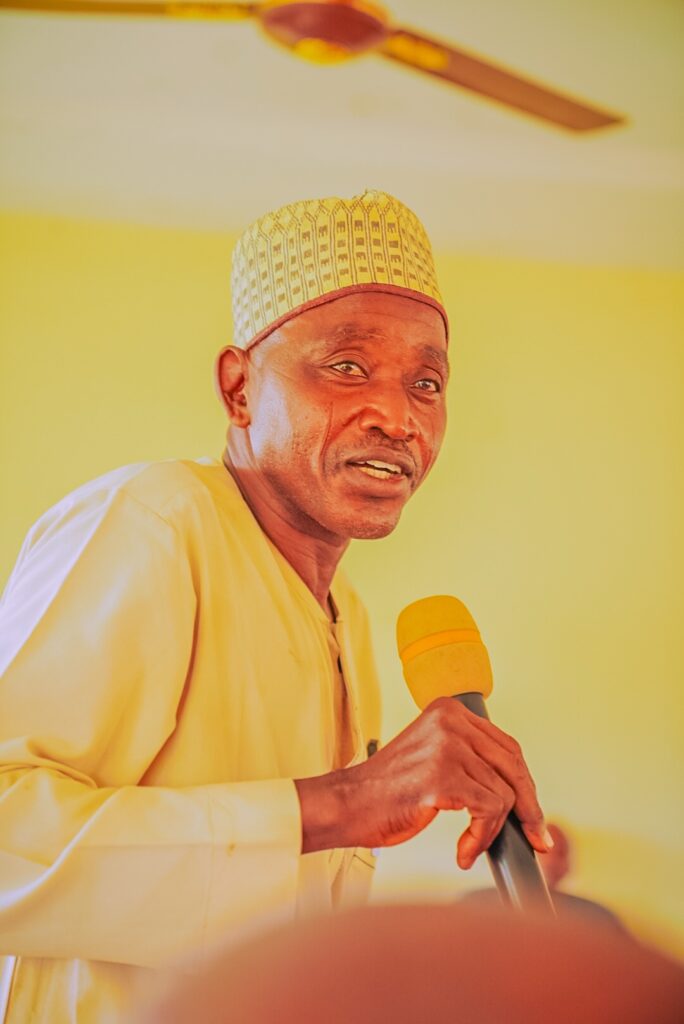
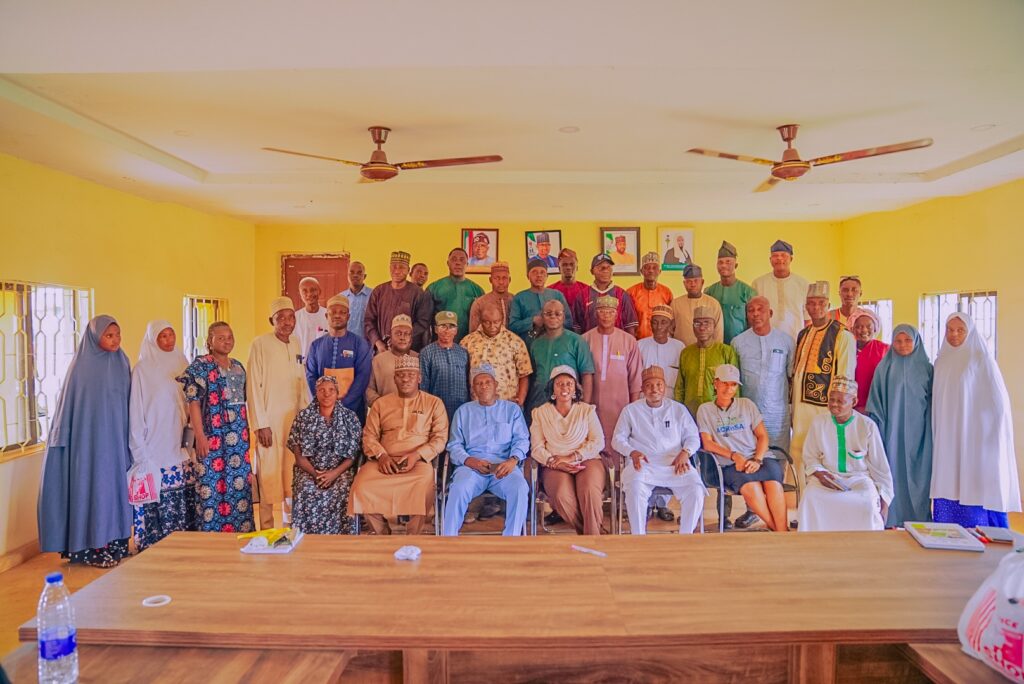
In another presentation, the project’s focal NGO, Liquid Power, through Dr. Aminu Ibrahim Abdullahi delivered an insightful session on market linkages and access strategies. Participants described the session as eye-opening, as it provided practical guidance on accessing markets, building profitable enterprises and managing non-timber forest product businesses within their communities.
In her closing remarks, Dr. Salamatu Ekpo, Director General of Liquid Power NGO appreciated the Nasarawa State Government, ACReSAL, FAO, the project team, traditional rulers, local government representatives and all participants for their commitment to the programme.

She described the initiative as a valuable opportunity for improving livelihoods and promoting sustainable community development if properly utilized. Dr. Ekpo also urged participants to replicate the knowledge gained by educating members of their various communities to ensure wider impact and accelerated grassroots development.
Communications
NS-ACReSAL
12th May,2026.