
Agro-Climatic Resilience in Semi-Arid Landscapes (ACReSAL) is a World Bank-financed project designed to tackle the pressing issues of land degradation
World Bank Urges Collective Action to Implement ACReSAL Catchment Management Plans.
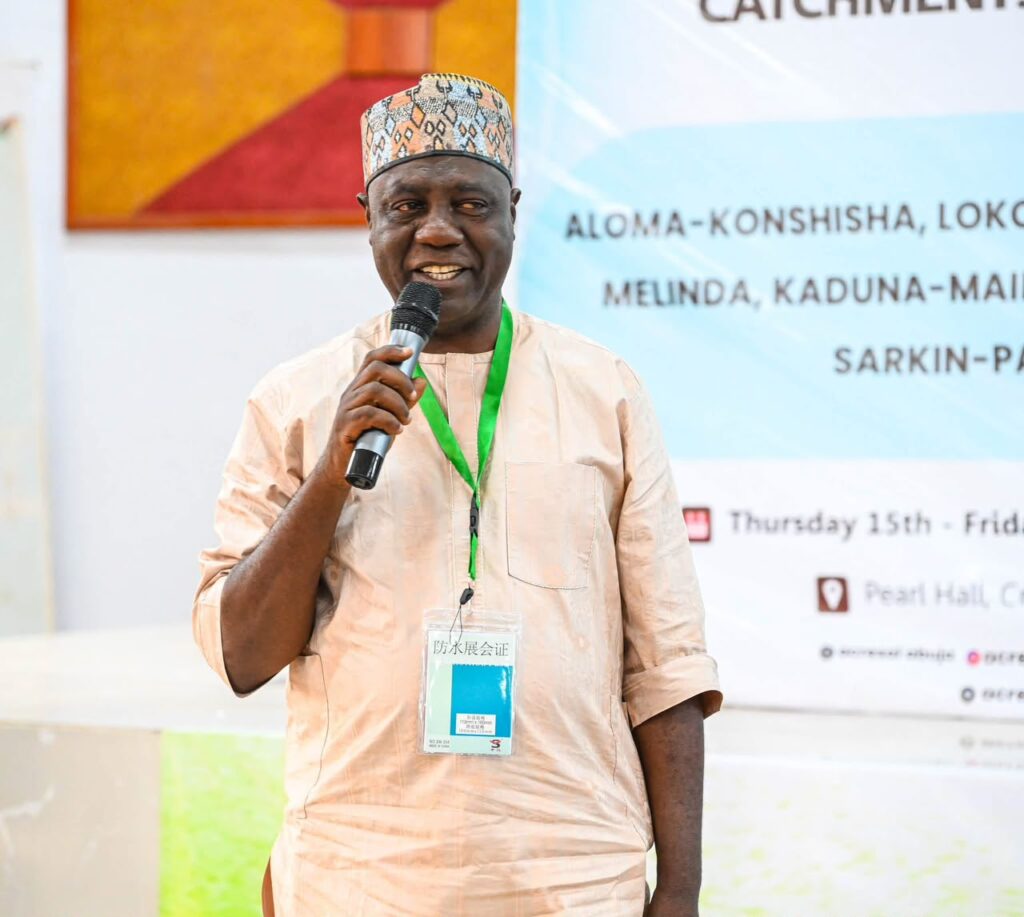
In Jos, Plateau State. The Task Team Leader(TTL) for the Agro-Climatic Resilience in Semi-Arid Landscapes (ACReSAL) Project and World Bank Senior Environment Specialist, Dr Joy Iganya Agene, has called on stakeholders across government institutions to assume collective responsibility for implementing Strategic Catchment Management Plans (SCMPs), emphasising that their successful execution is not the sole responsibility of ACReSAL.
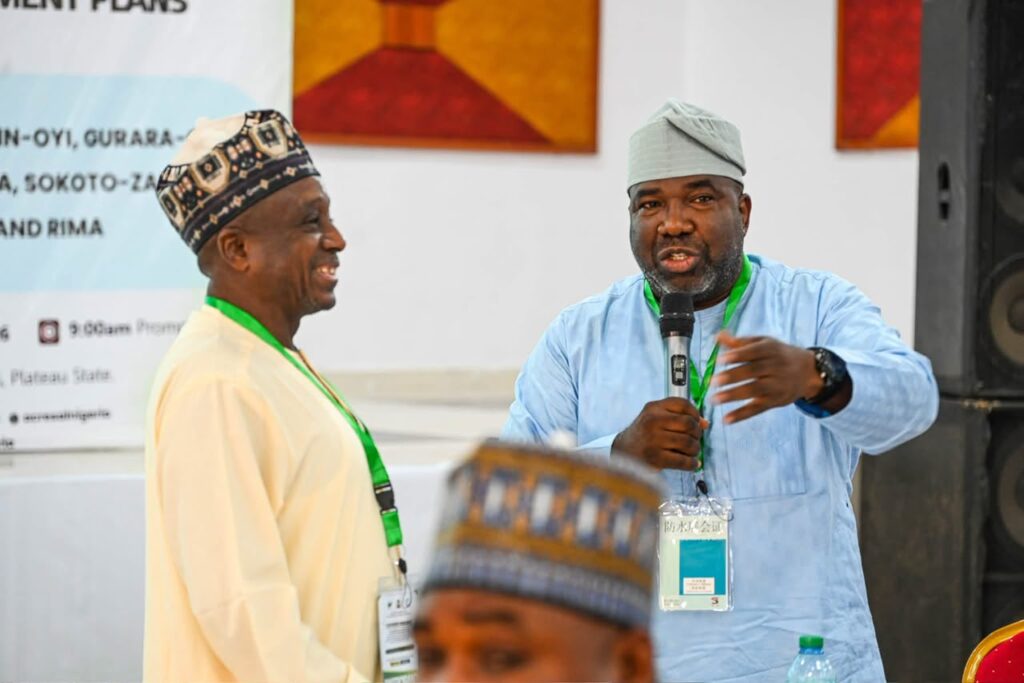
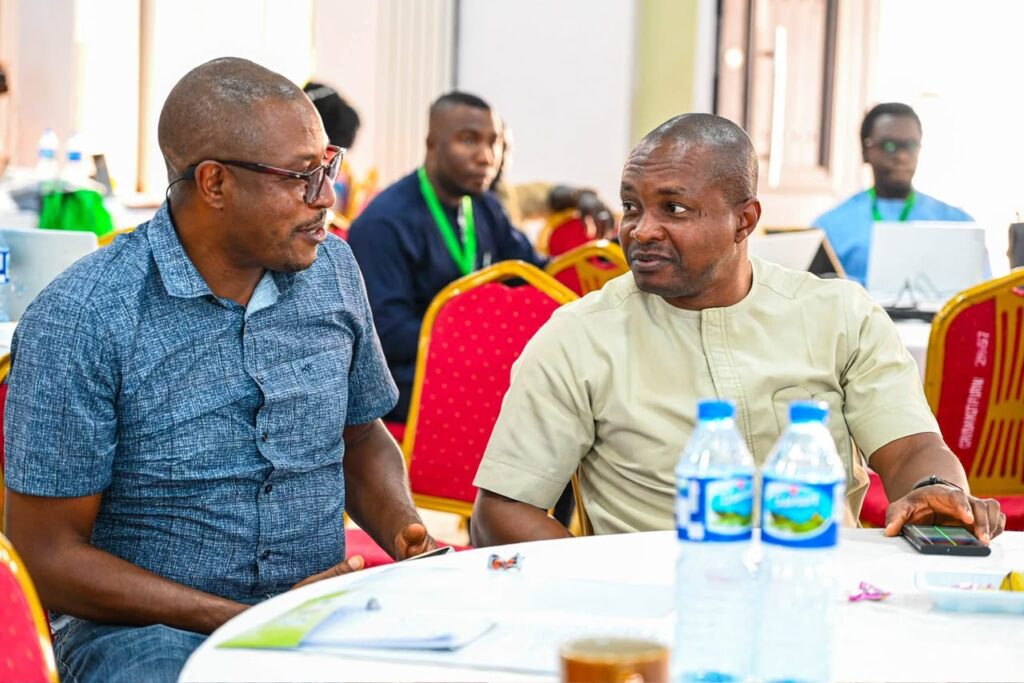
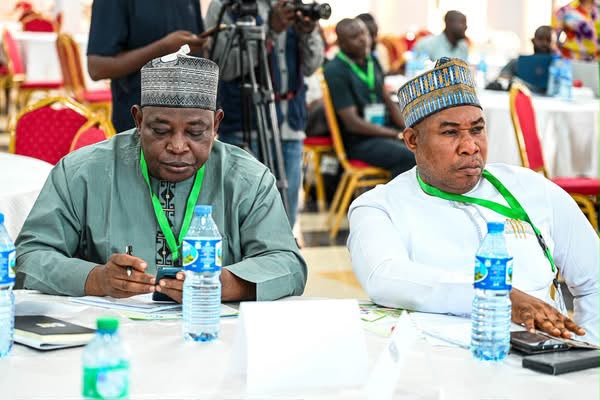
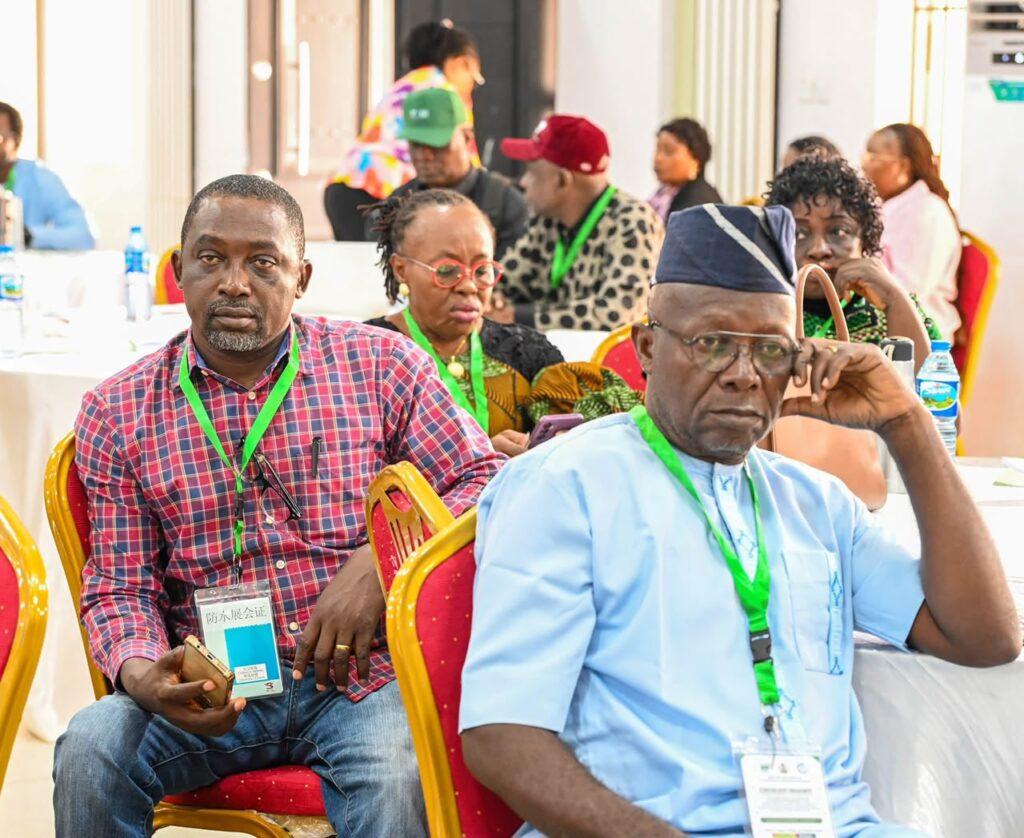
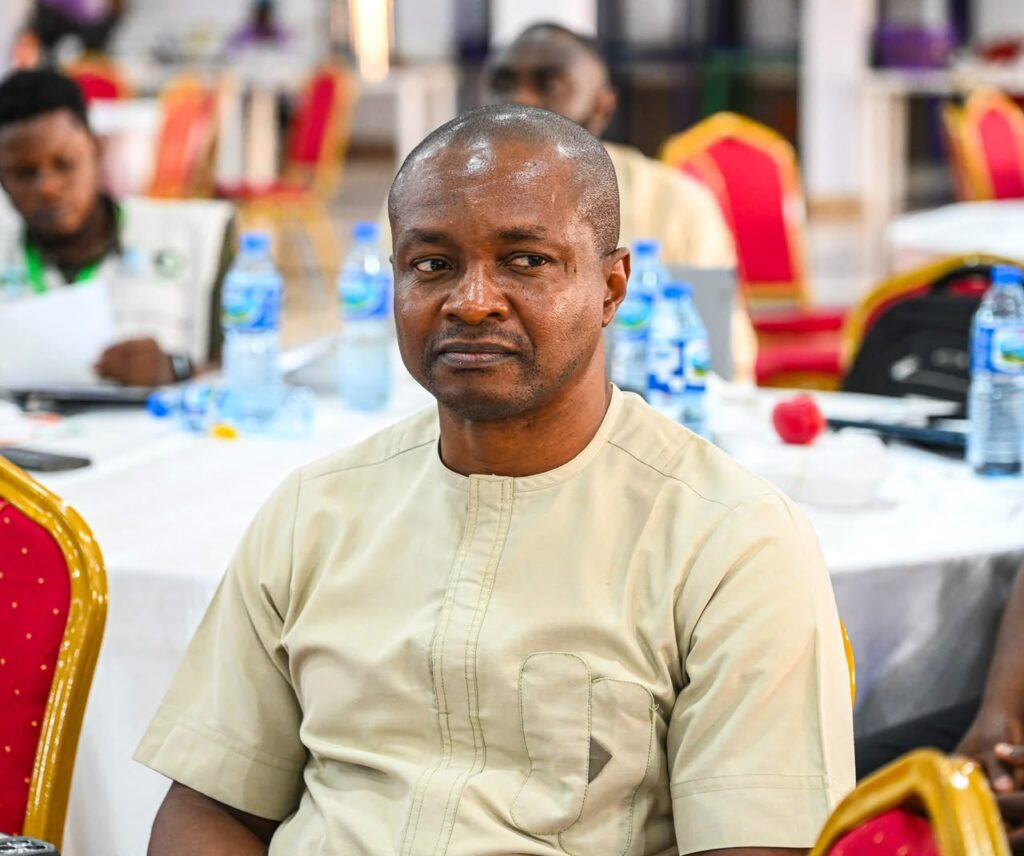
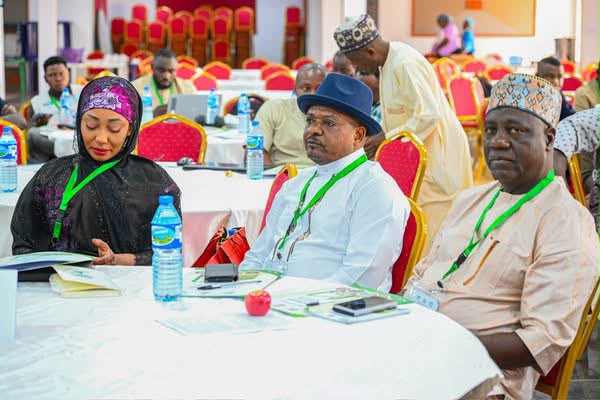
Dr Agene made the call during the opening of the stakeholders’ engagement on the accelerated implementation of 10 Strategic Catchment Management Plans which has commenced today with the Aloma-Konshisha and Lokoja-Niger Strategic Catchment held at Crispan Hotel in Jos, Plateau State.
She stressed the importance of ministries, departments and agencies, as well as state governments, integrating the plans into their policies, programmes and development activities to promote the sustainable and coordinated management of catchment areas.
According to her, the plans should serve as strategic frameworks for all spatially based activities across critical sectors, including agriculture, water resources, environment, urban planning and solid mineral resources management. She urged stakeholders to ensure that the SCMPs inform decision-making within their respective ministries and state executive councils.
Describing the SCMPs as “living documents,” Dr Agene explained that they are designed to remain relevant and responsive to evolving environmental and development realities, with reviews and updates expected every five to ten years.
She encouraged stakeholders to take ownership of their contributions to the development of the plans, describing the SCMPs as important national instruments for promoting environmental sustainability, strengthening resilience and supporting long-term development.
Dr Agene further explained that ACReSAL is fundamentally a catchment management project focused on addressing land degradation and related challenges through interventions such as physical infrastructure development, erosion and flood control and sustainable agricultural practices.
She noted that the project’s intervention framework spans multiple levels of landscape management, from strategic catchments and micro-watersheds to communities, ensuring that environmental challenges are addressed through coordinated and integrated approaches.
The 10 Strategic Catchment Management Plans undergoing validation form part of 20 SCMPs being developed by the Federal Government to strengthen sustainable landscape management and improve the coordination of development activities across catchment areas.
The successful implementation of the plans will require sustained collaboration among government institutions, development partners, communities and other relevant stakeholders. Such collaboration will be essential to translating the SCMPs from strategic frameworks into practical actions that protect natural resources, restore degraded landscapes and build climate resilience for present and future generations.
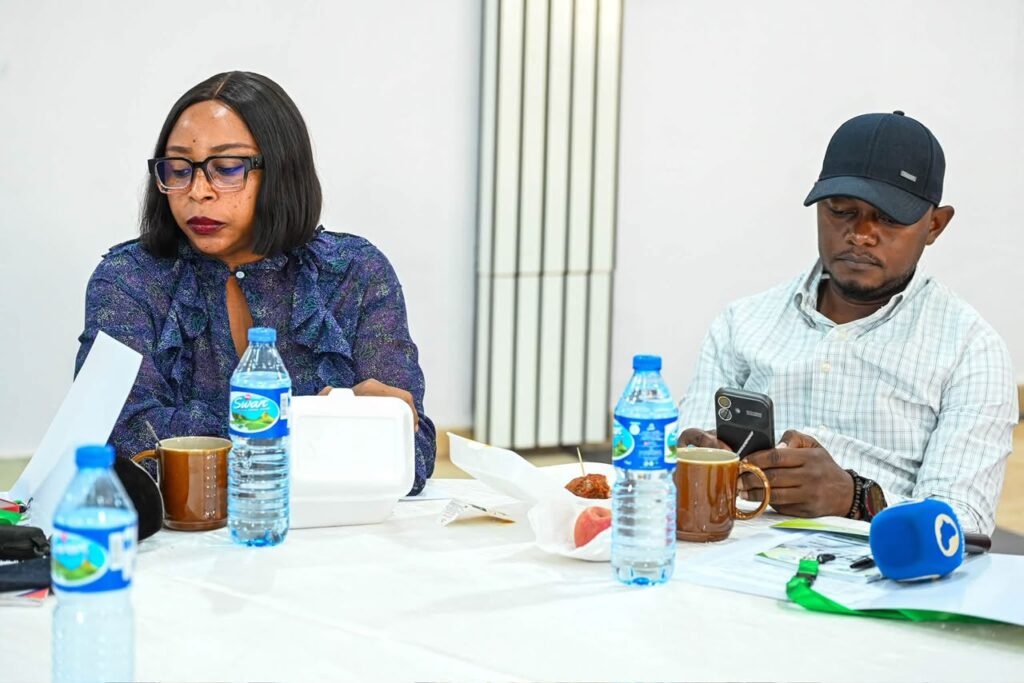
The technical session commenced with the overview and current status of the catchments led by MECON, Academia and all participating States present.
ACReSAL: Greening the Environment, Saving Lives!
Communications
NS-ACReSAL
15th October, 2026.
Newsletter

ACReSAL. Greening the Environment and saving Lives.